

Buying A Home In Florida Isn't What Most People Expect

Whether you're a retiree looking for a senior community or a young family hoping to spend a little more time at the beach when you're not working, Florida seems like an idyllic place to live. The state has 663 miles of beaches, tropical and subtropical climates (depending on the exact location), and no state income tax. What's not to love? Well ... there could be a lot. Which is why you should learn about the not-so-fun parts of living in Florida, like property taxes and climate issues, before you brush up on your moving and packing tips.
If you've already purchased a home in another state, you might assume everything will be the same when you relocate to Florida. But the region has a lot of unique characteristics that impact the home-buying process, including the climate (and all the critters and weather that come along with it) and the costs associated with living and owning a home there. As of 2026, the housing market in the state is becoming more stable, which makes it a little easier for buyers to find good options. But even if you can find an affordable home that fits your needs, you'll still face some financial challenges — higher insurance rates, for one. Termites are also a major problem, including two very invasive species, which could leave you with damage to your home (and expenses for pest control). And almost half of the state's residents live in homes governed by a homeowner's association (HOA) — that presents more expenses and other challenges.
The state's climate creates unique challenges
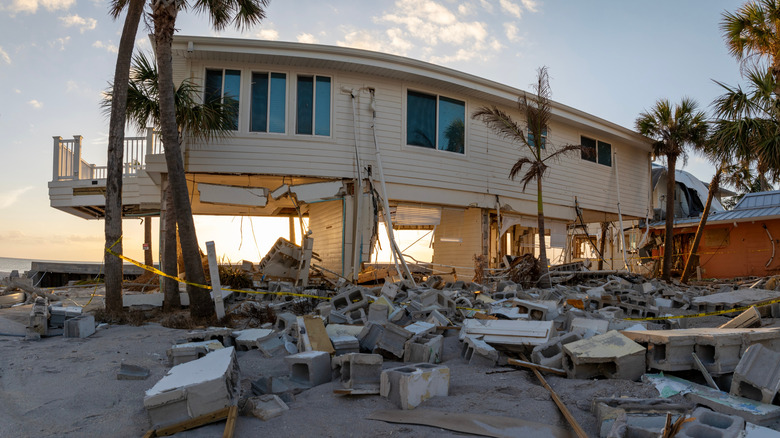
Being fully informed about the place you move to helps you avoid or at least prepare for some of the hidden costs of buying a home. You might not think about how much the climate impacts that number, but the warm Florida weather that draws you to the state can cause issues. Because of the year-round heat, Florida ranks high for pest infestations. The little critters can reproduce all year with no freezing temperatures to give you a break. That means, at best, you'll likely need some kind of pest control routine that could be costly. At worst, you could end up with a home that's full of expensive termite damage. And if you live in an area with iguanas, the reptiles could dig holes that damage your landscaping or foundation.
The mild Florida winters that you crave mean you'll be running your air conditioning more days than homeowners in cooler climates. And in the heat of the humid Florida summers, your system will work hard to keep your home temperature down. That all adds up to a lot of wear on the system. You'll likely need more tune-ups on the equipment, and it might not last as long as it would in other climates.
If you relocate to a coastal area, the salty air adds the element of corrosion to the equation. When combined with the humid Florida weather, the salt can cause HVAC equipment, window frames, roofs, hardware, and many other home structures to corrode prematurely. All of those unique Florida conditions can increase your home maintenance and repair costs.
The Florida finances are often surprising
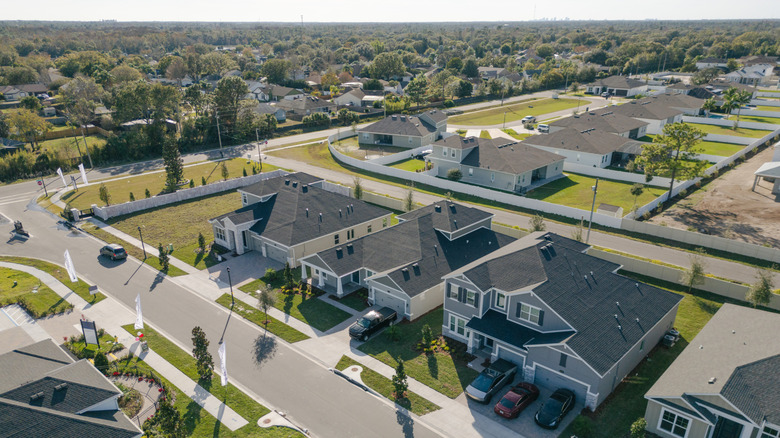
There are lots of questions to ask yourself before buying a home, many of which revolve around finances. You know you need homeowner's insurance, but the insurance market in Florida is often volatile, especially in years when the state is hit with severe hurricanes. While the rates seem to be improving due to more insurance providers and legislative changes, your Florida insurance premiums could be much higher than expected.
On top of regular homeowner's insurance, your lender may require you to buy flood insurance, especially if you live near the coast or in another flood zone. Before buying a home in Florida, verify if the areas you're considering are in flood zones. Even if you don't own a property, you'll pay more than other states for car insurance, too.
Then you might have an added monthly fee that goes to your HOA if your dream home is in such a neighborhood. HOAs are more popular in Florida than in most other states. The fees could also be higher than you're used to — seven Florida cities made the top 10 most expensive metro areas for HOA fees relative to home prices. You'll also have to abide by the rules of the HOA, which might limit what you can do to your home or require approval for any changes. But some people don't mind paying the fees because it often means access to amenities, like clubhouses and pools, and the HOA might take care of your exterior maintenance.