

The 7 Plants Gardeners Should Be Pruning Right Now In July
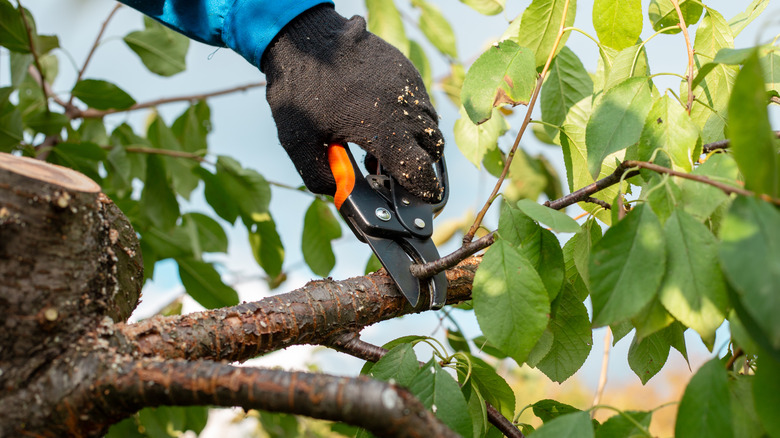
If city ordinances or the need to have a clear walking path through your garden have crushed your dreams of creating a wild, untamed landscape, you'll need to stay on top of your pruning. While there are some low-maintenance plants that don't need pruning, most plants benefit from it in some way. July may not be the month that comes to mind when you think about pruning, but there are still a few common garden plants that should be pruned during this time, including cherry trees, mock oranges, and catmint.
Pruning can help keep your plants from growing too wild, but there are other benefits as well. If you have hot, muggy summers, then the improved air flow shrubs and trees get after pruning can reduce the risk of fungal infections. Some summer-blooming flowers will rebloom after a July pruning, allowing you to extend the blooming season and keep your garden colorful for a few extra months. For some plants it's less about the benefits that come with July prunings and more about the risks they face if pruned in other seasons. Some trees are prone to bleeding sap if pruned in spring or winter.
While the reason for pruning your plants in July may vary, there is one key detail that stays the same. Prune your plants in the early morning, not in the afternoon. It may be inconvenient to get up early and head out with your shears, but the heat of the afternoon can add extra stress to your plant. Since pruning is already stressful for plants, adding extra stresses can weaken them. The afternoon heat isn't good for you, either. Heat exhaustion, heat stroke, and sun poisoning are no joke, so do your pruning before the sun gets too intense!
Deutzia
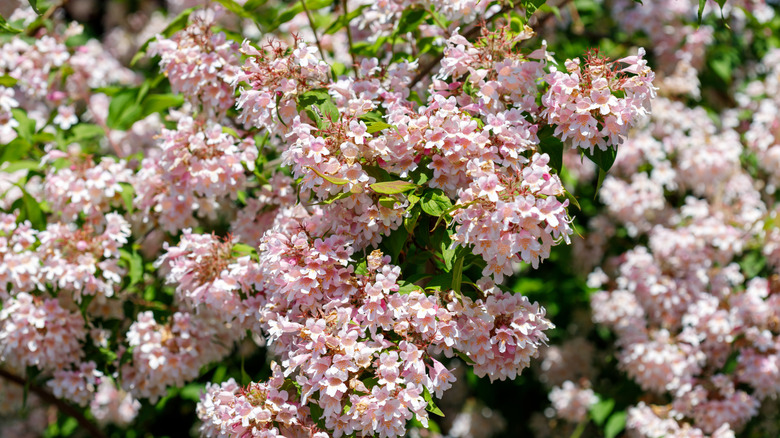
Deutzia (Deutzia spp.) is a genus of flowering trees or shrubs that bloom in lovely shades of pink and white and are generally hardy in zones 5 through 8. They bloom on the branches grown the previous year, so you can remove the branches that flowered this year once the flowers fade. Deutzia blooms from late spring through early summer. Depending on when your deutzia stops blooming, you may be able to prune earlier than July. However, July is also a good time to take cuttings for propagation, so you can put your freshly pruned branches to good use.
Wisteria
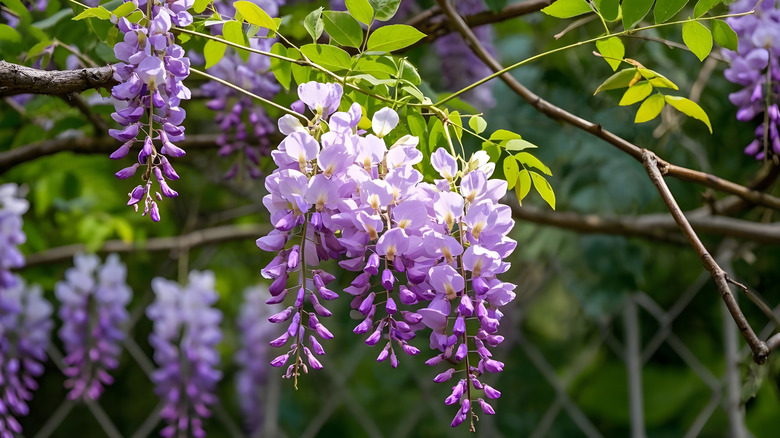
Known for their gorgeous purple flowers and vigorous growth, wisteria (Wisteria spp.) actually thrives when pruned twice each year. Heavy pruning in winter keeps your wisteria plant healthy, but a lighter pruning in July helps it stay in check. Wisteria spreads aggressively, so cutting new growth back each July after they finish blooming helps prevent it from climbing too far. Wisteria is generally hardy in zones 5 through 9, and there are both native and invasive species of wisteria; focus on planting native species like American Wisteria (Wisteria frutescens).
Mock orange
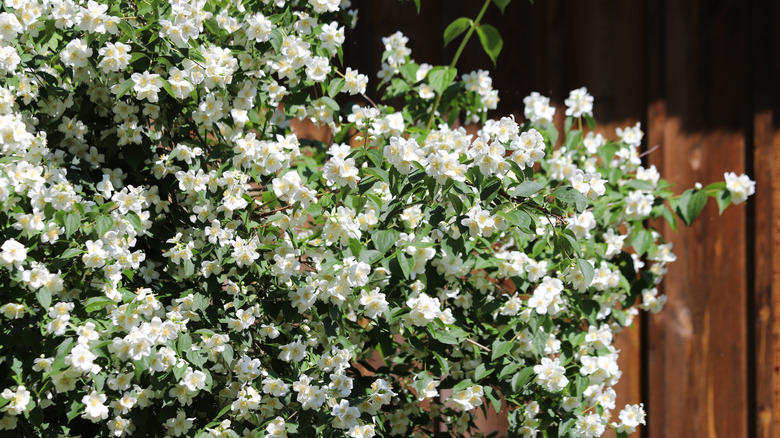
Mock orange trees (Philadelphus spp.), which are generally hardy in zones 3 through 8, should also be pruned once they finish blooming. However, different species of mock orange have different bloom times. Lewis's mock orange (Philadelphus lewisii), can continue blooming into July, and it should not be pruned later than July. Do note that Appalachian mock orange (Philadelphus inodorus) typically ends its bloom season in May, so you might not want to wait for July to prune it.
Rambling roses
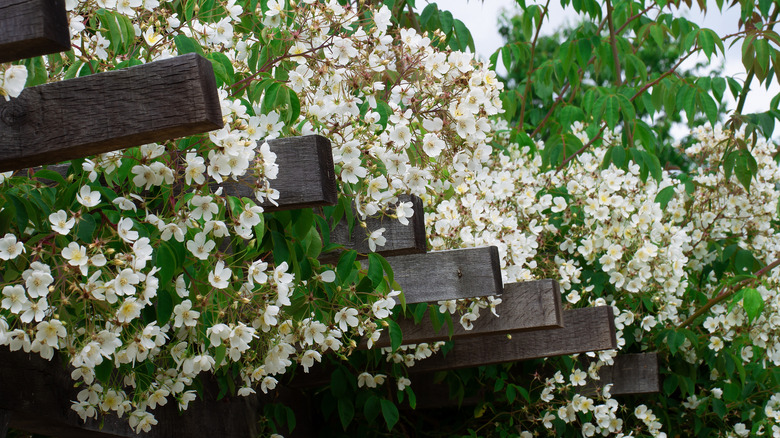
There are many types of roses with different pruning needs, but rambling roses (Rosa spp.) can be pruned in July. They grow in long, sturdy canes similarly to a climbing rose. However, rambling roses only bloom once, and they can be pruned once they're finished blooming. They generally bloom from June into July, making mid to late July a great goalpost for pruning. You can cut the oldest canes down to a few inches above the ground, leaving younger ones to grow up in their place. Rambling roses are generally hardy from zone 4 through zone 9. However, do note they are invasive and planting them is not advised.
Sweet cherries
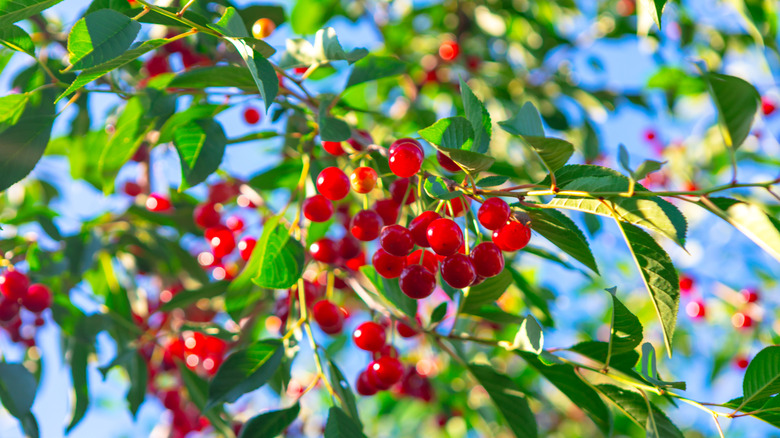
Sweet cherry trees (Prunus avium) are often grown for their beautiful flowers and tasty fruits. They're hardy enough to survive the winters in zones 3 through 8, but they cannot be pruned during winter. Sweet cherries are susceptible to fungal infections when pruned during wet, cold weather, so it's best to prune them during the hot, dry summer. However, you can't prune them before the fruit has been harvested, or else you'll be pruning away your harvest. This makes late July to early August the ideal time for pruning your sweet cherries. Do note that it is invasive in some states, such as North Virginia and parts of Maryland.
Catmint
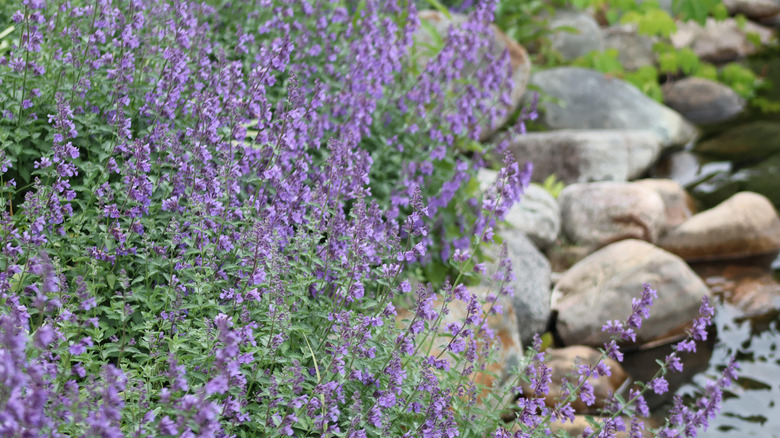
If your herb garden has some catmint (Nepeta spp.), then you'll certainly want to know when and how to cut back catmint. Whether you're trying to attract pollinators or cats, you'll be happy to know that a July pruning can extend the blooming season. This is when the first flowers are starting to fade, and your catmint may be looking a bit limp and scraggly. Cut most of it back, leaving just a bit of foliage to help it regrow, for a few more months of blooming with a tidier-looking plant. Catmint is hardy in zones 3 through 8.
Apricots
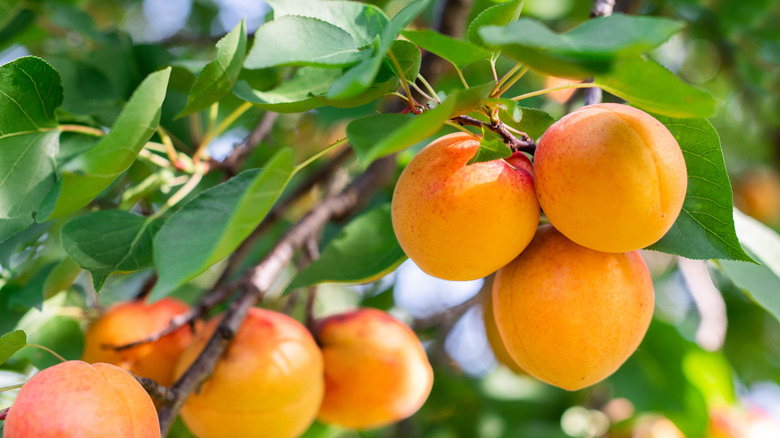
Similar to their cousins the sweet cherries, apricot trees (Prunus armeniaca) are at risk of fungal infections if the weather is too wet when they're pruned. Summer overall is a better time to prune them, since it tends to be drier. However, apricot trees can be grown in a variety of states, as they're hardy in zones 5 through 7, and precipitation can vary from state to state. August is typically considered the last possible month to prune your apricot tree, so get your pruning done in July to avoid leaving it until the last minute.