

Forget Mulch: The Natural Landscaping Trend That Cuts Down On Weeding And Mowing
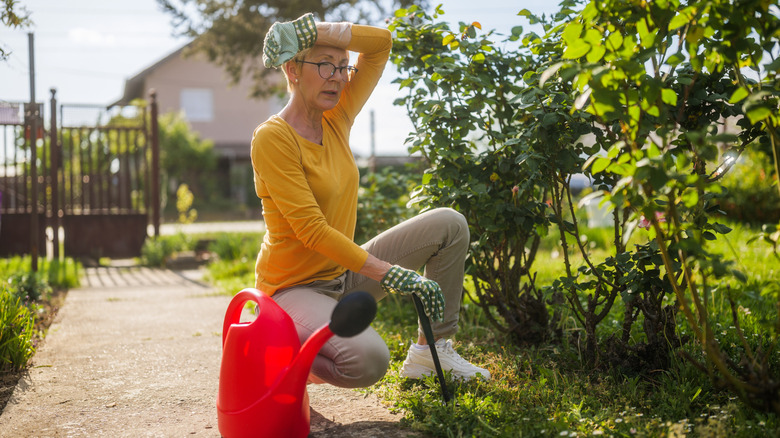
According to landscaping and horticultural experts, natural hardscaping materials like gravel and stone are becoming more popular as homeowners say goodbye to traditional mulch. Whether you haul heavy bags home from the store yourself or spend a small fortune on bulk delivery, mulching can be a major hassle. Refreshing it year after year can become both expensive and time-consuming, too. As a result, some homeowners are exploring lower-maintenance natural alternatives, which may help cut down on weeding, mowing, and watering.
"Homeowners are focusing on features that provide long-term value and low maintenance, like durable natural materials, efficient irrigation, and multi-functional outdoor spaces," designer Tyler Bigham told the National Association of Landscape Professionals. Although hardscaping materials are more expensive than mulch up front, stone lasts a lifetime and doesn't need to be refreshed annually, making it more economical over time. This means that natural hardscape materials like gravel, cut stone, and decomposed granite will last year after year with relatively little maintenance.
Stone landscapes can be lower upkeep (but they aren't maintenance-free!)
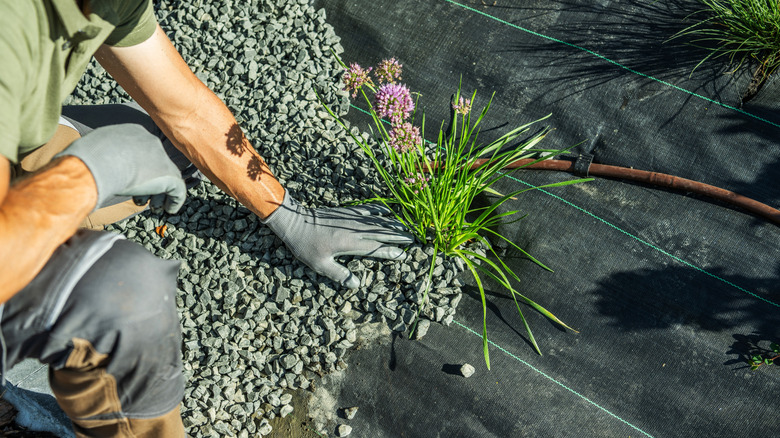
Stone landscaping takes more upfront effort and investment to install than spreading out a bag of mulch. However, when paired with the right base material and properly maintained, gravel and other hardscaping options create permanent surfaces that reduce the amount of exposed soil where weeds can take over. Stone features like patios or pathways can also replace large areas of lawn, which means you'll have less grass to mow or fertilize.
Along with dry creek beds, flagstone patios, and slab stone retaining walls, gardening experts around the globe are embracing gravel gardens, finding that stone is an eco-friendly choice that works just as well for garden features and flowerbeds as it does for footpaths. "Gravel gardens are favored because they conserve water, reduce maintenance, resist erosion on slopes, support pollinators, and create clean, contemporary lines in the landscape," landscape designer Jim Stucchi said in a recent interview with Real Simple.
That said, stone isn't a completely maintenance-free solution. Fallen leaves and other debris will accumulate over time, and the occasional weed will still pop up. Gravel will also need to be smoothed out and refreshed every few years. On top of that, larger rocks can shift or crack during extreme weather.
Why more homeowners are embracing stone (and how to use it in your yard)
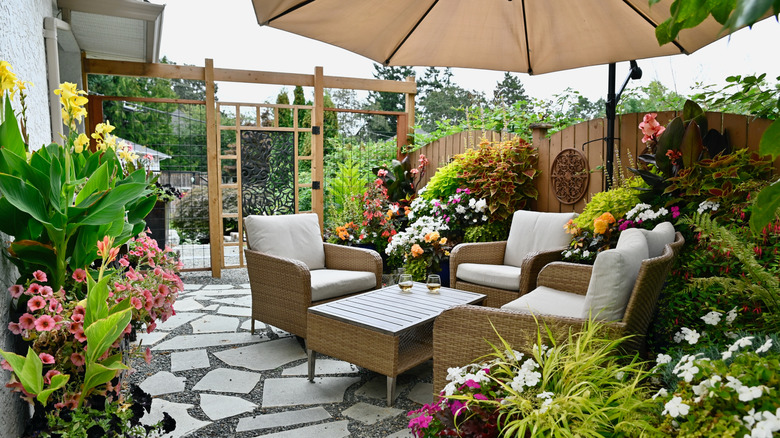
The rise of stone landscaping reflects a bigger change in how homeowners are designing and using their outdoor spaces. More Americans are ditching endlessly manicured lawns and dyed mulches in favor of naturalistic landscaping that prioritizes lower upkeep, water conservation, and improved functionality throughout the year. Replacing every blade of grass with gravel or mulch path with stepping stones isn't the right choice for everyone, but incorporating some hardscaping elements like stone can create more intentional spaces. "For people interested in gardening, a lot have come to the realization it can't just be ornamental anymore ... It's a shift in thought, in aesthetics," University of Georgia Extension agent Alicia Holloway explained to PBS.
Whether you're considering replacing mulched areas with stone to create a more drought-tolerant landscape or you're just sick of weeding every weekend, the right material depends on your maintenance goals and how you want to use the space. Gravel and decomposed granite are among the best materials for garden paths. River rock can soften edges while helping to manage drainage. Meanwhile, larger stones are better suited for stepping stones, patios, and retaining walls. Before making the switch from mulch to stone, consider your budget, existing drainage, and the amount of foot traffic the area receives.