

Ditch Curtains: 6 Alternative Window Treatment Trends Taking Over 2026 (So Far)
We may receive a commission on purchases made from links.
Curtains aren't going anywhere, but they're not the only answer when it comes to dressing up windows. They're often seen as the default, but you might be in search of other window treatment ideas to try if you're over basic curtains. There are plenty of alternative options, including many that are highly trending, ideal if you like to lean into what's fashionable. From Roman shades to layered options, we've rounded up six curtain alternatives making an impact this year, and what makes each one worth considering.
In 2026, window treatments are leaning more intentional, layered, and organic. They're not an afterthought, and nor are they purely practical. In an era of more personalized interiors, window treatments form part of the big picture of design. Homeowners and renters are exploring alternatives that offer more character, texture, and visual impact than plain fabric panels. Whether you're renovating your whole home or just refreshing a room, these trending window treatments prove there's more than one stylish way to frame a view.
Roman shades
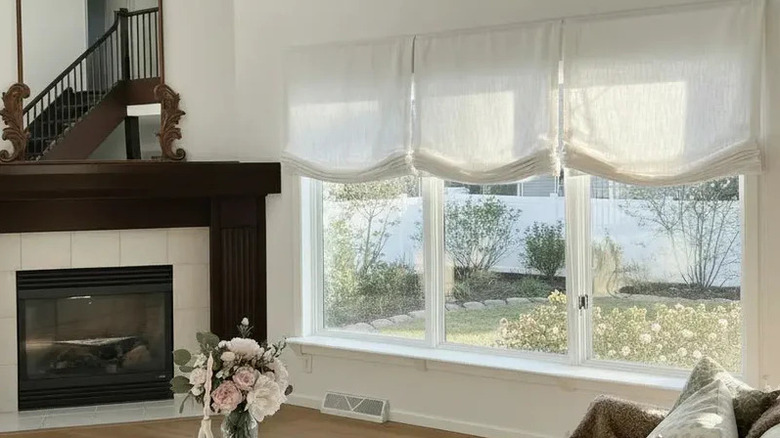
Roman shades have taken TikTok by storm, with tens of thousands of videos tagged with #romanblinds and #romanshades. Plus, videos on how to DIY your own Roman shades have garnered hundreds of thousands of likes. According to Apartment Therapy, over ⅓ of designers polled for their 2026 The State of Home Design report agreed that the relaxed version of Roman shades would be the next big thing in window design. These shades are elegant and bring the softness of a fabric covering, but also have some structure since they're a shade. Design options are plentiful, in a range of materials, colors, and patterns. Even no-drill Roman shades like the LazBlinds No Tools Cordless Roman Shades are popping up for renters who want to jump on the trend.
Bamboo and wood window treatments
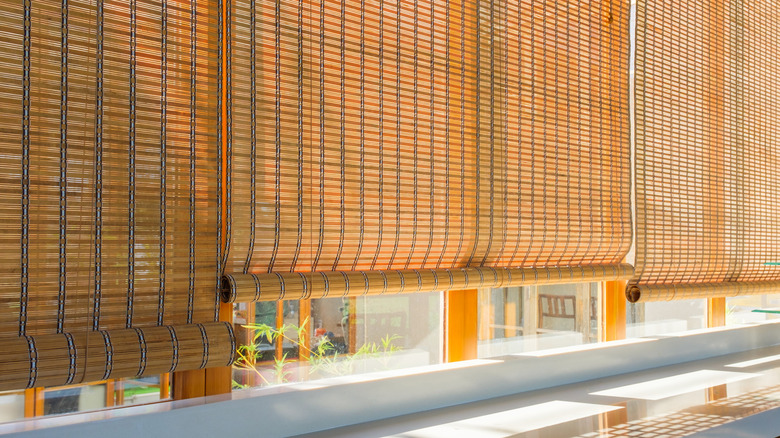
Wood and bamboo have a certain warmth that makes them perfect for cozy spaces. If you want a softer vibe sans curtains, treatments made of these natural materials can be a good choice. In an interview with Livingetc, interior designers Jen and Mar explain, "We are seeing bamboo blinds being used more often these days as they offer a ton of texture and a warm, natural look to any space... Light diffuses nicely through them as well, whereas traditional roller blinds can look just that, too traditional." If you're not totally sold on bamboo or just want more options to browse, wood blinds can bring many of the same elements of organic texture and color.
Statement drapery
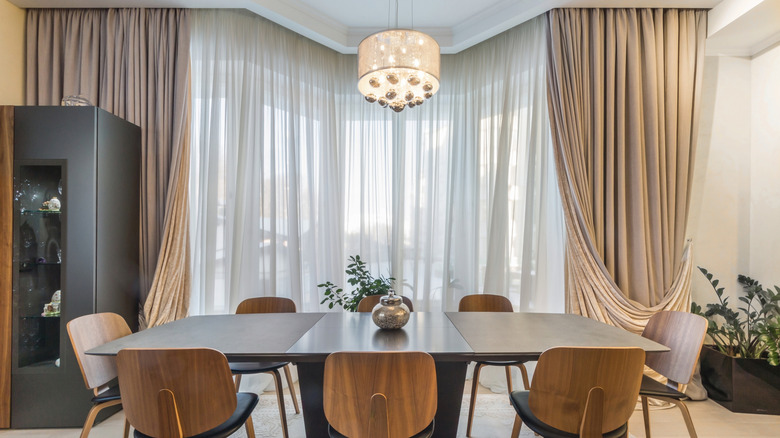
The terms "curtains" and "drapes" are often used interchangeably, but there are some differences between the two. Curtains tend to refer to lighter coverings that are often unlined, while drapes are thicker, more substantial, and usually lined. Flimsy curtains can sometimes feel like an afterthought, while dramatic drapes almost always feel intentional. They're an eye-catching choice for making spaces feel more luxurious and sumptuous. As principal designer Elizabeth Ryan tells Southern Living, "After years of being surrounded by light, airy, and neutral spaces, homeowners are really leaning into saturation, comfort, and a little drama ... Southern style happily celebrates abundance, so a movement to get expressive with drapery is right at home." If typical curtains actually feel too light, short, and casual for your space, traditional drapes are a heavier, more opulent alternative.
Automated shades
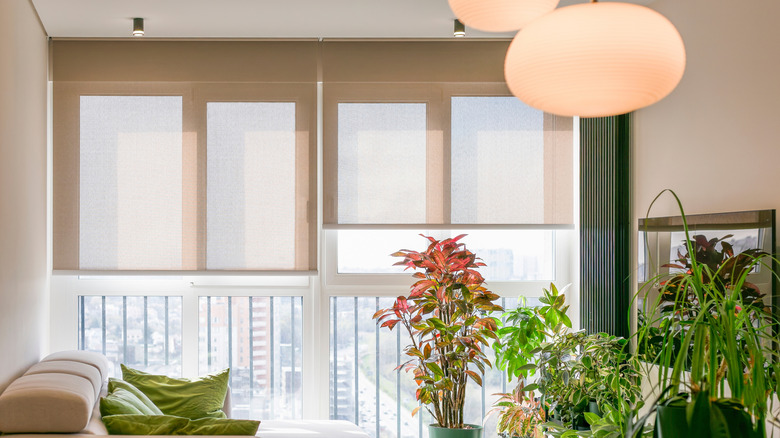
The uptake of smart shades isn't predicted to slow down anytime soon. According to a report by Strategic Market Research, the automated blinds market value is expected to increase by over 9% by 2030. Interior designer Artem Kropovinsky explained some factors behind their popularity to Better Homes & Gardens, saying, "Smart blinds are considered a premium feature, adding not only monetary value but also a contemporary allure to your home. They're an asset that symbolizes luxury, innovation, and a commitment to eco-friendly living." Smart shades usually come in some type of vertical shade (like a roller shade), though other options are available. In a shade form, they often have a sleeker look than traditional curtains and, more importantly, offer a bevy of appealing features like remote control, automation, and scheduling.
Layering window treatments
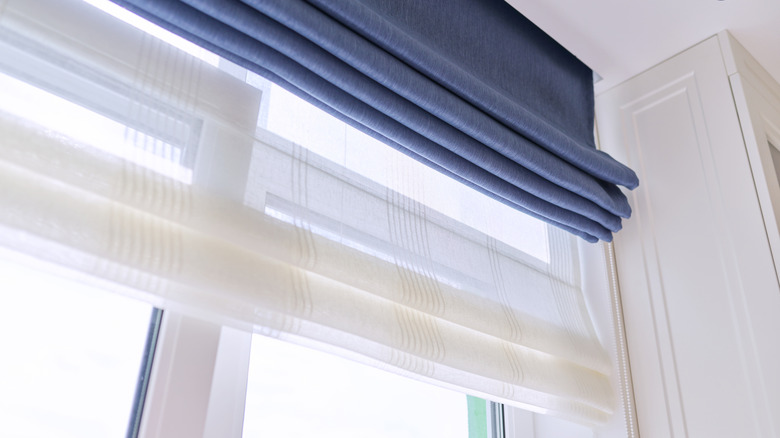
Layering window treatments isn't a new idea, but lately, it's a popular one. Curtain maker Pat Giddens told Homes & Gardens, "Double-dressed windows are hugely popular right now, with layering taking center stage for 2026." Layering is a popular idea across interior design to create more personalized, dimensional spaces, and that applies to window treatments, too. Beyond the visual depth it offers, layering coverings can also be a very practical choice, giving you better control over light, privacy, energy efficiency, and aesthetics. Often, layered window treatments involve curtains (they can be very pretty, after all), but you can utilize some curtainless combinations like decorative Roman shades over insulating cellular blinds, stylish shutters over blackout shades, or even dual-layer roller or Roman shades that offer a separate sheer and blackout layer.
Use valances or cornices
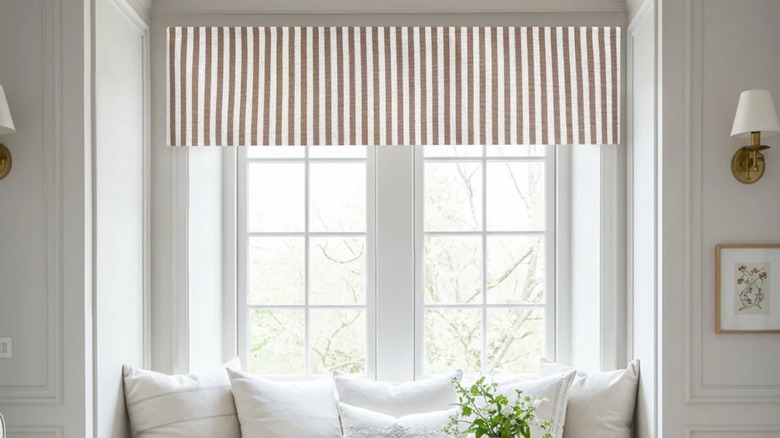
A relic of times past, you might even wonder, what is a valance or a cornice? These adornments sit right at the top of a window to decorate the area and hide hardware. According to Yelp's 2026 Summer Home Trends report, the site's project requests for installing valances and cornices have increased 100% (even more than Yelp searches for Roman shades, which are up 70%). Paired with other window treatments, valances and cornices can offer a sense of grandeur. Or, you can install them on their own to slightly embellish a window. In any case, they're great for a traditional-inspired decorative touch.