

15 Unexpected Things You Can Clean With Laundry Detergent (Who Knew It Was So Useful?)
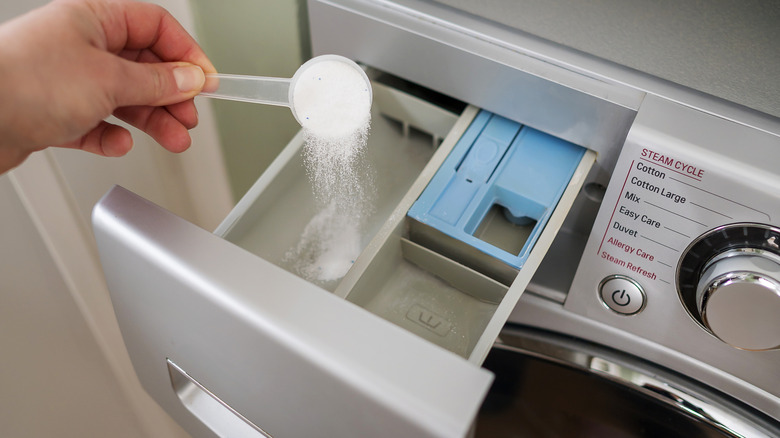
Although Frodo (from "The Lord of the Rings") had to bid his peace-filled life in the Shire goodbye, he wouldn't have realized his true potential had he not diverted from the scholarly path laid out in front of him. Somewhat similarly, you won't realize what your humble laundry detergent is capable of until you use it to clean unexpected things around your house. For instance, you can use it to remove stains from your carpets and upholstery, enjoy a sparkling bathtub, and get rid of clogged drains.
Wondering how your simple detergent can prove effective in these scenarios? This is due to the presence of surfactants. Their primary role is to loosen up dirt and eliminate stains from fibers, keeping your laundry spotless. Due to this, it doubles as a cleaning agent and can be used to clean various indoor and outdoor items. That being said, there are a few caveats when using it for cleaning things that aren't clothes. For starters, it's not fit for certain surfaces, like marble and granite, and can negatively impact sealants or dull their natural sheen. You also don't want to use it on hardwood or unfinished wood pieces. It might even leave behind streaks on your mirrors and windows. Moreover, only use powdered and liquid detergent for tidying up your house. Never tear open pods, even if you're in a bind. It's because they're more concentrated than regular detergents, and can harm your skin, eyes, and mouth upon contact.
Food and other minor stains on your sofas and chairs
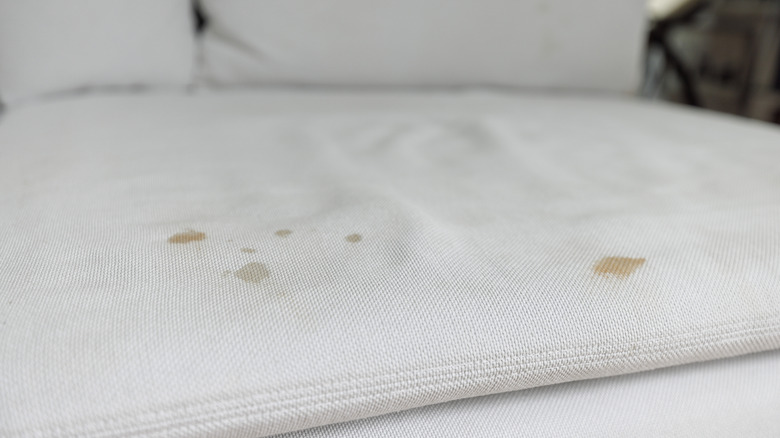
If you accidentally spilled some spaghetti on your favorite chair or your pet had an accident on the sofa, use a mild laundry detergent to get it out. Simply add 1 tablespoon of detergent (preferably liquid) to a cup of lukewarm water. Dip a clean and white (dark colors might bleed) microfiber cloth in the cleaning solution and use it to blot the stains marring your upholstery. Leave it for a few minutes before dampening another cloth in water and dabbing the residual detergent out. Don't forget to read your couch's care label and test the solution in a hidden area first.
Carpet and rug stains
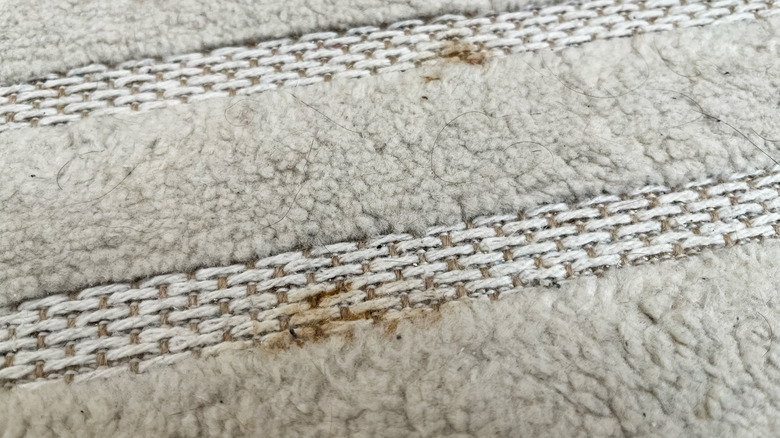
A mild laundry detergent can help eliminate your carpet and rug stains, too. If the stain is wet, dab it with a clean and dry white cloth to absorb the excess immediately. In case it has set in, dampen a cloth using cold water and blot the spot from the outside-in. Then, combine ½ cap of liquid laundry detergent (can be enzymatic or mild) with 1 gallon of cold water. Dunk a sponge or cloth in this solution and use it to gently blot out the stains. Once it lightens, clean the residual solution with a damp cloth.
Outdoor furniture
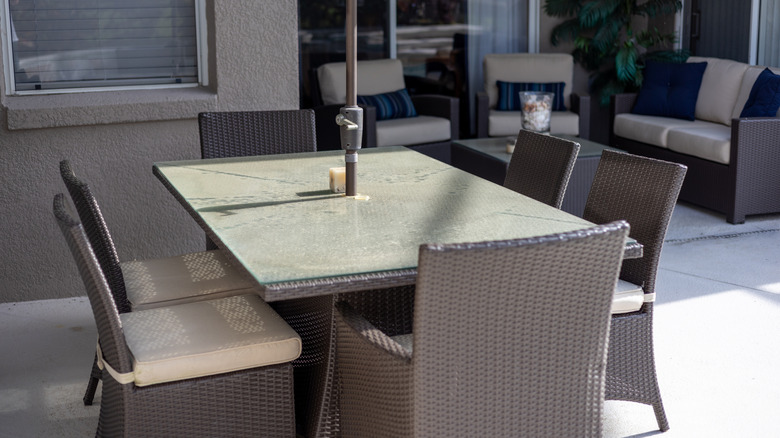
If your outdoor furniture is looking dirty or moldy, liquid laundry detergent can prove useful for resin, plastic, all-weather wicker, and powder-coated metal pieces. Put in ¼ cup of detergent in 1 gallon of warm water and mix it thoroughly prior to dipping a bristled brush in the solution and cleaning your furniture. In case it's too dirty, allow the solution to sit for a few minutes on the dusty surfaces and then scrub it well. Finally, rinse the pieces with water and allow them to air dry. You can use laundry detergent to clean outdoor cushions, too.
Stains and dirt marring your driveway and concrete surfaces
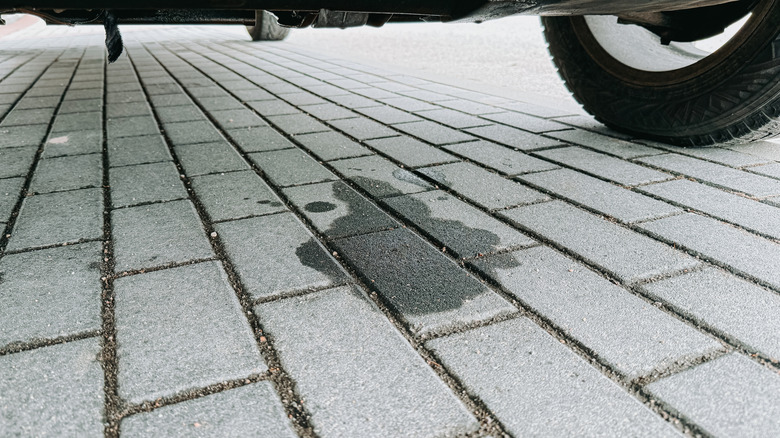
Oil stains, puddles left behind after rainstorms, and general wear and tear can make your driveway and concrete patio or porch to start looking unsightly. To turn them pristine once again, sweep the area to get rid of surface-level dust. Now, target the stains by pouring a smidge of liquid laundry detergent on them and letting it sit for about 20 minutes. If you have the powdered form at home, drop a pinch onto the stain and mix it with some warm water. Once the time is up, scrub the surface well before rinsing it. However, avoid using detergent on colored or stamped concrete.
Plastic and stuffed children's toys

Kids have a nasty habit of chewing on their toys. And even when they outgrow this, they might eat their food without washing their hands after riding their bike, playing on the swing, preparing tea in their outdoor kitchen, or building their Lego castle. So, to avoid cross-contamination, soak their brittle, plastic toys in a detergent and water solution for a few minutes before scrubbing and rinsing them. You can even dip a gentle-bristled toothbrush in this detergent and water solution to spot clean their stuffed toys. Go over the wet areas with a damp cloth and set them aside to dry.
Dog toys

Just like you shouldn't let your children play with dirty toys, wash your pet dog's toys regularly, too. Their rubber, silicone, and plastic games merely require a soak in a water-detergent mix. As for their fabric and plush toys, you should be able to wash most in a washing machine with a bit of detergent. Either way, rinse them well since residual detergent or its suds can be harmful for your beloved pets. Going forward, try washing your dog's toys at least weekly to keep them from getting too sticky and dirty.
Grimy bathtubs
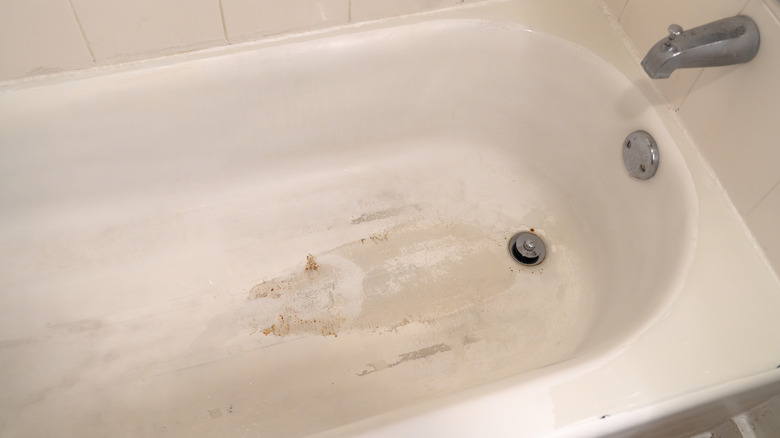
You may enjoy relaxing soaks with a glass of wine and some good music or audiobook to unwind after a long day. But you'll have to delay all such plans if your bathtub spots soap scum and appears dirty yellow all over. In these circumstances, combine a little detergent with water to create a cleaning paste and use it to get rid of the built-up soap residue, sweat, oil, and dead skin cells. The results will be even better with a bio-based detergent. That being said, don't expect your laundry detergent to eliminate germs or mold spores.
Blocked drains
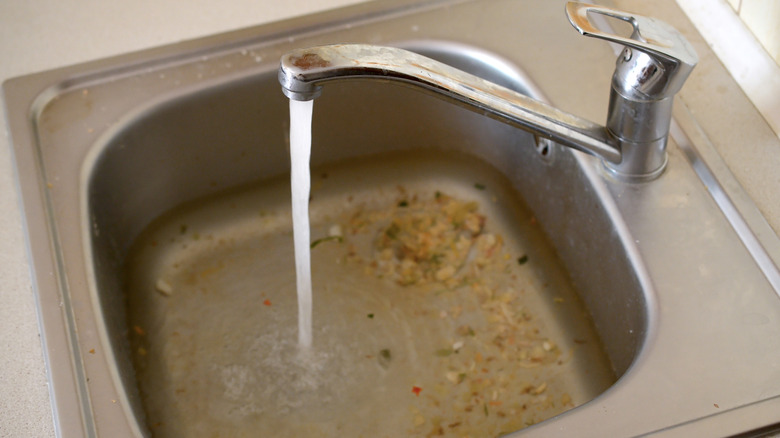
Spending hours dealing with a clogged sink or shower drain is no one's idea of a good time. For a quick resolution, measure out ¼ cup of liquid laundry detergent and throw it down the blocked sink or drain. Then, give it 15 to 20 minutes to work and clear out the blockage. In the meanwhile, boil a pot of water and, once the time is up, pour it down the drain to unclog it. You can follow a similar process to clear out minor blockages in the toilet prior to breaking out your drain snake or auger.
Mucky grout
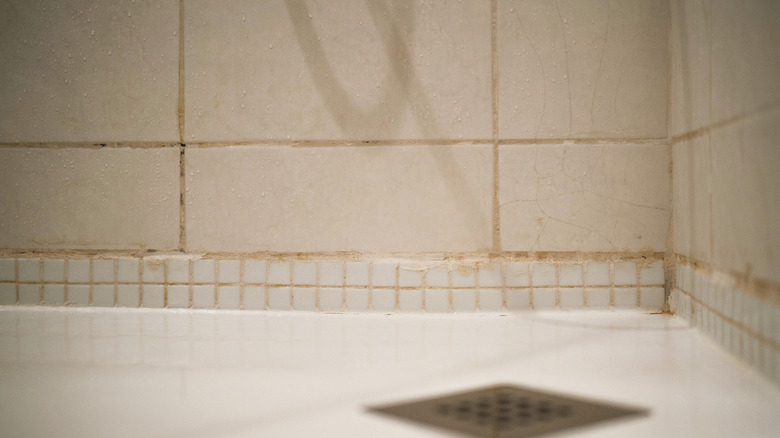
Despite your best efforts, the tile grouts in your bathroom will attract dirt, soap scum, and other contaminants. As a result, they'll end up looking dirty in no time. In case yours seem like they've seen better days, sprinkle a little powdered detergent over the grimy areas and scrub the areas well with a used toothbrush to clean tile grout. Feel free to add a little water to moisten the detergent. To tackle wider grout lines, you can directly add detergent to a wet scrubbing sponge and rub it against the offending areas. When you're done, wash the areas thoroughly and dry them off.
Makeup brushes
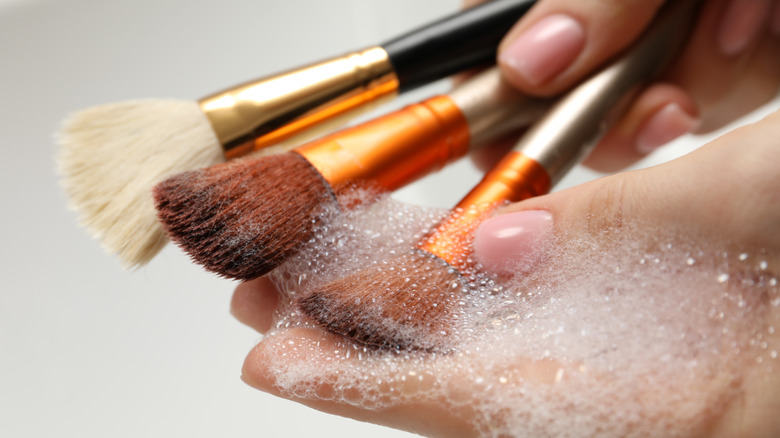
You should clean your makeup brushes every seven to 10 days. Otherwise, the leftover makeup particles, skin oils, and general dirt will invite over bacteria, and lead to skin issues. To ensure that doesn't happen, wet your brushes under running warm water, pour in a few drops of a mild liquid detergent onto your washed hand, and rub the bristles against your palm to clean them. Once they look like new, wash the brushes then dry them with a dry microfiber cloth. You can follow these steps to cleanse your paint brushes as well.
Soiled oven racks
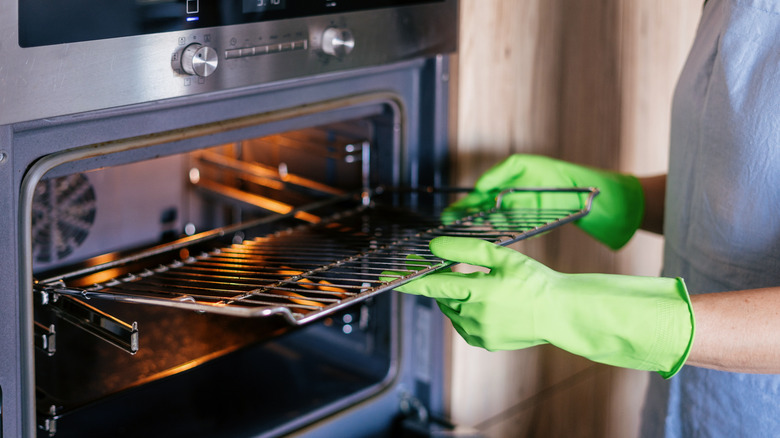
When cleaning your oven racks, you'll have to deal with burnt food, hardened spills, and layers of grease. And it can be an ordeal if you don't wipe up messes immediately. Luckily, there's an easy way to clean oven racks. All you have to do is take a large enough bin or plug in your bathtub, fill it with hot water, and mix in ½ cup of laundry detergent. Now, lay in your dirty oven racks and leave them be for a minimum of 15 minutes. In case you aren't in a hurry, an overnight soak will be best. Afterward, take them out and scrub as well as rinse them.
Greasy kitchen cabinets
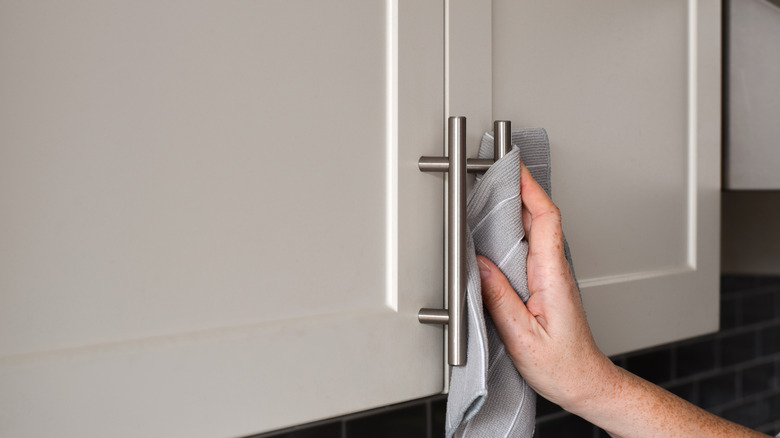
Kitchen cabinets, particularly the doors, silently endure grease marks and food splatters, especially in a busy kitchen. And this can dull their finish and sheen. To restore them back to their former glory, combine 1 tablespoon of laundry detergent with 2 cups of warm water. Dip a microfiber cloth or gentle sponge in the solution and rub your cabinets clean, paying special attention to their doors and undersides. When you're done, dampen another cloth with clean water to wipe away unwanted residue or streaks.
Dirty dishes
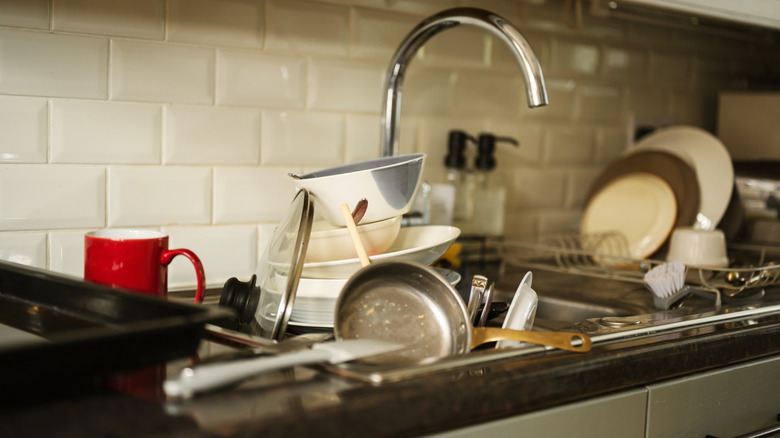
While you don't want to make a habit of substituting your dish soap with laundry detergent, it can work beautifully in a bind. Just combine a few drops of liquid detergent (ideally, less than the amount of dish soap you use) in a bowl of water and your cleaning solution will be ready. However, keep in mind that you'll have to rinse your dinner and cookware more vigorously afterward to get rid of all the suds. Like we mentioned, don't use it regularly, especially if your detergent contains a lot of chemicals; they might be fine for your clothes but you don't want to consume them.
Sticky floors
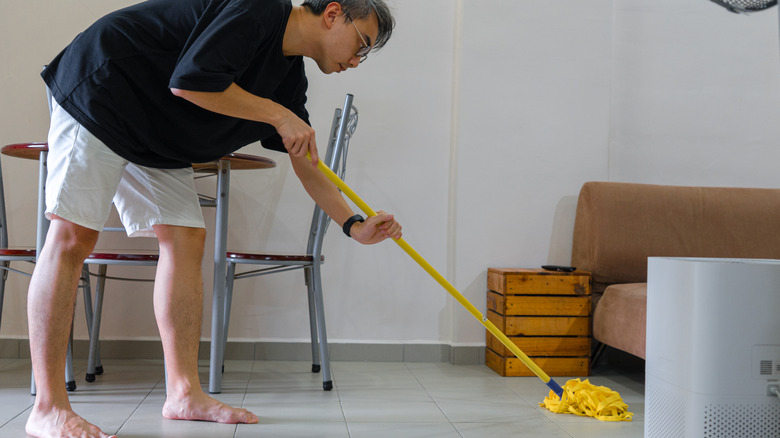
Washing your sticky floors might not be possible if there are no built-in drains to pull away water. The next best thing you can do is add a little laundry detergent to your mopping water to refresh your flooring. A tablespoon of liquid detergent is enough for 1 gallon of water. Dunk your mop in this solution and wring it out before rubbing it across your floors. Once you're done, it's a good idea to go over them again with clean water, so the surfaces don't turn slippery. However, only use detergent to clean vinyl, laminate, tile, and linoleum flooring; don't use it to mop hardwood floors.
Painted walls

If you have kids in the house, you're probably not a stranger to drawn-over walls. Unless their art resembles high-end graffiti, you might want to rub them away and let your pretty painted walls enjoy the spotlight. To do this, pour in a couple of drops of liquid laundry detergent to a bucket of warm water, dunk a sponge or cloth in this solution, and gently rub it over affected areas. Then, let your walls air dry. Always test the cleaning solution in a corner to check whether or not it'll strip the top coat or dull its sheen.