

Skip Standard Gravel — Try This Natural Alternative For A Sleek, High-End Landscape
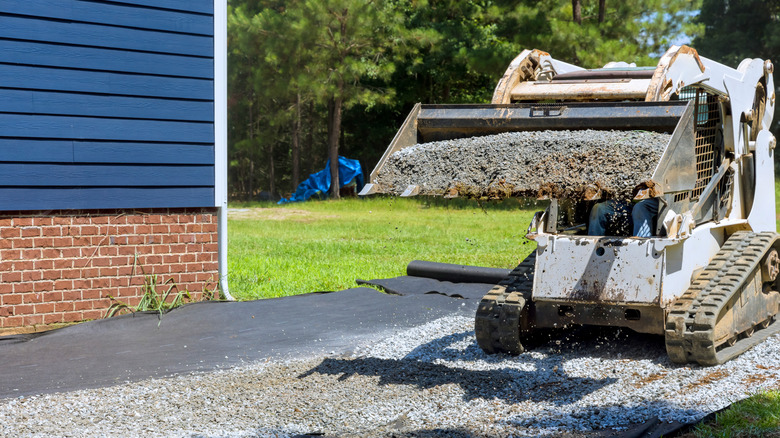
From building driveways and walkways to accenting rock gardens and flower beds, traditional gravel checks most of the boxes. It's durable, holds up to foot traffic, and is readily available. Plus, it's a low-maintenance way to cover large areas, especially when you need good drainage. So why would you cheat on a good, solid option that meets your functional needs? Well, some alternatives to landscaping with gravel, like Mexican beach pebbles, offer that smooth, suave sophistication that's just too good to resist.
The name is very fitting for this landscaping material. The completely natural stones are collected from the beaches of Baja, Mexico. Homeowners are often drawn to Mexican beach pebbles because of the smooth, rounded shape. Mother Nature is responsible for that natural smoothness — endless crashing waves from the ocean wear away the rocks until they reach the soft, rounded profile. That means the volcanic basalt rocks end up in all different shapes and sizes, which makes them a good natural option for your landscaping.
But be prepared to pay a premium price for the sleek, upscale look. Because they're formed naturally and hand-picked from the beach, Mexican beach pebbles cost a lot more than gravel — they average $200 to $400 per ton versus $30 to $60 per ton for landscaping gravel. The rounded shape also means that although the pebbles are a low-maintenance landscaping idea, they aren't ideal for every application.
When to use Mexican beach pebbles for landscaping
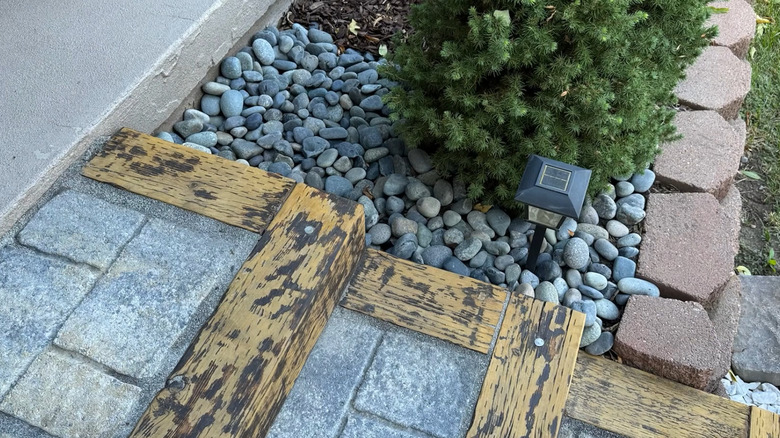
Mexican river rocks exude elegant serenity, thanks to the smooth, matte look of the stones. They're ideal for decorative landscaping in spaces where you want to create a calm, relaxing, upscale environment. Because they're formed along the shore, these pebbles can also create a high-end coastal vibe in your yard. If the cost is a factor, consider using it as an accent in small areas, like along your driveway or as a border for a planter bed.
While the rounded shape is aesthetically appealing, it's not functional for all situations. It's not the best type of gravel for a driveway, for example. When rocks are rounded, they tend to shift under weight. So driving your car over a path of Mexican beach pebbles could cause the rocks to move. Using traditional gravel, which is angular and locks together better, creates a more stable pathway for busy areas.
Instead, reserve Mexican beach pebbles for low-traffic areas (both foot and vehicular traffic). They're highly compatible with xeriscaping if you have succulents and other drought-resistant plants in your landscape. You might integrate them into a water feature or at the end of your downspout to prevent a muddy mess. They also work well in Zen gardens, rock gardens, or container gardens.