

5 Common Problems With HVAC Systems
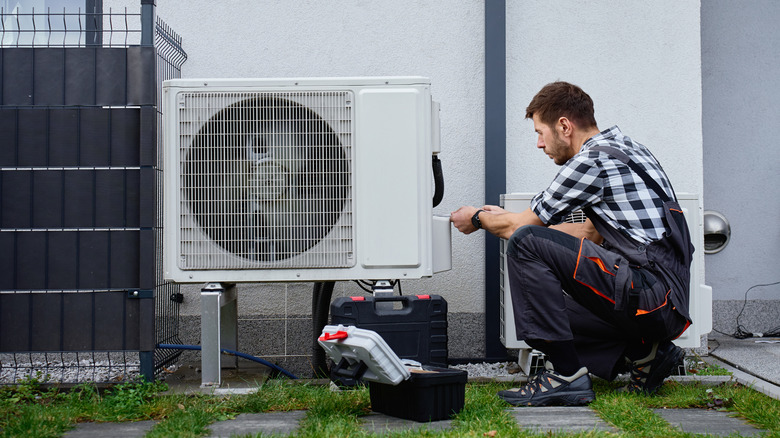
Once you know what an HVAC system can do for your home, it helps to know the most common problems that can come with them, too. Luckily, many HVAC (heating, ventilation, and air conditioning) issues tend to fall into a few predictable buckets. Some, like dirty air filters that can really make your home stink, are easy DIY fixes. Others, like a pilot light problem, should always be handled by a professional because of the safety risks involved. Knowing which bucket your problem falls into — and generally how to fix it — can save a lot of time and money in the future.
Whether you are a new homeowner learning when to call a technician and when to handle a repair yourself, or a renter trying to figure out when it's time to put in a request with maintenance, understanding the usual HVAC issues can help you reach a workable solution a lot faster than flying blind. Here's what to look out for with your HVAC system, so you aren't ever caught off guard.
Dirty filters causing bad smells and poor circulation
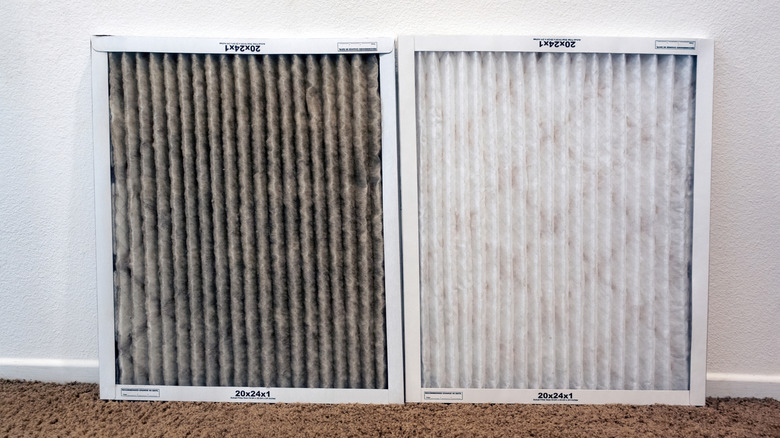
Some parts of your HVAC system need regular cleaning or replacement, especially the air filters. Over time, things like pet dander and dust can build up on these parts and reduce the system's effectiveness. An overloaded HVAC filter is one of the most common issues because if you forget to clean it, things can quickly go awry. You'll notice bad smells because the air is moving through a blanket of gradoo, as well as poor circulation and even uneven heating or cooling as buildup on the filter makes it harder for air to move. You'll probably find it happening sooner in homes with lots of pets or where the doors and windows are often open, letting in outside debris like pollen or dust.
The solution is to replace your air filters every 30 to 90 days. If you have many pets or are particularly sensitive to smells or allergens, the lower end of that range is usually best. Don't let it go too far past the three-month mark, because, if left unchecked, these issues can eventually lead to higher bills and even system failure. This is one of the easier air conditioner maintenance tasks to handle, even if you don't have much DIY experience. Swapping the filters is hard to get wrong and usually takes less than five minutes.
A faulty thermostat negatively impacting temperature
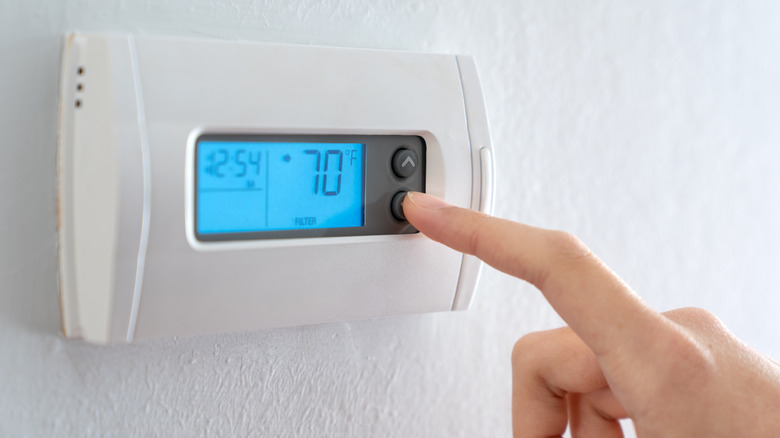
Your thermostat is the hub of your HVAC system, so if something's wrong with it, it quickly affects the rest of the house. igns of a thermostat on the fritz include setting it to one temperature, only for it to ignore you completely. It can seem like the numbers you input on the screen aren't being picked up by the rest of the system. You might try to turn it on or change a setting, like switching the fan from auto to on, and nothing happens. You might even have the opposite problem — you're clearly freezing, but the thermostat says it's 85 degrees inside.
These problems can mean a number of things are wrong with your thermostat. The least serious possibility is dead batteries, which is a simple fix. It could also mean the system is simply on its last legs and needs to be replaced with a more modern option. That isn't necessarily a bad thing, since a smart thermostat can make for greener living by reducing energy use and keeping bills lower. If you already have a newer system, there could have been an installation issue, like faulty wiring, which is worth having a professional take a look at.
A pilot light that just won't light
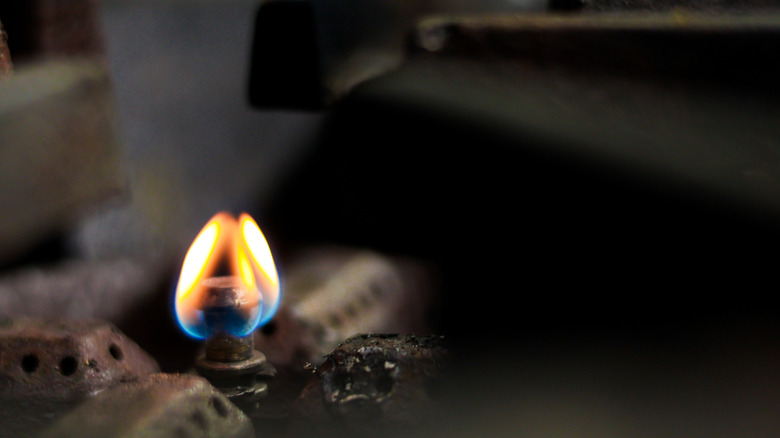
Pilot light problems are a common HVAC issue, but they are just a touch more serious than others because they need professional assessment. The pilot light is the continuously burning flame that ignites burners in your furnace when you need heat. When your pilot light is out, the appliance won't work. Newer systems don't tend to have pilot lights but instead use electronic or intermittent pilot systems. However, even these newer options still need maintenance and can fail due to dirt or an electrical malfunction.
When the light just keeps clicking without igniting, or it eventually starts and then goes out again, it's possible the issue is with the light itself, like a draft blowing it out or a gas supply shortage. There might also be a problem with the flame sensors or burners, so the light can't do its job even when it is on. Regardless, even though this can happen often because both gas and electricity are involved, pilot light problems are something you need to call a trained technician to fix for you.
Weird noises coming from the system, indicating broken or worn out parts
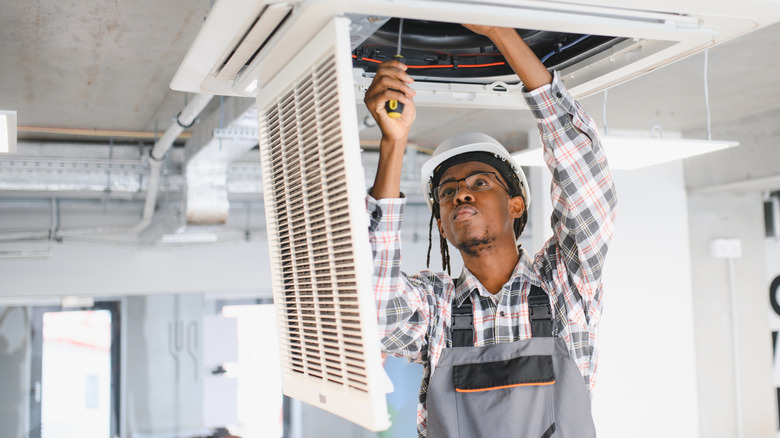
If your HVAC system suddenly has a lot to say, it's time to take action. Weird noises that go bump in the night are a common enough HVAC issue, but one that usually needs fairly quick attention.Do any of these sound familiar? Random popping sounds while the air conditioner is running. A loud snap, crack, or pop when you turn on the furnace. A humming or buzzing sound is coming from the system's motor. There are a lot of different problems these sounds could be warning you about. It could be anything from a few loose screws to a failing capacitor and everything in between.
As soon as you start hearing strange noises, there are a few things you can check to knock out some low-hanging fruit before you call for professional reinforcement. Check the nuts and bolts on your furnace, your outdoor air conditioning unit, and the vents in your home. They should all be tight and not worn out. If you see debris clogging anything up, clear it away. You can also check whether consumable HVAC parts like belts, valve seals, and O-rings are worn out. If the noises continue after these checks, call a professional for an assessment.
Too much water in the system
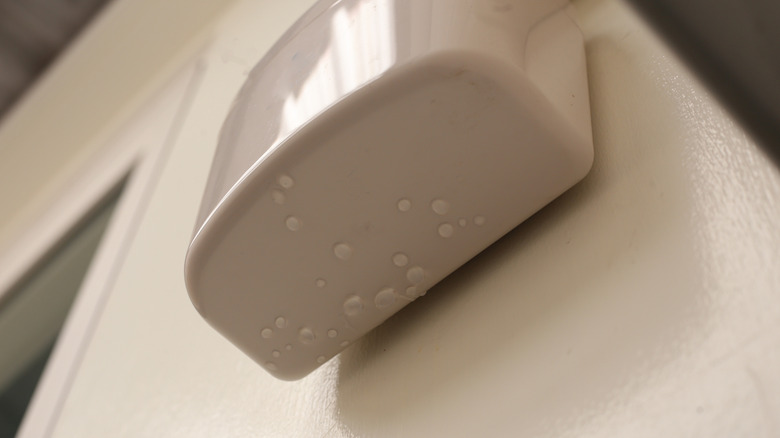
There isn't supposed to be much water in or around your HVAC system. While these appliances can create some condensation in humid environments, if yours is suddenly sitting in a puddle, it's time to act quickly. This common issue usually happens because a drain pipe isn't working as it should. These pipes are supposed to siphon moisture away from the appliance, but sometimes they can crack and leak or become blocked by mold or dirt. Water can also come from an overflowing drain pan. If you live somewhere with high humidity (hello, Florida), this is another likely culprit.
If left unchecked, pooled water can damage drywall and other materials near your unit. Some systems even shut themselves off automatically once they detect too much water in order to prevent further damage. Beyond visible puddles or a system that keeps turning off, there are a few other signs of excess water to watch for. Musty smells are a clear sign that water is collecting where it shouldn't be, while browning or staining on nearby walls can indicate leaks. A simple clog in the drain line is sometimes an easy DIY fix, but persistent leaks or a system that's constantly shutting itself off should be checked by a professional.