

Kitchen Island Trends On The Way Out In 2026 (So Far)
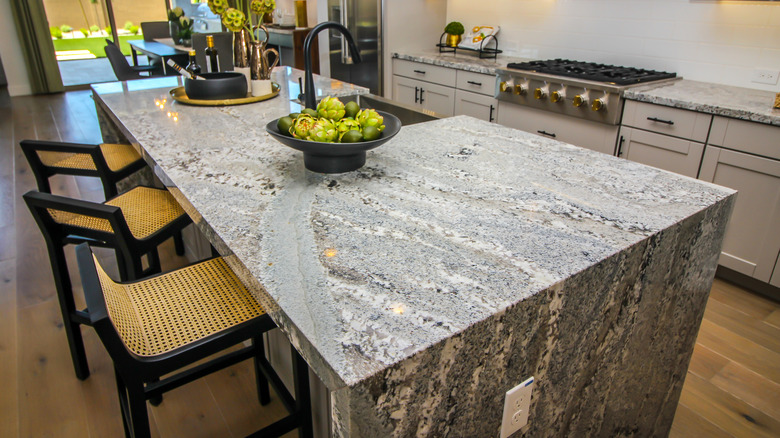
Islands are a mainstay of American kitchens, but what's popular for their design can change fast. In fact, there are plenty of kitchen island trends on the way out in 2026. Islands that make your kitchen look too utilitarian are over, and even the structure of the piece itself is evolving rapidly. This year, we're losing a lot of things that used to be mainstays, like islands that match the rest of the counters and two-tiered styles. And some trends are not just changing for the sake of it, but to create more functional, better-looking kitchens.
While what's popular can come and go, the concept of having a kitchen island isn't going anywhere. In fact, a recent survey by construction management platform Houzz found that three in five homeowners either added or updated a kitchen island to their property during renovations. Since it can be hard to afford a kitchen remodel on a budget, it's important to design a timeless space that you don't have the itch to redo again in a few years. So, here's what's better left behind in 2026.
Kitchen islands dominated by straight lines are too stark
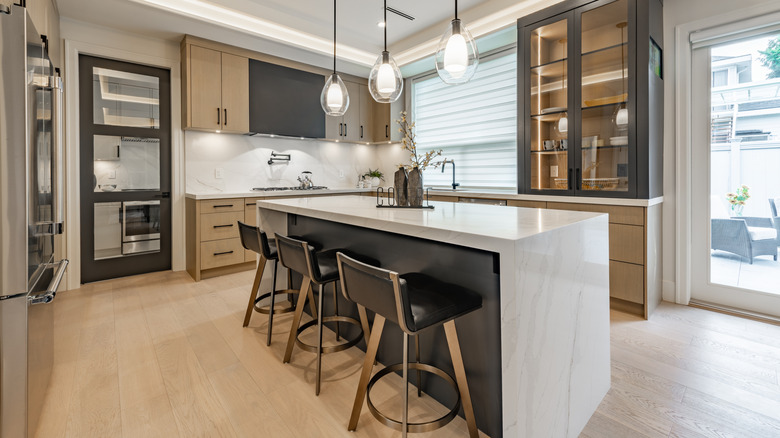
If you put an island in your home in 2026, be sure that it's not too visually sharp. "Straight lines are giving way to softer, more organic shapes," designer Cathleen Gruver told Home & Gardens about how trends are changing. In the 2010s, minimalism was big in kitchens. This design movement was dominated by things like islands with clean, sharp edges, and other elements such as sleek appliances and high contrast finishes. The goal was likely to create elegant, upscale rooms, but it's now seen as a bit impersonal. It's like stepping into a showroom instead of someone's home. Nowadays, these super straight lines are one of many design choices that make your space look stuck in the past.
The distance that designers are placing between their projects in 2026 and these harsh island edges is a bit of a visual correction for a new era of kitchen design. Instead of a sharp, definite ending to the island's countertop, and always being shaped like a rectangle, you'll notice things like curved or pill-shaped islands and rounded waterfall edges. "[They] create a sense of flow and approachability, particularly in open-plan kitchens," Gruver continued. "These sculptural forms feel intentional and help soften large spaces without sacrificing functionality." This softness, this accessible and lived-in feeling, is a defining feature of 2026 kitchen design.
Unmoveable, built-in kitchen islands are too bulky and expensive
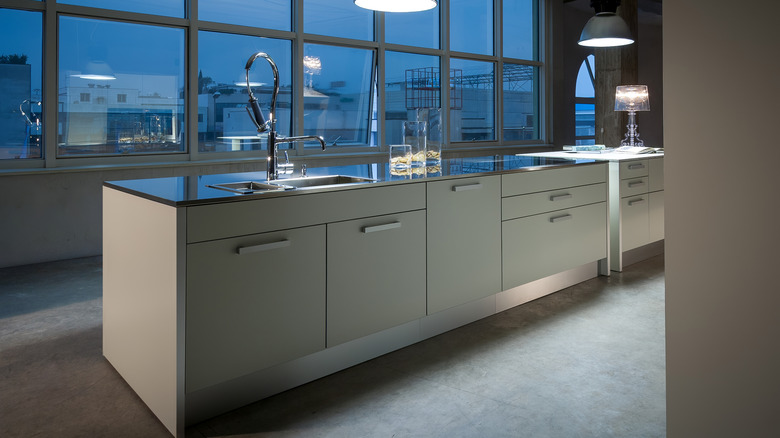
In the past, kitchen islands have been as immovable as the rest of the kitchen countertops. They are filled with built-in storage and sometimes even amenities like large sinks and dishwashers. But in 2026, this norm is changing. The kitchen island, as we know it, might even disappear. "I think we'll see a real move away from overly fitted kitchen islands and a return to islands that feel more like standalone pieces of furniture," designer Carina Raymond said, per Home & Gardens. "Whether vintage, antique, or made to measure, the key is that they look freestanding rather than built-in."
Other designers push the idea even further, recommending that in 2026, built-in islands will be replaced by freestanding furniture (like a dining room table). "This is especially suitable for smaller kitchens, where a large, blocky island disrupts the flow and may make it feel even smaller," designer Rosanna Bassford told The Kitchn. The reason for this trend is an aesthetic one, sure, but it also has financial motivations. Unfitted kitchens in general are gaining popularity in 2026 because these freestanding elements (islands included) cost significantly less than their built-in counterparts.
Islands that match the rest of the kitchen are trite
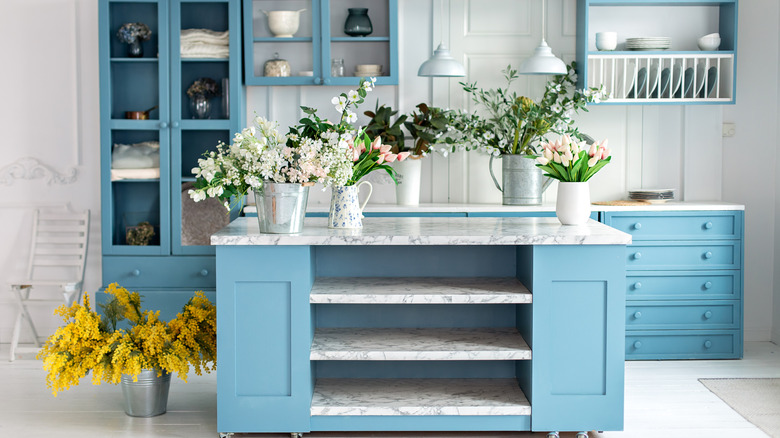
In 2026, islands that match the colors and materials of the rest of the kitchen are becoming less and less common. According to research done by Houzz, about 21% of homeowners remodeling their kitchens choose to use different colored countertops on their islands. "Perfectly matched kitchens where every surface and finish is identical can feel overly predictable," designer Cara Woodhouse told House Digest about why trends like this are dying out. She argued that "the most compelling kitchens today combine materials with intention. Mixing woods, metals, and stones adds depth and makes the space feel more custom and collected."
In 2026 and beyond, coordinating kitchen islands will be favored over these matching ones. "Using the same color and finish for both the island and surrounding cabinetry creates a monotone look, causing everything to blend together," interior designer Stephanie Calderon told The Spruce. This means that instead of the same look, the island cabinets might be just in the same color family, or a variation of the same material. In addition, the island's top material could offset the rest of the countertops to make a bold visual statement.
Islands that are not individually lit aren't functional
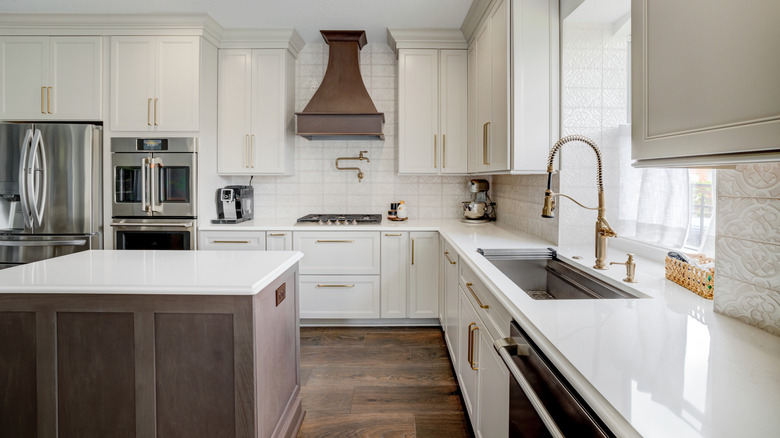
Some islands rely on ambient light from the rest of the kitchen. However, research by Houzz found that in 2026, things are drastically changing. The survey found that 95% of people who renovate their kitchen islands install lighting directly above the area. Task lighting above islands helps make them more functional, and pendant light fixtures are leading the pack.
The data revealed that 39% of homeowners placed at least two lights above their island, while 29% chose to use three. Having good task lighting in the kitchen is important because it helps you see what you're doing when you're chopping food or entertaining guests, both things that often happen atop a kitchen island. A row of pendant lighting above the kitchen island defines it as its own zone, instead of just letting it blend into the rest of the kitchen.
Two-tiered islands aren't as useful as they seem
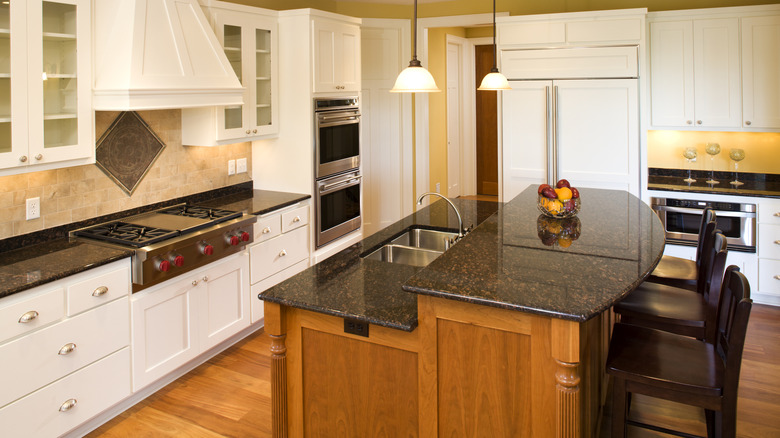
Islands are a great way to increase the amount of workspace and storage available in your kitchen without having to physically expand its footprint. You might then think that it's logical to make the island itself two-tiered to further increase these benefits. However, in 2026, designers are admitting that this was more of a failed experiment, and it's time to leave them in the past. "Two-tiered designs reduce usable countertop space and limit seating to bar-height stools, which aren't as versatile," interior designer Stephanie Calderon told The Spruce, revealing that these options typically work the opposite of how they were originally intended.
The drawbacks of two-tiered islands make ease of use more difficult, which is why they are being retired. Because the workspace is split in half, it reduces the area you have available for everything you might use it for. Instead, Calderon suggested that "a single-level island maximizes prep, entertaining, and dining space while maintaining a clean, modern look." Plus, the flatter sightline of a one-tier island means your kitchen looks less visually cluttered. It also makes the space itself more functional, as you have a wider array of options to choose from for seating, and can spread out your projects as needed.