

8 Easy Perennials You'll Want To Plant In June For Nonstop Color Until Frost
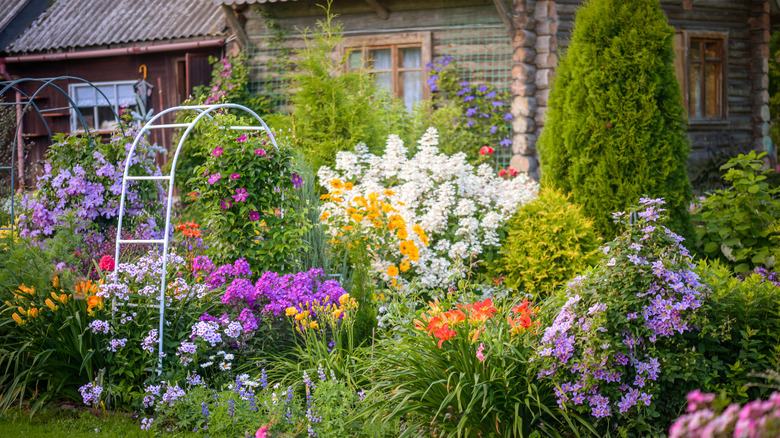
Planting perennial flowers brings a bountiful garden year over year, and June is a great time to enhance your yard with plants that will bring the color all the way until the first cold nights of fall. Choosing between annual or perennial plants is easy if you want a garden that comes back year after year. While annual flowers are inexpensive garden additions each spring, they are one-and-done, completing their growing, blooming, and dying life cycle all in one season. Perennial flowers may cost a bit more at the garden store, but they will come back, year after year, with simple care. And these eight perennials are some of the easiest to care for, sure to provide a rainbow of colors to your garden all the way to fall, and then again next summer.
Garden stores start to stock their shelves with perennial flowers in earnest in June, meaning you'll be spoiled for choice on long-lasting plants ready to bring color to your garden once those early spring annuals have faded. And June perennials are ready to go right into the ground, with developed root systems you won't have to baby too much when planting.(some perennials, like sunflowers and zinnias, can still be grown from seeds, providing blooms by the end of summer and beginning of fall). Remember that planting in June means paying attention to climbing temperatures and less rain, so be sure and adjust your watering schedule appropriately.
Finding easy-care varieties also means less time pruning and fertilizing, and more time enjoying the bounty of your colorful garden while sipping lemonade on your porch or patio. Many of these perennials send up blooms in late summer or fall, which means colorful flowers for more of the year.
Agapanthus
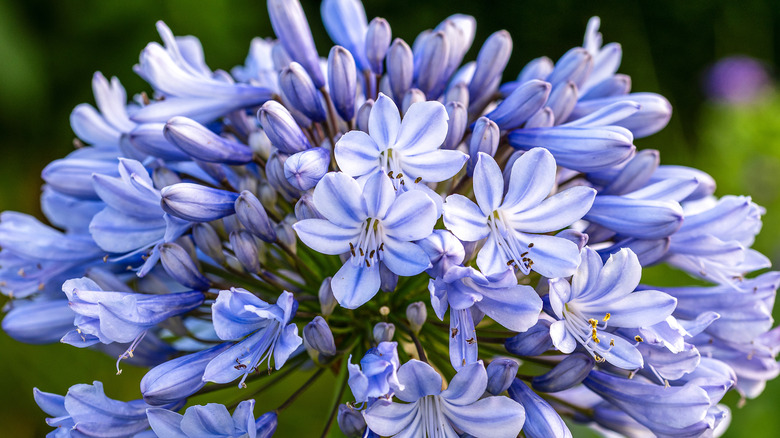
For a bloom that will brighten your garden all summer long, Agapanthus (Agapanthus orientalis), also called African lily or lily-of-the-Nile, is a great June option, since potted plants are already in bloom. Hardy in USDA Zones 8 through 10, this plant has tall green spikes topped with clusters of delicate flowers in shades of purple or white. The easy-going perennial likes sunny spots but will tolerate some shade, and is happy in most soil types if you establish it with some good organic material to start. Some cultivars have flower spikes getting as high as four feet.
Purple coneflower
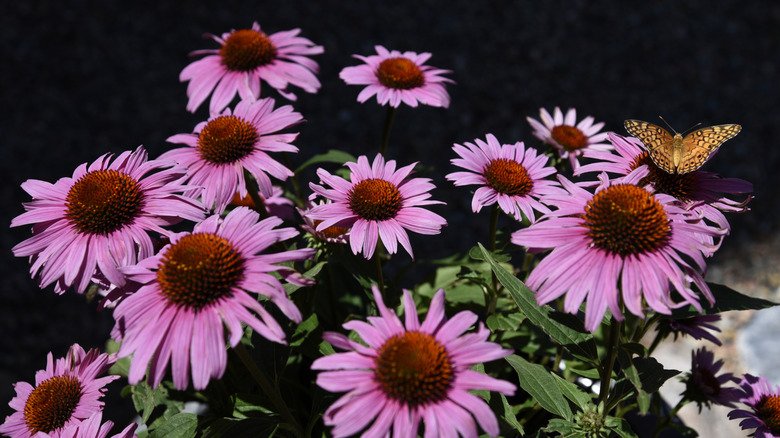
If you prefer a native perennial that will bring in the pollinators, purple coneflower (Echinacea purpurea) is a great choice for June transplanting. You'll want to buy an established nursery plant so that it will fill your garden with purpley-pink, daisy-like blooms right away, which are also beautiful as cut flowers for those summertime bouquets. Hardy in USDA zones 3 to 10, this long-blooming flower also known as echinacea is drought-tolerant and enjoys sun and well-drained soil. This plant will re-seed itself, giving you blooms for many summers to come. On top of that, it is considered deer-resistant.
Black-eyed Susan
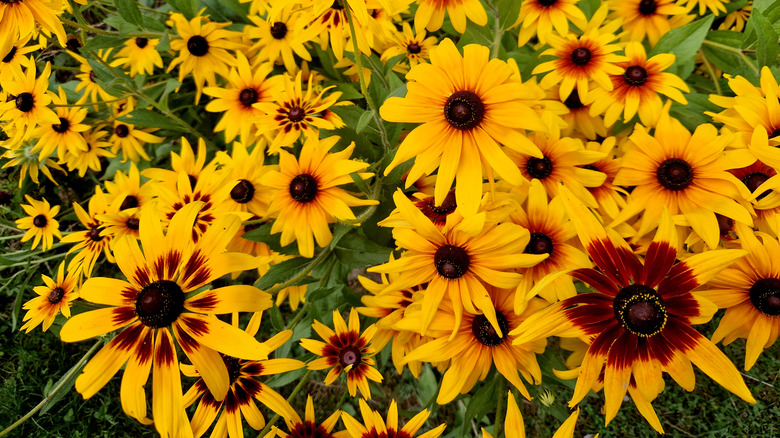
Another native, daisy-shaped flower beloved by pollinators is the bright black-eyed Susan (Rudbeckia hirta). This plant's yellow-orange flowers burst forth mid-summer, and if you do some deadheading, will keep flowering well into fall. Tolerant of many soil types, this low-maintenance flower will stay healthy with at least four hours of direct sun per day. It is hardy in USDA zones 4 through 10, and is fairly drought-tolerant, sending up prolific, tall stems of bright flowers all summer long. Don't deadhead the final bloom, leaving the gone-to-seed flowers as food for overwintering birds.
Pentstemon
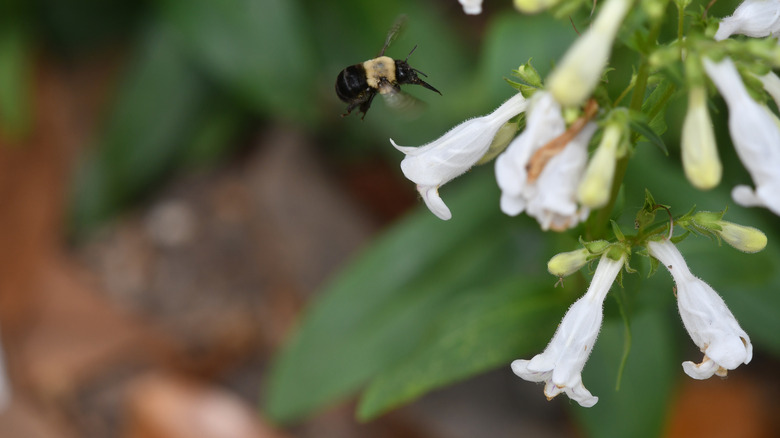
Penstemon (Penstemon spp.), also called beardtongue or wild foxglove, is another tall, native flower. While in warmer climates this is a spring-blooming perennial, its long stalks of white, pink, or purple tubular flowers can be planted in June for summer blooms in cooler climates. Also, many hybrids are designed as later bloomers, like cutleaf pentstemon which will bloom through August. Most regions of the U.S. have native varieties of penstemon; your local nursery should know which types are best in your area. These flowers are hardy in dry soils and often need little supplemental watering throughout the summer.
Astilbe
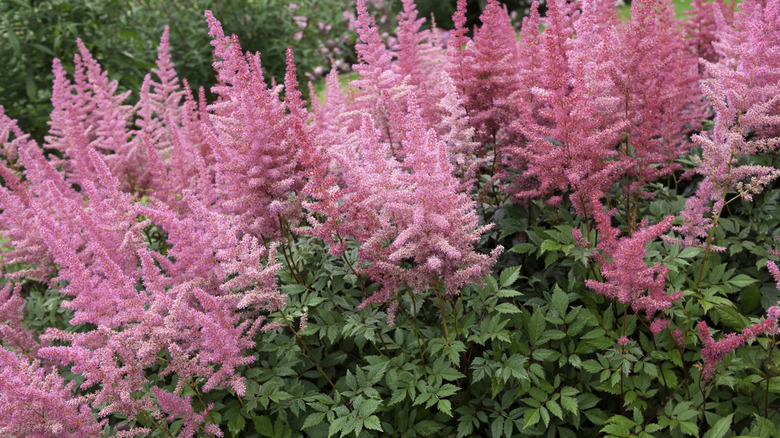
Native to Asia, Astilbe (Astilbe spp.), also known as False spirea, come in a variety of cultivars and make a striking addition to summer shade gardens. Its cone-shaped, tall flowers bloom in shades of pinks, purples, and white, keeping their shape and color long after they dry out. The feathery, fern-like green foliage looks great even when not in bloom. This perennial likes rich, moist, but well-draining soil and partial shade, but But avoid overwatering. Astilbe is hardy in USDA growing zones 3 to 9, and different cultivars send up their tall blooms at different times through the summer.
Allium
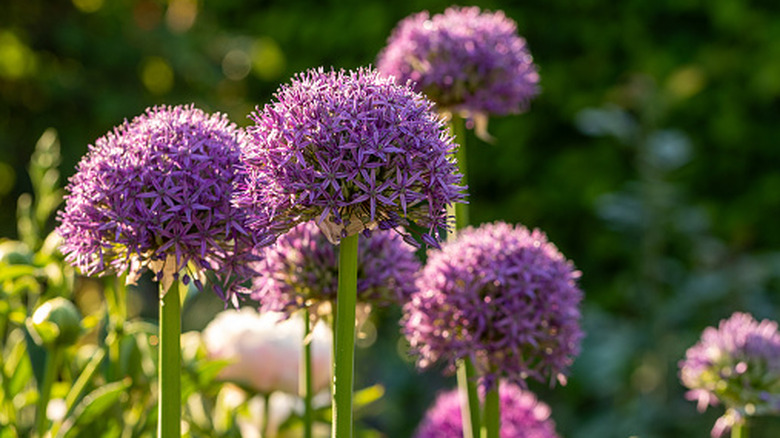
Most Allium (Allium spp.) bloom through August in USDA zones 4 through 9 and is about as easy-care a perennial that you can find. Deer and rabbits avoid it, and this member of the onion family puts out showy, balls of delicate, purple puff-ball flowers that pollinators love. Must Allium should be planted as bulbs in fall, but you can transplant nursery plants or potted shoots in June. Consider late bloomers like round-head (Allium sphaerocephalon), black garlic (Allium nigrum), or the very hardy cultivar 'Summer Beauty,' which can be planted most any time.
Sneezeweed
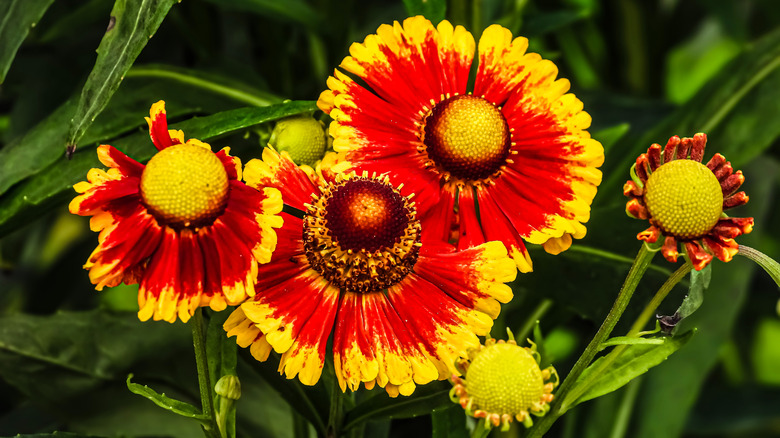
This unfortunately named flower is unlikely to make you sneeze, but Sneezeweed (Helenium autumnale) will bring you a lot of late summer and early fall joy with its bright orange and yellow blooms. Its ground, dried flowers were once inhaled by early Americans as a snuff. Now this native flower brings color to the garden late in the season, to the delight of pollinators. It is a wonderful plant for native landscaping, and is low maintenance if planted in moist soil. It's daisy-like blooms add late-season cheer to any garden in USDA growing zones 3 through 8.
Phlox
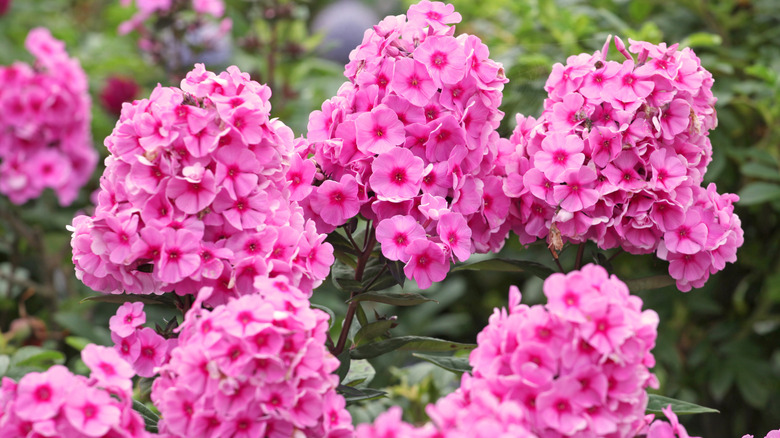
Phlox (Phlox spp.) is another flowering perennial you can plant in June, and you can find cultivars that will bloom throughout the summer and even into fall. This plant, native to the Eastern U.S., comes in tall or low-growing varieties, with the taller phlox blooming throughout the summer. Plant phlox in June in well-draining soil; after it gets established, it won't need much watering to thrive. Its flowers come in clusters of pink, or red or white, so you'll be able to choose the variety that works for your color scheme in USDA growing zones 3 to 9.