

Neither Hostas Nor Heucheras: The Perfect Shade Plant For Beginner Gardeners
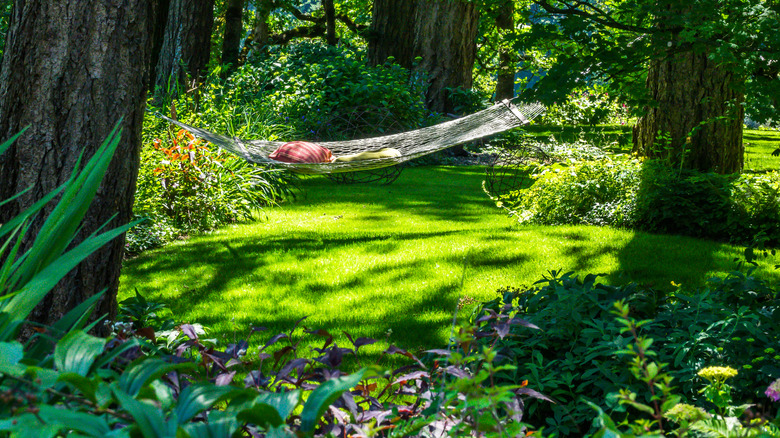
When starting a new garden, you're likely thinking about the needs of your plants, including how to give them the right amount of water, soil, and sunlight. If your outdoor space has a lot of shade, shade-specific plants are ideal since they don't need direct sun to thrive. You might be familiar with some of the more common shade-tolerating plants, such as hostas or heucheras. However, you might also want to consider another landscaping solution for shady areas, one that happens to be quite beginner-friendly: brunnera (Brunnera macrophylla).
While this plant typically goes by its scientific name, brunnera is also known as great or false forget-me-not, as well as Siberian bugloss. This perennial also sometimes goes the name of 'Jack Frost,' which is a popular cultivar that sports silver coloring among its foliage. However, keep in mind that 'Jack Frost' is just one type of brunnera. More generally, brunnera is known for its large and interesting heart-shaped leaves that are typically dark green in color. In the spring months, brunnera flowers with small clusters of pretty light blue blossoms, which attract bees and other important pollinators.
Aside from its visual and wildlife appeal, there are some more practical benefits that brunnera can offer for gardeners. For one, it prefers partial to full shade, which makes it ideal for any part of a yard or garden that's shaded by homes, trees, or other structures. These plants are also low-maintenance and easy to grow, which are two features that both novice and experienced gardeners will appreciate. As a bonus, unlike hostas, brunnera plants are considered deer resistant, as the animals do not care for their texture.
Best places to plant brunnera in a garden
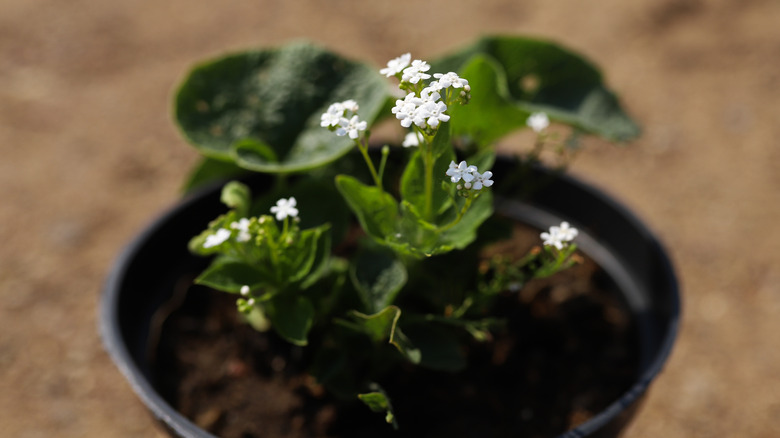
Brunnera is native to mountainous forests in parts of eastern Europe and Western Asia, and it's considered hardy in USDA zones 3 to 8. Due to its preference for cool climates, brunnera typically doesn't do well in regions that get hot and humid, such as the Deep South. You'll want to keep this in mind before planting: It may not be worth going through the work of planting brunnera if it's at risk of wilting in your region's hot summers!
Brunnera doesn't need direct sunlight to thrive, but it is possible that a selected location might get some amount of light during the day. If this is the case in your garden, ensure it's grown in a spot where it only gets a few hours of light at most. Ideally, this ought to be morning sunlight on an eastern-facing part of your garden, as afternoon sunlight can scorch brunnera's delicate leaves. Keep these tips in mind when choosing the best location for a new garden.
Brunnera works well as a ground cover, but it can also make for an attractive border plant, too. It may also be planted in pots as part of a container garden. Typically, brunnera is not sold as seeds, but you can purchase young plants from a nursery or garden center. You can also propagate root cuttings from the plants before spring to encourage more growth. However, since certain cultivars, like 'Jack Frost,' are patented, know that propagation for the means of resale is prohibited without proper licensing.
Brunnera is easy to care for with a few key tips
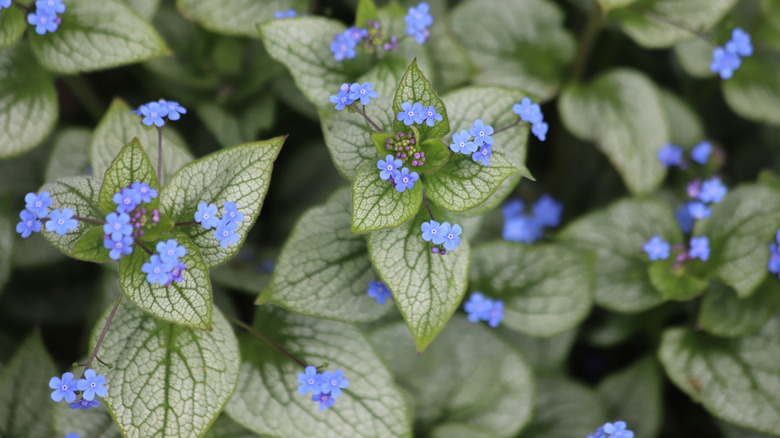
Aside from avoiding several hours of direct sunlight, there are other key points of care that brunnera needs in order to thrive in a garden. Like other shade-loving plants, brunnera prefers moist, well-draining soil. You might consider adding mulch around the base to aid with water retention, which can also help keep it cool during the summer months. Overall, brunnera will not tolerate dry soil or drought conditions, so you might find it helpful to check the soil during periods of dry weather. As long as brunnera plants get water throughout the year, they should happy and healthy.
Once established, you can expect brunnera to grow over a foot tall and between 1½ and 2½ feet wide, depending on the species. Part of what makes brunnera so easy to grow is the fact that it spreads slowly via creeping rhizomes. This feature is especially beneficial if you're new to growing ground covers in your landscape or garden.
Finally, while you might be interested in growing brunnera instead of other shade-loving plants, know that this plant can thrive next to other shade species such as hostas and ferns. If you're a beginner gardener establishing your own green thumb, you can start with brunnera and add other shade-tolerant plants next to them over time.