

These Gorgeous Hardwood Floor Colors Are Dominating 2026 So Far
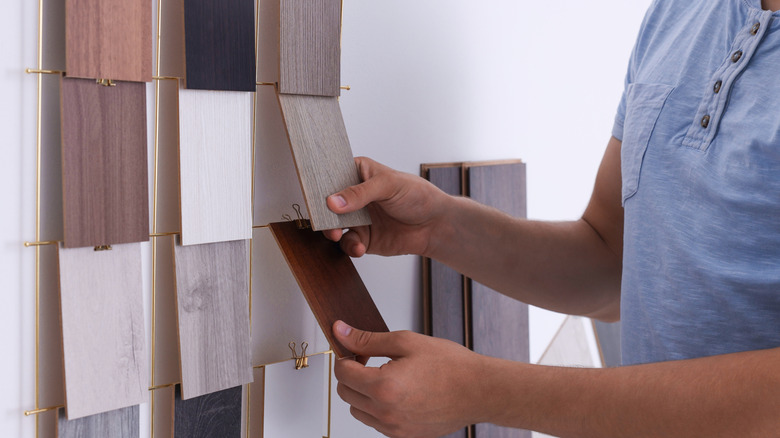
Although your floors might seem inconsequential when designing or renovating your home, they're one of the most important elements. It's because they anchor your decor pieces, lighting, and home's layout. Plus, they bring them together and help them shine. Given their importance, picking the wrong hardwood floor colors can make your home look dated. To illustrate, unnaturally shiny finishes and cool grays are no longer in vogue. So, which tones are dominating 2026 thus far? To find the answer to this question, Hunker got in touch with the Director of Design at Eisen Design House, Shannon Slattery, for an exclusive interview. She reveals, "Warm neutral hardwood tones are absolutely dominating right now. We're seeing a consistent preference among clients for light to mid-tone oak finishes — think soft, natural hues with subtle warmth rather than anything overly golden or cool gray."
And their popularity is primarily driven by strong market demand. Illustrating how in-demand these tones really are, she says, "When homeowners aren't able to achieve that look — whether due to budget constraints, timeline, or the condition of their existing floors — there's often real disappointment, which speaks to how strong the demand is." Pondering why warm neutrals are taking the lead in 2026? Slattery states, "These tones strike a balance between modern and timeless — they feel fresh and current, but not overly trendy or risky. They also pair well with a wide range of design styles, from contemporary to transitional, which makes them a safe long-term investment for homeowners." Plus, they naturally brighten a space instead of making it seem muted or artificial. Considering these pros, our expert expects these timeless colors to remain trendy.
How you can achieve this trend with your existing hardwood floors
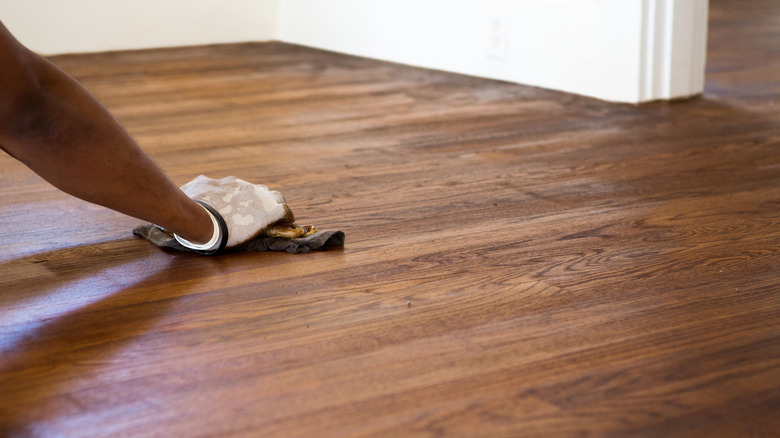
Wondering if it's possible to turn your washed out hardwood floors into warm honey, grayish-brown, caramel, amber, or beige tones? Slattery feels it's possible. Expanding on how you can achieve this trend with your existing flooring, she tells Hunker exclusively, "Refinishing is often a great option." That being said, refinishing your hardwood floors might not always be possible. "It really depends on the condition and history of the floors. Factors like the wood species, the current stain, and how many times the floors have already been sanded all play a role in what's possible," our expert adds.
To determine whether your existing floors are a viable candidate for refinishing, conduct a small test. Slattery elaborates, "We always recommend doing a few sand-and-stain samples directly on the floor to see how the wood responds. This gives a realistic preview and helps avoid surprises." But don't experiment on areas that are clearly visible; hidden corners or floor spaces covered beneath area rugs are your best bet. "In some cases, you can get very close to the desired look without a full replacement, but in others, the limitations of the existing material may make that difficult," she reasons. Since you wouldn't want to deal with discolored floors on top of them being unflattering, you'll have no choice but to replace your flooring. For maximum impact, our design expert has key recommendations: "Investing in wider and longer planks with natural variation. That detail alone can make a space feel more high-end and timeless. It creates a more seamless, less 'patterned' appearance, which aligns with the organic, modern aesthetic many homeowners are after."
How to choose the right hardwood floor color for your home
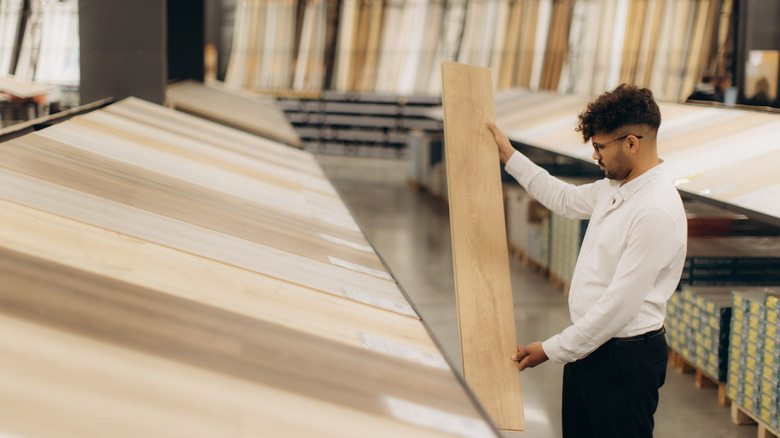
When going with warm neutrals, you'll be spoilt for choice since there are several classic hardwood floor colors that complement any home. But to pick the best option for your house, Slattery suggests drawing inspiration from your design theme and overall decor. Speaking exclusively with Hunker, she says, "The right choice depends heavily on the architecture and overall design direction of the home." You should consider how each hue, however popular, will impact your interiors before making a decision. Our expert agrees and adds, "It's important not to follow it blindly. If the tone doesn't complement your home's architecture, lighting, or overall palette, it can feel forced. Flooring is a foundational element, so it should support the space as a whole rather than just reflect what's popular at the moment."
And if lighter tones don't look good in a room, you can play around with darker colors, proposes Slattery. "While lighter floors are leading, darker hardwoods are far from out. In fact, they can be incredibly impactful when used intentionally," she says. Our expert notes that moody shades, like dark walnut and deep espresso, will look especially good "in spaces with ample natural light or more traditional architecture, while lighter tones tend to enhance openness and airiness." Whichever way you go, try to avoid picking overly saturated tones for your hardwood floors. Concluding her interview with us, Slattery shares the reasons behind this. "Homeowners are steering away from overly red, orange, or yellow undertones in favor of more muted, natural finishes," she divulges. So, for a trendy finish, lean into the natural grain and coloring of your hardwood flooring rather than choosing a glossy sheen or an unflattering stain.