

Why Homebuilders Abandoned Shotgun-Style Homes After The 1950s
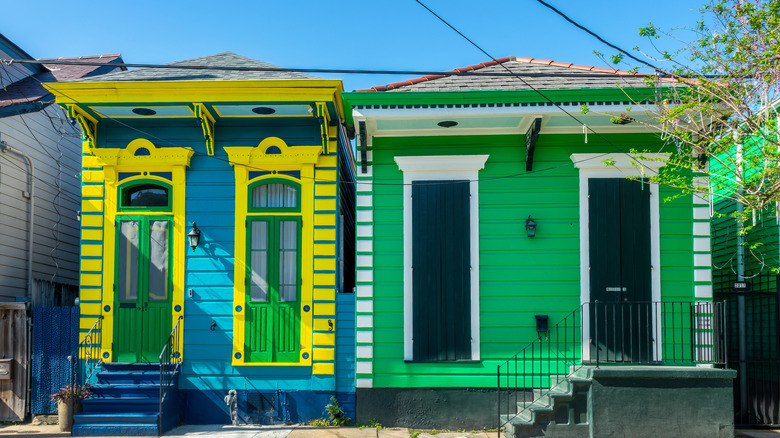
A shotgun house gets its name from the legend that if you stood on the front porch of one and fired a bullet, it would whizz clean through to the back of the property without touching a single wall. Very long, quite narrow, and extremely popular in most of the American South, this style of home all but disappeared from new construction after the 1950s. But why was that? The answer is a little more complicated than buyers having different tastes in architecture, and tells the story of a nation in transition.
After World War II, the United States experienced a massive cultural and socioeconomic shift. Suddenly, many families were earning three times what they used to and cities began to rapidly expand outward, creating far-flung suburbs completely dependent on cars — something that many Americans could afford for the first time. Because of all the new space available (and the cash on hand to buy bigger homes) the small, urban-coded dwellings that were shotgun houses were rapidly replaced. The 1950s home buyer wanted larger houses filled with modern conveniences to match the optimism of the post-war era. The midcentury modern ranch house filled this vacuum, and more than 90% of homes built in the late '50s were in this style, sometimes also called an Atomic Ranch. With this much demand on the market for a lifestyle that the shotgun house couldn't support by its very nature, the style was abandoned.
Why shotgun houses were left in the past
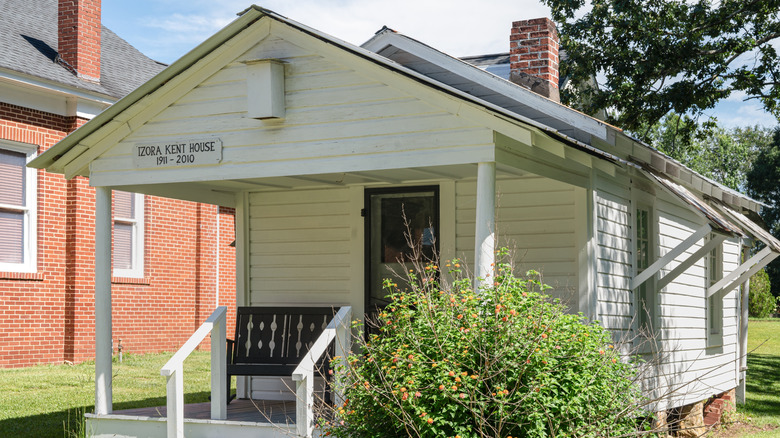
The exact origin of shotgun houses in the United States is up for debate, but many point to a revolution in Haiti at the turn of the 19th century. This event spurred the mass migration of many free people of color to New Orleans. They likely brought the shotgun style with them, as its long, narrow form helps guide a breeze through the building. It's a helpful form of natural air-conditioning on the tropical island of Haiti, as well as the humid climate of the Crescent City. Much of the southern United States shares this weather, so the style rapidly spread. However, by the early 1950s, in-home air conditioning was available en masse, making natural cooling options like the shotgun house obsolete. This lack of amenities is one reason builders abandoned them and moved onto other options.
In addition, the popularity of shotgun houses had a large peak in the post-Civil War Reconstruction era. Shotgun houses were inexpensive to build and their narrow nature provided more homes on less land for recently emancipated people. This rapid construction to meet demand continued into the 1920s. Unfortunately, many communities placed a lot of stigma on those who lived in shotgun houses, made worse by discriminatory housing practices such as redlining. Because of these unfair stereotypes, even those who once took pride in the significance of the style stepped away from it by the 1950s. However, in recent years there has been a resurgence of shotgun houses as both a preferred type of house style and a cultural symbol.