

Why You Should Think Twice Before Buying Plants From Home Depot & Other Big Box Stores
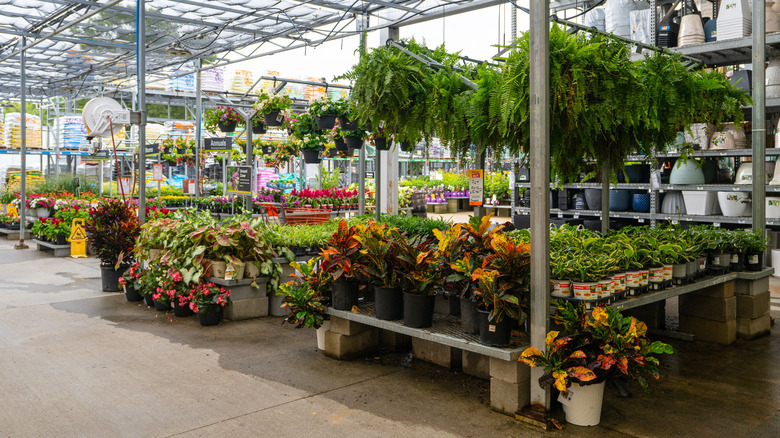
By the time spring rolls around, you may be so eager to plant a garden full of colorful blooms that you'll run to a big box store and load up a cart. But for several reasons, the plants you get from stores like Home Depot aren't necessarily the healthiest, nor are they automatically compatible with your environment.
On a Reddit thread dedicated to the subject, one commenter who claims to be a former Home Depot plant vendor suggested that pests can be a big problem in these types of stores. "I would and do buy plants from HD occasionally. They always get treated and quarantined," they wrote, adding, "These plants get a very low level of care and it's possible for an infestation to go weeks unnoticed." On top of that, the folks providing care for the plants don't necessarily have any knowledge about the plants in question, meaning they might get over-watered, under-watered, or kept somewhere with too little or too much sunlight. This can lead to stressed-out plants and conditions like root rot.
What's more, just because your local Home Depot is selling a plant, that doesn't mean it's good for or compatible with your environment. In fact, you may unknowingly plant an invasive species in your garden, which will compete with native species for resources and could threaten to drive them out. If you intend to design a native garden, your local plant nursery will likely be much more informed on the matter.
How to care for a plant bought from a big box store
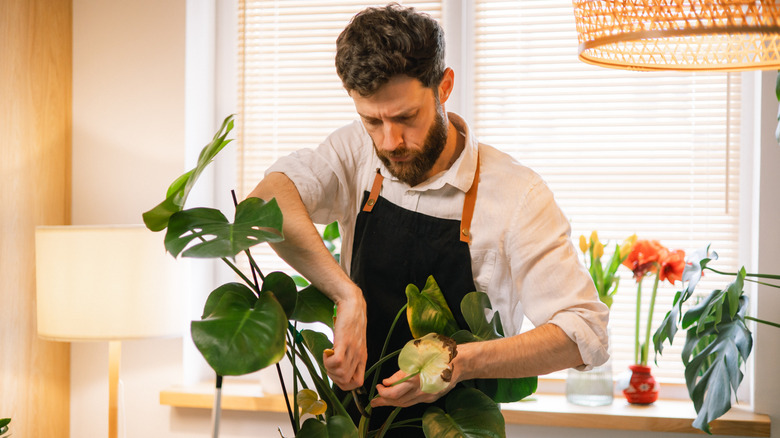
If you find a deal on a plant at Home Depot that you just can't resist, be ready to take some safety measures before introducing it to the rest of your greenery. First and foremost, you'll want to quarantine the plant for about a month, or until you're sure it's not at risk of infecting your other plants. If you see pests like aphids, mealybugs, or spider mites on your plants, find a method to manage plant pests that works for you. Neem oil is a great organic option that both kills and repels a slew of common plant pests.
It's also important to keep in mind that, because the plant may be thoroughly stressed out from a lack of specialized care, you could find yourself in a position where you're rehabbing a sick plant — even if you just bought it. If that's the case, it's important to cut off dead foliage, check it for pests and root rot, and provide treatment if necessary. From there, repot it in some homemade potting soil and make sure to provide the appropriate conditions for that specific plant going forward.
If you can't save your new plant buddy, Home Depot actually has a pretty good return policy when it comes to plants. Dead or alive, most plants can be returned as long as it's within a 90-day time frame. As for perennials, trees, roses, and shrubs, you have up to one year to return them if it doesn't work out.