

This Long-Blooming Flower Is Easy To Grow And Attracts Butterflies Like Magic
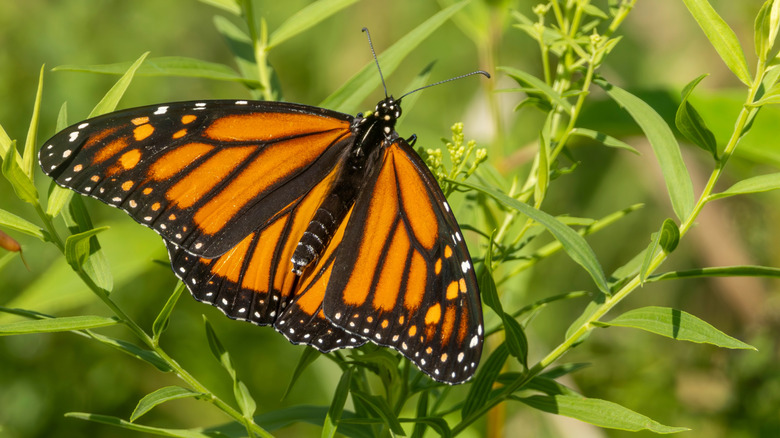
The secret to a garden filled with beautiful butterflies is planting the right types of flowers. They aren't too picky about the color of the blooms, though they do prefer bright shades of orange, red, pink, purple, and yellow. What's more important is the shape of the flower head. They like flat-topped flowers that give them a wide landing pad and easy access to feeding tubes. However, the best plants to attract butterflies are those that are nectar-rich natives. In fact, butterflies and other pollinators visit natives up to four times more often than non-natives. Additionally, butterflies rely on native plants as larval hosts. So, if you're looking for underrated spring flowers that check all of the boxes for butterflies, you'll want to add Geum to your garden.
Commonly known as Avens, geum is a genus in the rose family that comprises over 50 species. It's a long-blooming native wildflower that comes in butterfly-favorite shades, including orange, yellow, pink, red, and white. The saucer-shaped blooms emerge in spring and will feed butterflies through the summer. Not only will butterflies stop by for a drink, but geums also provide a place for some Lepidoptera butterflies to lay their eggs. You can find them in single and double flowers. However, double flowers are typically bred for ornamental appeal, so they usually produce less nectar for pollinators.
How to grow geum to attract more butterflies
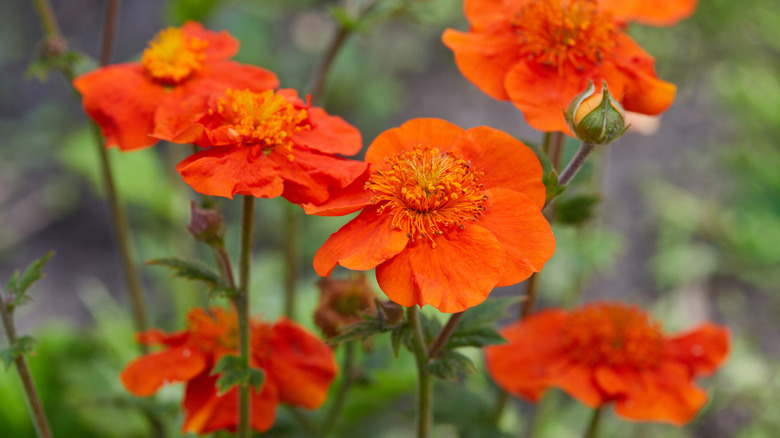
Geums are easy to grow, whether you add them to a butterfly garden, use them as a groundcover, or plant them in containers. They're hardy in zones 5 to 7 and do best in cool climates. Hot, humid summers can cause them to struggle. For best growth, plant them in a site with full sun to partial shade in moist, well-drained soil.
Because geums perform best with a cold stratification period, it's best to plant seeds in the fall or eight to ten weeks before your area's last expected frost. Alternatively, you can keep them in the fridge for three to four weeks and sow them in the spring. Once they've had their chilly winter nap, you can start them indoors. Use a seed starter mix and add a light dusting of soil over the seeds. Once the first sets of true leaves emerge, you can begin hardening them off by slowly acclimating them to sunlight. Then, they're ready to add to your garden.
You can also purchase young geum plants from the nursery. If you're landscaping a garden bed, space your plants 12 inches apart. Once established, they're relatively drought-tolerant. That said, give them a good watering during long, dry periods for the first few years as they establish. Deadhead regularly to give butterflies plenty of flowers through the season. However, you can let a few go to seed if you want to enjoy their pretty feathery seedheads.