

10 Perennial Flowers You Should Plant In May For Breathtaking Summer Blooms
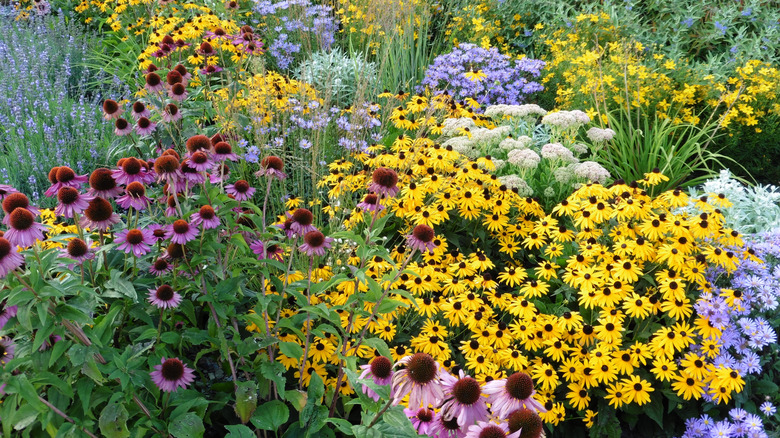
May is a long-awaited season for most gardeners. As the warm spring temperatures begin to rise, memories of the cold winter drift away, replaced instead by thoughts of a colorful flower garden. We aren't the only ones who enjoy the warmth that May brings, either: Some perennials aren't fond of the cool ground of early spring. Depending on your region, May is often the month when the soil warms up to 65 degrees, which is the temperature several flowering plants need to germinate. This is the perfect time to start scoping the garden section for flowers or sowing seeds in beds.
Although several perennials like a May planting, not all of them do. Plus, all flowers have different blooming timelines, so you'll need to plan accordingly. Luckily, you have quite a few options when it comes to summer-blooming plants that thrive when planted in spring. If you need some help planning your garden beds this year, this list will give you a good head start. Just make sure to base your plantings on your USDA hardiness zone, and check your soil temperature to determine the best day in May to get started.
Marigold
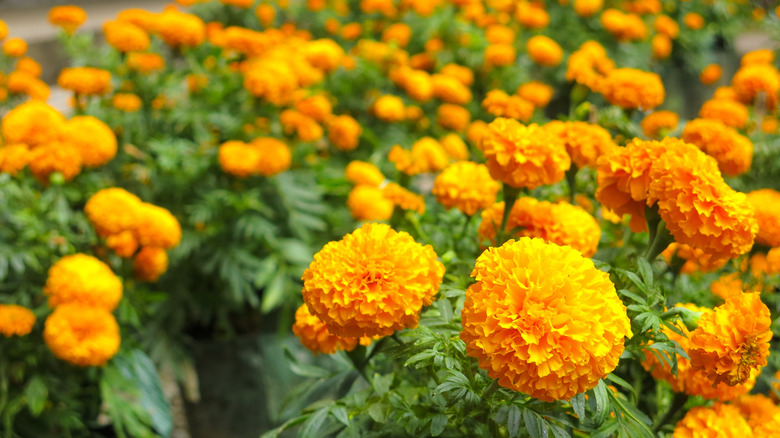
Marigolds (Tagetes spp.) are a dream flower for gardeners who want to see their beds bursting with blooms sooner rather than later. Their ruffly yellow or orange flowers bring in the butterflies, and the intense scent they emit can help keep deer out of the yard and garden. You can seed them directly in your garden once the soil warms up to 65 degrees Fahrenheit, which typically occurs in May in central regions of the U.S. Nursery or previously started plants can also be added to beds at this time. Depending on the variety, marigolds are hardy in USDA zones 2 to 11.
Purple coneflower
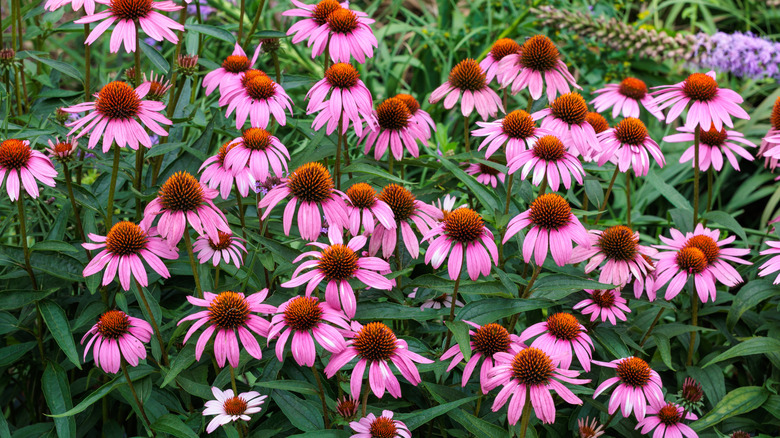
If you're the type of gardener who loves attracting wildlife to your garden, then you won't want to skip over the purple coneflower (Echinacea purpurea). Butterflies, bees, and other pollinators will flock to the bright purple blooms of this plant to drink the nectar all summer long. And once the flowers go to seed, goldfinches and other birds will stop by for a bite. Whether you prefer to sow seeds directly or purchase young coneflower plants, May is the perfect time to add them to your beds. This low-maintenance flower is hardy in USDA zones 3 to 8.
Bee balm
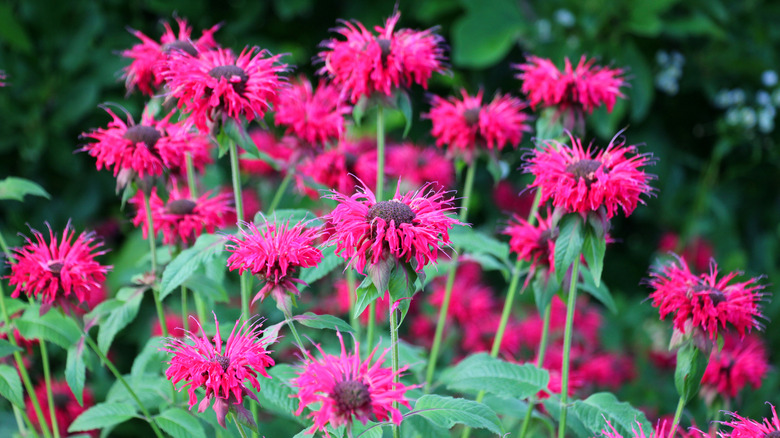
Bee balm (Monarda didyma) is a late-summer favorite of pollinators: In addition to bees, you can enjoy watching butterflies and hummingbirds sip from its nectar-rich blooms. This is an extremely frost-sensitive plant, so May is the perfect time to begin sowing the seeds. Just make sure the soil temperature is between 65 and 80 degrees Fahrenheit. With its showy, bright reddish-burgundy blooms, it makes the perfect addition to nearly any perennial bed in USDA zones 4 to 9.
Garden phlox
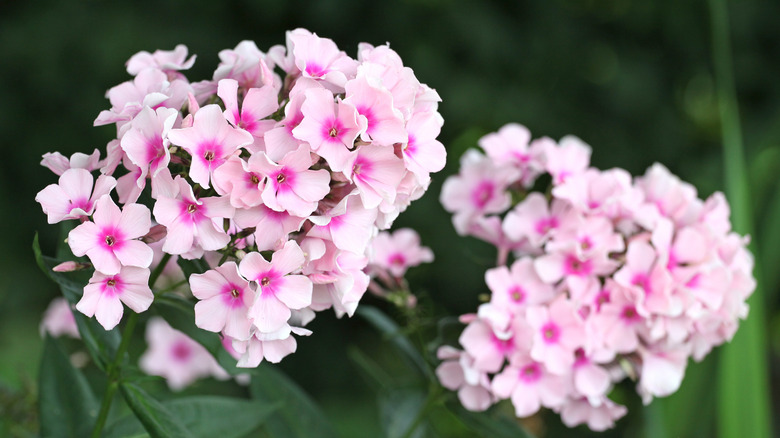
If you could only use one flower to add color to your summer garden, one of the top choices would undoubtedly be garden phlox (Phlox paniculata). This pretty perennial comes in nearly every shade of the rainbow, and there are several varieties that are hardy in USDA zones 4 to 8. Because it's trickier to grow from seed, the easiest way to add phlox to your garden is to purchase a cutting or young plant. If you do decide to plant seeds, May is the perfect time, as it likes soil temperatures around 65 to 70 degrees Fahrenheit.
Shasta daisy
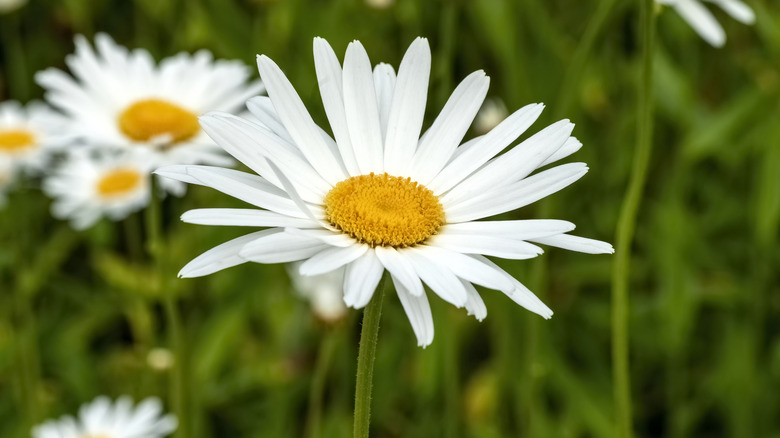
Although many perennials love a sunny location, Shasta daisies (Leucanthemum x superbum) will happily grow in partial shade. Not only do they look stunning from spring through summer, but they also make great cut flowers for floral arrangements. They're incredibly low maintenance, and even novice gardeners can easily grow them from seed. Shasta daisies germinate best when the soil is 70 degrees Fahrenheit, so late spring is the perfect time for planting. Add them to container plantings or perennial borders in USDA zones 4 to 9.
Daylily
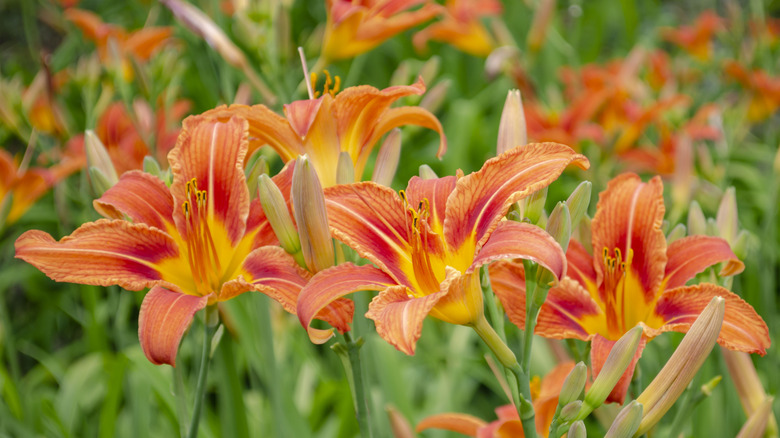
Despite their common name and appearance, daylilies (Hemerocallis) are not true lilies. However, as their name suggests, each of their flowers only blooms for a single day. Although short-lived, the showy flowers are worth planting, especially if you plant them in groups with staggered bloom times. Daylilies are best planted later in spring, as they will need extra care to protect them from unexpected cold snaps. They come in several varieties and colors, so choose a few favorites to spice up gardens in USDA zones 3 to 9.
Blanket flower
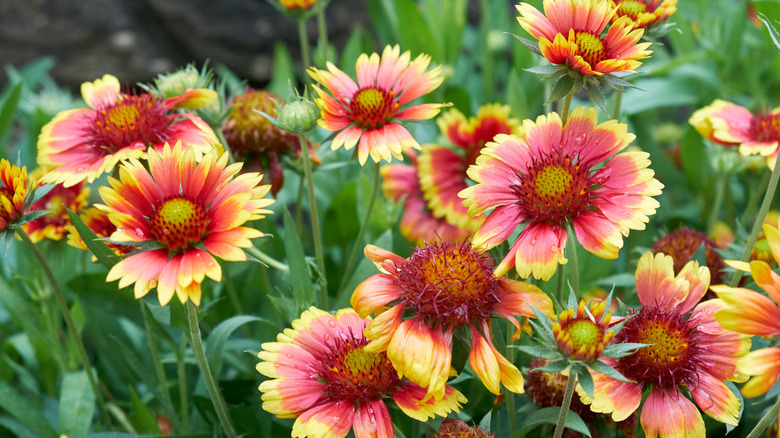
Blanket flower (Gaillardia aristata) is a sunset-inspired perennial that features rich red petals outlined with bright yellow edges. Although their eye-catching appearance may make them seem high maintenance, they're actually one of the easiest flowers to grow. As long as the soil is well drained, they can easily withstand drought, poor soil, and intense summer heat. In USDA zones 3 to 8, you can add them to your garden in May once there's no longer a risk of frost.
Black-eyed Susan
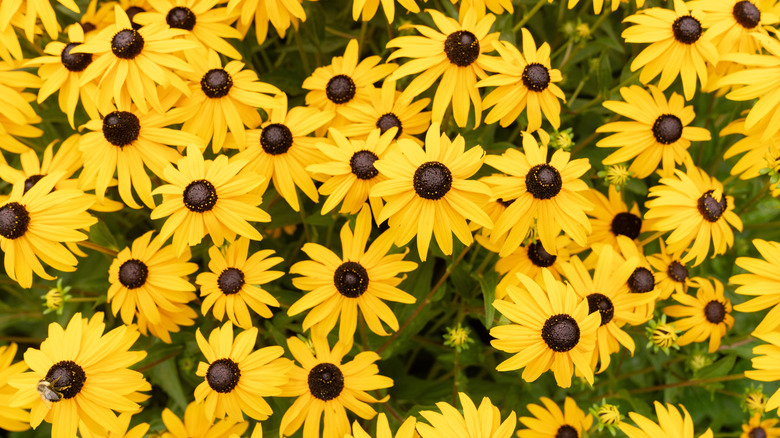
Black-eyed Susan (Rudbeckia hirta) is another popular garden flower, known for being a pollinator and bird magnet. It blooms the first year after planting, so some gardeners mistakenly assume it's an annual — but they needn't worry, as it'll return the following year in USDA zones 3 to 8. Black-eyed Susans benefit from a cold-stratification period. So, although May isn't when you should plant black-eyed Susan seeds, it is the perfect time to add young plants to your garden. Just make sure you plant them after the last frost in your region.
Columbine
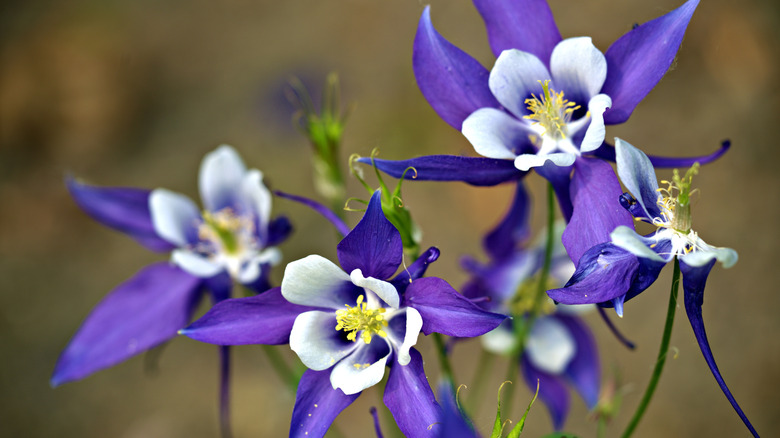
If you're searching for the best foundation plantings for shade, consider planting columbine (Aquilegia) in May. Although it can tolerate full sun with plenty of moisture, this plant thrives when grown in part shade. Once the soil temperature is 65 degrees Fahrenheit, you can directly sow columbine seeds. Make sure not to bury them too deeply so the sunlight can help them germinate. Alternatively, you can add new plants to your beds once the danger of frost has passed. These plants will thrive in USDA zones 3 to 8.
Tickseed
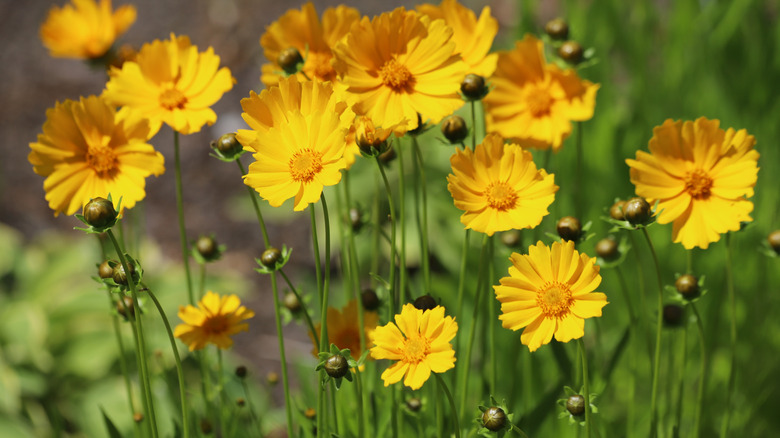
Don't let the common name fool you: tickseed (Coreopsis spp.) gets its nickname from the dark-colored, tick-like seeds, not because it attracts pests to your yard. It's another easy-to-grow flower that boasts sunny yellow blooms that often last from spring to fall. To grow tickseed, sow seeds once the soil warms up to 60 to 70 degrees Fahrenheit and nighttime temperatures stay above 50 degrees Fahrenheit. You can add it to garden beds in USDA zones 4 to 9.