

The One Big Mistake Everyone Makes When Planting Perennials
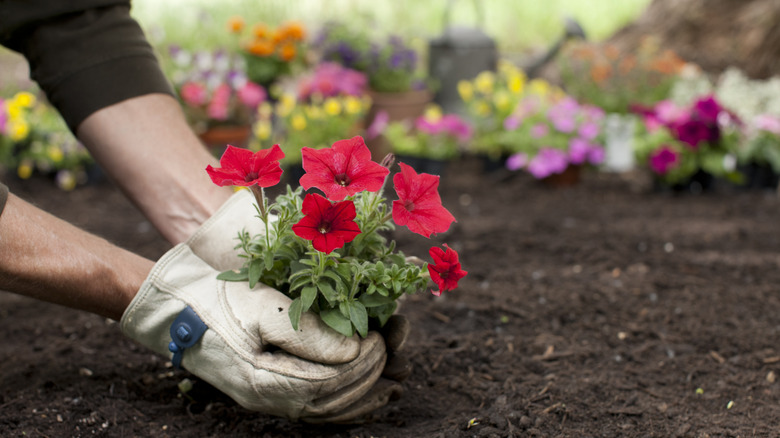
Perennial plants can keep your garden looking gorgeous for two years or more thanks to their longer lifespan — but only if you choose the right plants. And if you've been choosing perennials based on color, flower appearance, or even a whim, you're making a big (and very common) mistake that could prevent perennials from growing well. You aren't planning ahead and considering the USDA Hardiness Zone of the plants you choose, a key factor that can impact whether they thrive or fail to survive.
If you head to your local nursery or garden center without knowledge of your region's zone, you'll likely wind up choosing perennials based on their eye-catching appearance or the sunlight and water needs specified on their labels. And while those are also important details, it's a mistake that may lead you to buy plants that won't thrive in your region's climate or soil. The zones are mapped across the United States, and they are designed to help gardeners find perennials that will likely thrive in their specific locations. The zones are determined by a region's extreme minimum temperatures, and there are 13 zones in total — Zone 1 sees the coldest temperatures, while Zone 13 sees the warmest. With a bit of pre-planning before you shop for perennials or ready your garden for planting, you can learn your zone and avoid the major mistake of choosing plants that may not survive your local temperature range.
Use hardiness zone to find plants that will thrive in your garden
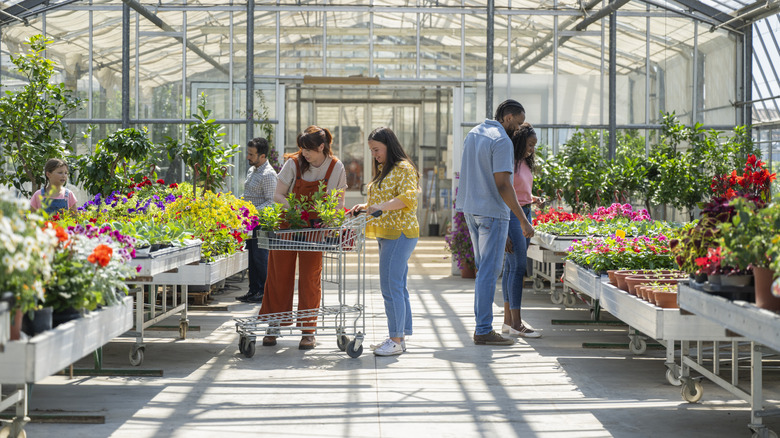
Before you start picking out perennials, you'll want to figure out which USDA hardiness zone you're living in. You can do this by entering your zip code on the USDA website. The map will provide not only the exact hardiness zone but also a temperature range from the last two decades for your region, so you can see the average annual coldest temperature in your area. For example, in Southern California, your zip code may determine that you live in zone 10b, which sees an average annual low of 35 to 40 degrees Fahrenheit.
Armed with this information, you'll be able to research and shop for plants that are able to survive your coldest temperature range. You can also search for plants or seeds that have a USDA hardiness zone designation for your particular zone (like plants and trees meant for zone 8).
Additionally, once you know your USDA hardiness zone, you'll be able to think ahead — and avoid that all-too-common mistake of failing to plan — as you consider when to plant your perennials. Knowing your zone can help you decide when to plant, as you'll be able to estimate when freezing temperatures will arrive. In colder zones, the planting season will be shorter; warmer zones can allow gardeners to plant perennials multiple times per year. Just don't forget to take other garden factors in mind, too, such as how much shade your garden gets and how much sunlight the perennials you're considering will require (or need to avoid!).