

16 Things You're Probably Recycling Wrong
Like most people, you probably assume you mastered the art of recycling bottles, cans, cardboard boxes, milk jugs, and many more items years ago. Sure, you can recycle absolutely everything in your house — but you probably aren't recycling most items correctly at all. Although recycling seems pretty straightforward, thanks in part to handy helpers like clear recycling labeling on certain products, it's actually much more complicated than most people realize. Many of us assume that paper, plastic, and cardboard goods can all be recycled, but when you dig into the details, it turns out it's very easy to make mistakes. And odds are pretty high that you're recycling quite a lot of common items — including paper coffee cups, disposable straws, and pizza boxes — the wrong way.
Yes, you read that right: There are wrong ways to recycle. Most of the errors we make in our attempts to recycle items at home cause a problem because they contaminate other recyclable materials. If non-recyclable items wind up in the bin alongside recyclable ones, the entire batch goes to waste and nothing in it can be recycled. Making small mistakes — or recycling the wrong items — can wind up unexpectedly sending your waste to the landfill instead of the recycling plant as you'd intended. So, before you drop another item into your recycling bin, find out which all-too-common items you're probably recycling wrong.
Plastic bags
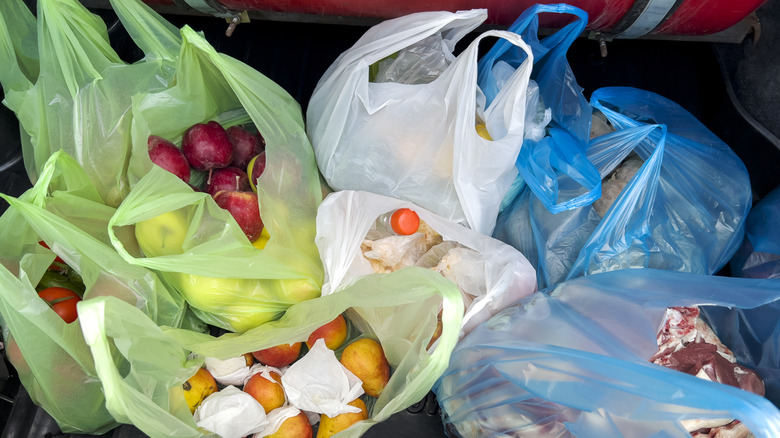
Plastic bags have long posed an environmental challenge, which is why some states have moved away from them (and so many of us rely on reusable totes now instead). If you do happen to have plastic bags and you've been dropping them into your bins at home, that's a mistake. While plastic bags can be recycled, they shouldn't be placed in the bin for curbside pickup because these thin, flimsy bags may jam the machines that sort other recycled household goods. Instead, you'll need to take your plastic bags to a designated recycling location, such as the store you got them from.
Paper coffee cups

If you've been tossing your disposable paper coffee cups from your go-to coffee shop in the recycling bin, you should stop. While these seem recyclable, paper coffee cups often have a subtle plastic inner lining that poses a problem. If that kind of lining is present inside a cup, odds are it can't be recycled because the plastic can't be separated from the cup's other materials. There are some exceptions, though. In select cities, you may actually be able to recycle these cups, so it's best to check if your city's recycling programs can handle that plastic lining.
Coffee pods
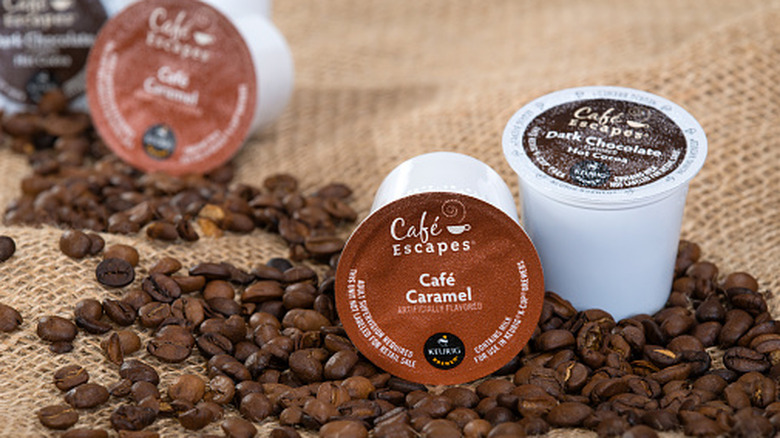
If you rely on a pod-based coffeemaker to brew your caffeinated beverages, odds are you wind up tossing out a lot of coffee pods. While a lot of people do not think twice before grabbing a Keurig, take note that although K-cups and coffee pods are made with typically recyclable materials like foil and plastic, the pods themselves are not always recyclable. While strides have been made to use recyclable materials for these little pods, they can only be recycled if you remove the foil lid and remove any remaining grounds. And even then, odds are your pods won't be recycled — often, the pods are too small for recycling facilities to utilize or properly sort.
Paper straws
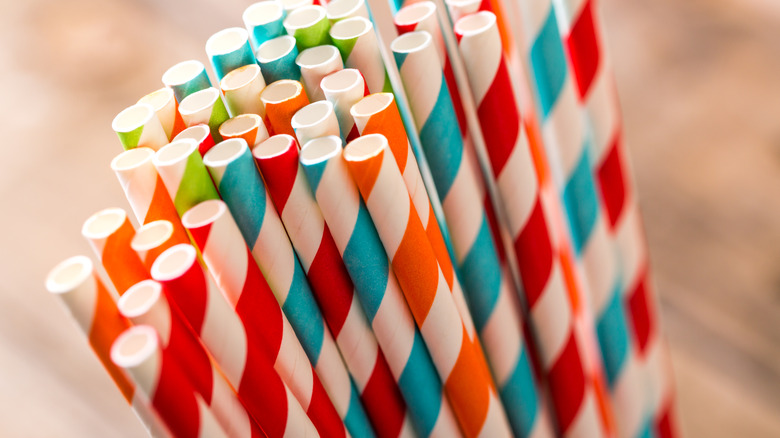
Paper straws have become popular because they're supposedly more eco-friendly than their plastic counterparts — but if you've been tossing your paper straws in your home recycling bin, odds are you're making a mistake. Paper straws can't be recycled through at-home (or curbside) recycling programs. There are a number of reasons for this, including their small size (which poses a challenge for recycling centers and their sorters) and the fact that these straws do tend to degrade as they're used, which destroys the paper fibers that are needed for recycling.
Light bulbs
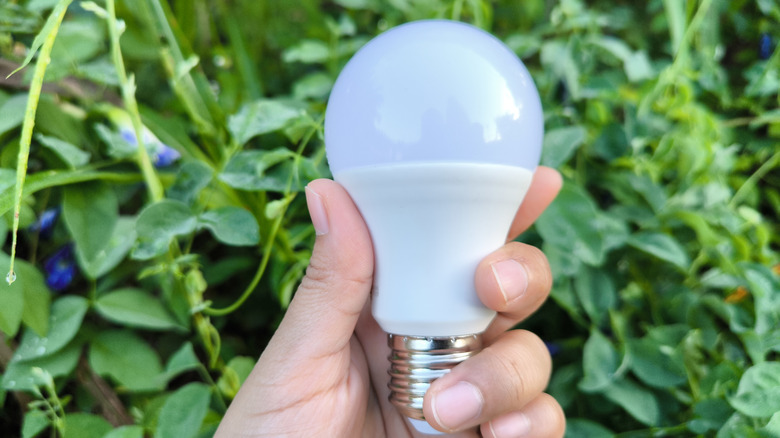
The next time you swap a burned-out light bulb for a new one, don't toss the old one in your recycling bin — or even your trash bin. These household essentials are kind of complicated when it comes to disposal. Light bulbs are made of a lot of different materials, and some can be recycled while others cannot. For example, fluorescent light bulbs or tubes and any that might contain mercury can't be recycled curbside; instead, they need to be taken to a designated recycling or disposal center. Some states may even stringently require that you follow specialized light bulb recycling processes.
Disposable plastic utensils
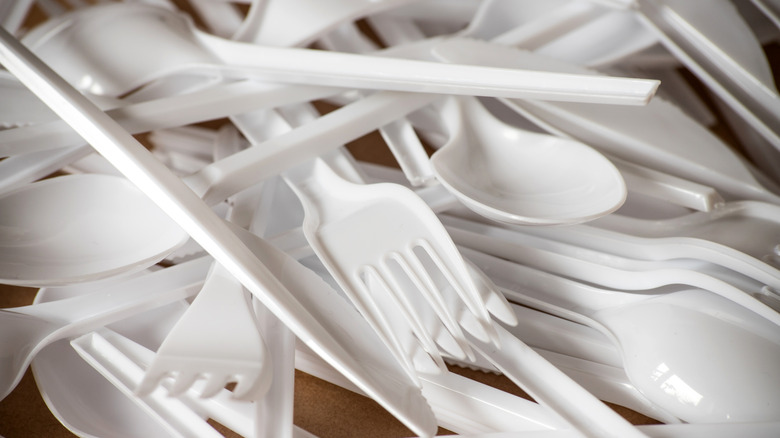
Think your plastic disposable utensils can be tossed in the recycling after you're done using them (and rinse off any lingering food, of course)? Think again, because these forks, spoons, and knives actually aren't recyclable. There are two reasons for this. First, plastic utensils are often made out of hard-to-recycle materials like polystyrene, or Styrofoam as it's commonly known. Second, utensils are small, made out of varying materials, and difficult for recycling centers to sort, which means the wrong kind of plastic can wind up contaminating a whole batch of other items that are able to be recycled.
Pizza boxes
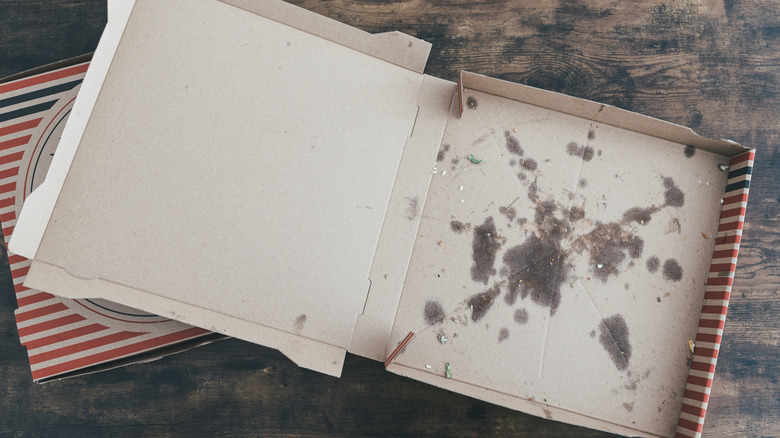
Pizza boxes might seem like pretty straightforward items. They're made out of cardboard, so it's easy to assume there's no issue with tossing them in your curbside recycling bin. But it's actually a bit complicated. According to the EPA, pizza boxes are perfectly fine to recycle. But pizza oil and grease can pose problems for some cities' recycling programs, as those substances can contaminate the cardboard and make it unrecyclable. Check your local recommendations: In Orange County, no grease is allowed, but in New York City, a small amount of grease is fine but if it soaks through the cardboard, throw the pizza box in the trash instead.
Packaging materials
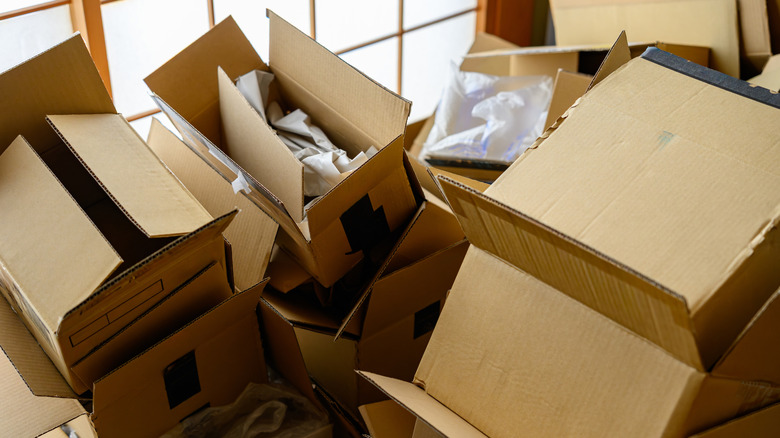
If you open up packages and drop everything — from the cardboard box to the paper or plastic cushioning stuff inside — you're making a common recycling mistake. While cardboard is certainly recyclable, the other packaging materials you encounter might not be. To dispose of Styrofoam, don't put it in your curbside recycling bin; most local recyclers can't process the material. Instead, it needs to be dropped off at a dedicated collection spot. Similarly, bubble wrap and bubble wrap mailers can't be recycled curbside and need to be taken to a drop-off center.
Styrofoam food containers
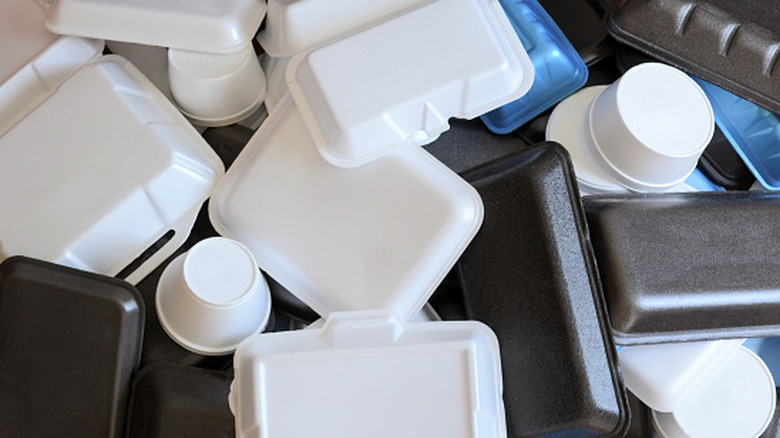
Food containers made from styrofoam are even more unsuitable for curbside recycling. Not only are they made of a material most local recycling centers can't recycle, styrofoam food containers are also porous. As a result, it's difficult to thoroughly clean out all of the food remnants and residues, thus increasing the chances of bacteria forming. This can prevent the containers from being able to be recycled, unless by special foam recycling facilities.
Chip bags
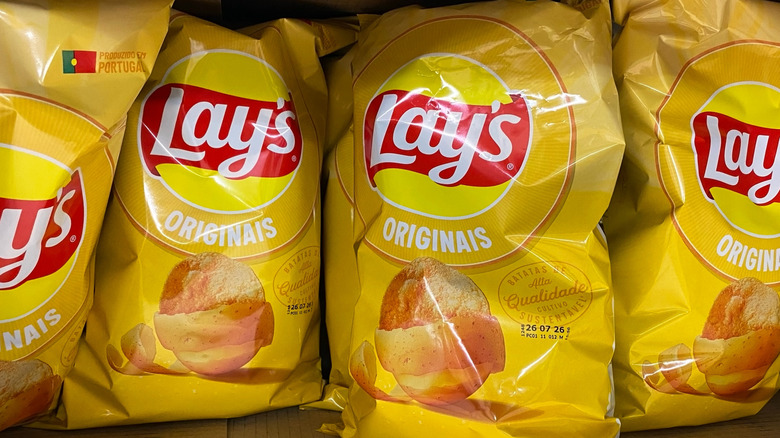
Have you been tossing empty chip bags in your at-home recycling bin for curbside pickup? Unfortunately, that's another mistake. These bags are made out of far too many materials for your local recycling center to be able to process them. A single chip bag can contain multiple types of plastic (commonly polypropylene and polyethylene) as well as an inner layer of aluminum foil to protect the crunchy snacks inside. Recycling centers can't separate then sort these materials, so you're better off throwing them in your trash.
Receipts

Yes, receipts are made out of paper, and they seem like an obvious thing to recycle. But there's a catch: Most physical receipts are not actually recyclable goods. The reason? Receipts don't use typical paper, but rather shiny, specially-treated thermal paper — and thermal paper uses bisphenol-A (BPA) that renders it unable to be recycled. If they get mixed in with recyclable goods, those receipts can wind up contaminating the batch and impacting how much else is able to be broken down and repurposed.
Plastic shower curtains and liners
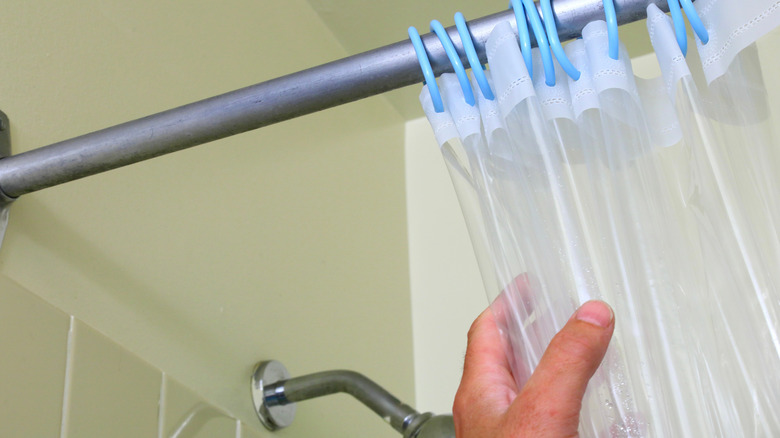
If your plastic shower curtain liner or shower curtain is at the end of its lifespan, don't make the mistake of trying to recycle it. Yes, it might be plastic, but these bathroom essentials are a hard-to-recycle kind of plastic that could pose problems if placed in your curbside recycling bin. Typically, shower curtains and curtain liners are made out of polyvinyl chloride (PVC), a material that many local recycling centers can't process. Plus, PVC is made with additives like plasticizers that can wind up being released during the recycling process and then contaminate other recyclable goods.
Cables and cords
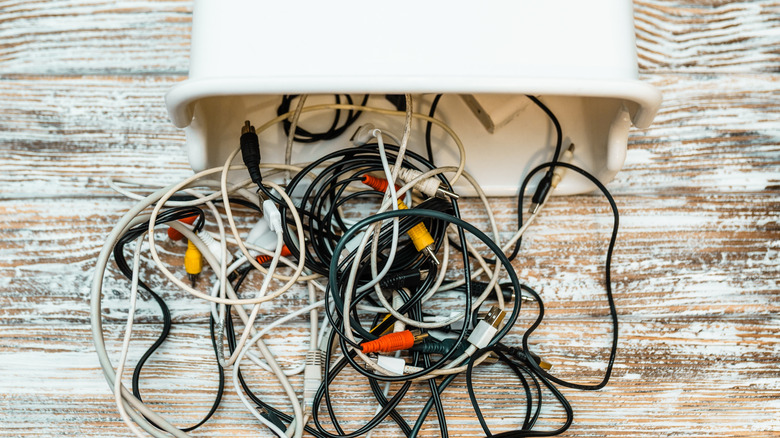
We all have random cords, cables, and old chargers lying around at home — but don't think you can simply dump these into your recycling bin when you've decided to declutter. In fact, they can't be put in your recycling or trash. Cords and cables are considered e-waste, and they can contain lead, copper, or other materials that could be harmful if not disposed of in the right way. They can ultimately be recycled, but you'll need to hand them off to a special e-waste collector in order to ensure they're handled properly and safely.
Glass drinkware and bakeware
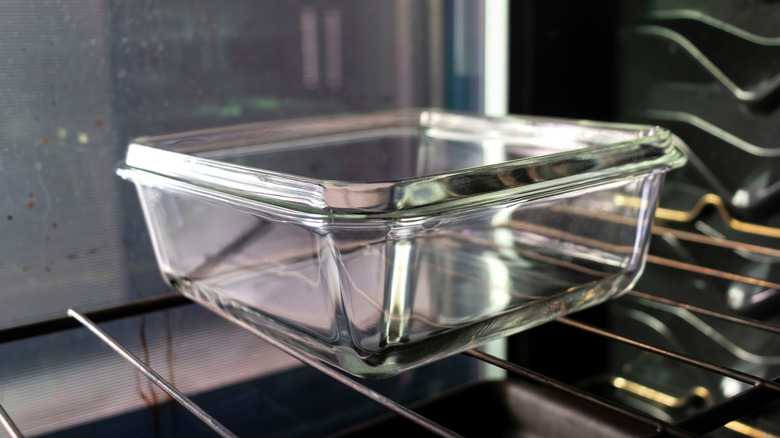
Glass is generally easy to recycle, thanks to the material's ability to be melted down and repurposed. While you can toss glass bottles and jars into your home recycling bin, you're not supposed to drop in glass drinkware or bakeware. It all comes down to their varying compositions. Drinkware typically has a different melting point than, say, the glass jars for store-bought pasta sauce. Similarly, glass bakeware is specially constructed to have a high melting point. That means these glass goods won't melt at the same rate as others, so it's best to donate good ones and safely trash broken ones.
Hardcover books

If you have books at home that aren't in good enough condition to pass off to friends or donate to a thrift shop (or even a local Little Free Library), you might think about dropping them in your recycling bin. Books are made of paper and little else aside from the glue in their bindings. But you should think twice before you toss any hardcover books in for curbside recycling. Hardcover books can be recycled, but only if you remove their covers first. City recycling facilities may not be able to handle how tough those hard covers are.
Aluminum foil
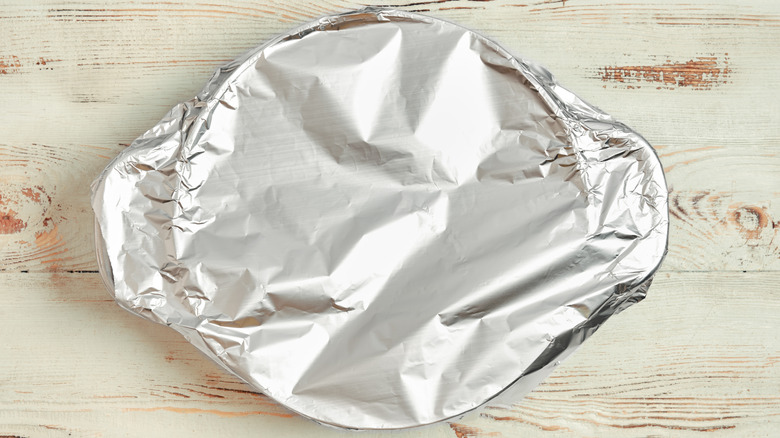
Aluminum foil seems straightforward — after all, you can toss other kinds of aluminum in your recycling bin like soda cans without worrying. But this kitchen staple is actually quite tricky, and whether or not it can be recycled varies quite a bit from city to city. If your city does accept aluminum foil for recycling, it's important to note that you'll need to clean off any used foil; food residue will make it ineligible for recycling.You can also roll your foil into a ball before tossing it in the recycling bin so it's a bit easier to process.