

Check For This Common Roof Problem Before Spring Showers Make It Worse
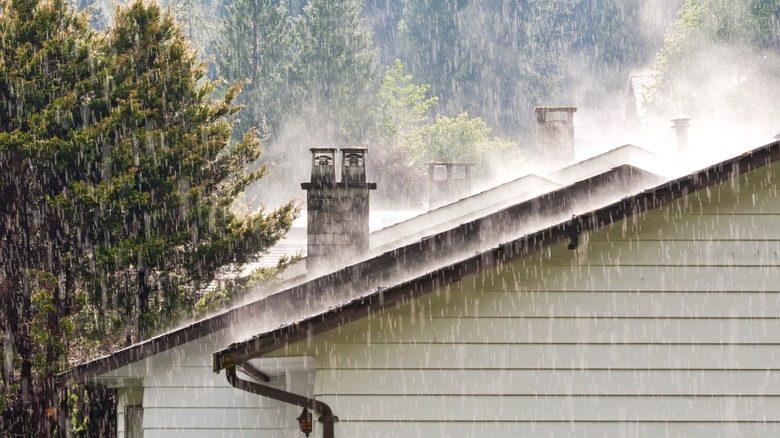
Roof maintenance is one of those things that is easy to put off until you have a problem. While there are plenty of easy ways to extend your roof's life, if you leave it too long without proper maintenance, the costs can really add up. According to Angi, the average roof leak repair will set you back between $360 and $1,550. Spring is one of the most common times to discover a leak, so it's a wise idea to check for one common roof problem — damaged shingles — before spring showers arrive.
The issue actually begins during the harsh winter months, which often bring with them heavy snow, thick layers of ice, and sudden temperature dips. These conditions begin a cycle that is particularly hard on asphalt shingles. Cracked or lifted shingles can be a common issue if you live in an area that frequently goes through freezing and thawing periods. Not only does this increase the risk of ice dams on the roof's edge that direct melting water straight into gaps in shingles or under the flashing during the winter, but moisture and expanding ice can also loosen nails, weaken the adhesive that holds shingles in place, and damage their protective granules. The affected shingles won't just make your roof look visibly deteriorated when spring arrives. They'll also make your home more likely to experience leaks when it rains. Add in any fallen leaves or winter debris that will trap water and create the perfect conditions for roof rot, and it becomes absolutely crucial to check the state of your roof as early in the spring season as possible.
Check your roof for cracked or lifted shingles this spring
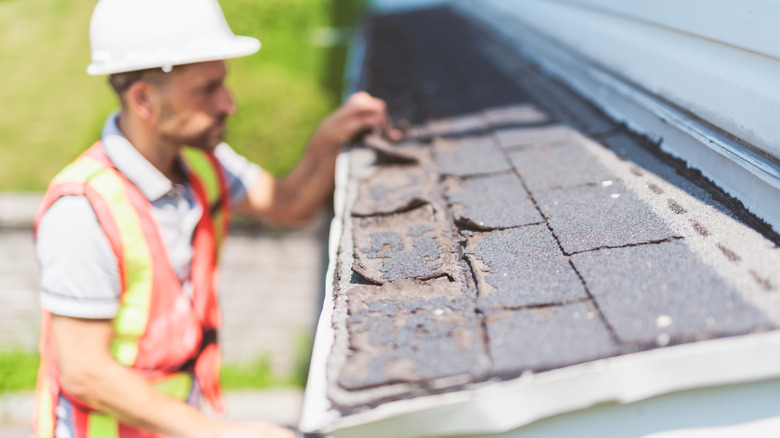
To avoid an expensive leak when those spring downpours hit, it's a good idea to clean the roof of winter debris and regularly check the state of your shingles early in the season. Take a close look for any cracked or lifted shingles. If you notice spots that are starting to curl up or the shingles have shifted, examine the decking underneath to make sure it isn't getting soft from constant moisture exposure. You should also keep an eye out for any mold, algae, or moss growth. It is possible to remove moss from a roof, but spotting it means you have a moisture or ventilation issue that needs to be addressed.
While you can repair or replace a few cracked or lifted shingles yourself, there are some telltale signs that it's time for a new roof. If only a few shingles are buckling, it could be that your roofing installer didn't drive in a few nails far enough or in the right place. But when most of your shingles are curling up around the edges or missing entirely, the wooden decking below may have trapped moisture that could be catastrophic to the entire structure of your home.
Winter weather can slowly cause issues over time, and since asphalt shingles have a typical lifespan of around 15 to 20 years, fading and weakening should be expected as they age. Most roofing companies will offer free or low-cost consultations to discuss whether a repair or replacement is appropriate for your situation. Whether you spot a few lifted shingles or you've got a suspicious spot on your ceiling, it's a good idea to call in the pros if you think there's a chance of a roof leak.