

This Easy-To-Grow Herb May Help Keep Squirrels At Bay In Your Garden
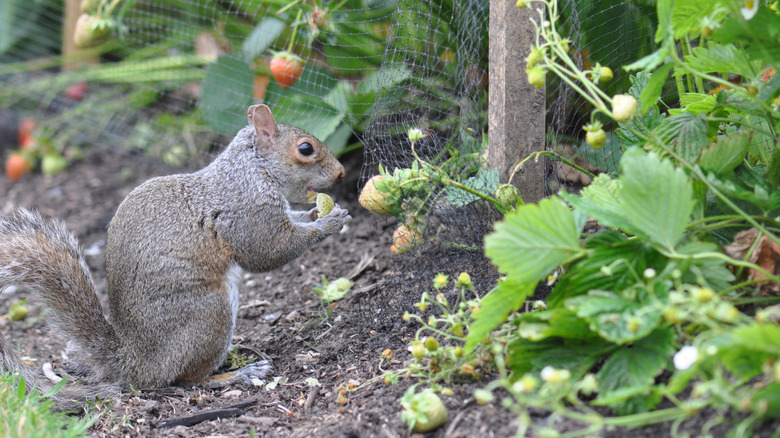
Keeping unwanted wildlife out of your garden can seem impossible, and squirrels are no exception. These rodents are incredibly intelligent, and they have a reputation for stealing bird seed, digging up tubers and bulbs, and even eating berries and fruits before you even knew they existed. Due to their mobility and sheer athleticism, squirrels can quickly become a gardener's worst nightmare. But here's the fact: squirrel-proofing your garden requires a combination of tactics rather than just relying on a single barrier or deterrent. Mint (Mentha spp.) may be one possible deterrent you can add to your squirrel-proofing bag of tricks. The good news is that mint can quickly thrive in almost any garden, but you should also know that this easy-to-grow herb will likely not completely repel all squirrels from the area.
Mint is a popular herb to grow in gardens, suitable for novice and more experienced gardeners alike, and you might appreciate its fragrance. Yet it's thought that squirrels have the opposite opinion of mint, as they may abhor the strong scent of this herb. While using mint plants for squirrel prevention isn't scientifically backed, there may be some merit to mint oil's ability to repel squirrels. In other words, using mint plants is worth a try, but you'll also need to keep your expectations in check before proceeding. Keep mint plants away from pets, though, as they can be toxic if ingested in large amounts.
The best ways to use mint plants to help deter squirrels
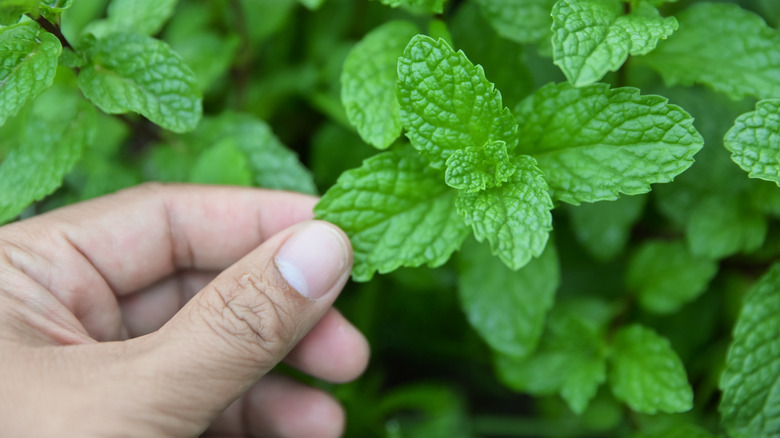
While repelling squirrels with peppermint oil is one way to use the scent of mint against these rascally rodents, this method involves you relying on whole mint plants. The catch is that mint needs to be used rather strategically for such purposes — simply setting out a mint plant in your yard will likely do little in the way of squirrel control. Mint might be used instead in conjunction with more reliable physical barriers, such as netting. In theory, using actual mint plants could work as a more no-fuss barrier, since you don't need to worry about spraying essential oils regularly or after recent rainfall. Just keep in mind that plant scents are likely not as potent as essential oils such as peppermint.
Before you attempt to plant mint around your garden beds, it's important to keep in mind that all species from the mint family are very invasive. For this reason, it's best to plant mint in containers and place them around your garden to prevent its weedy qualities. Choose containers that are at least 12 inches in diameter to allow the mint room to grow. Consider placing them around key areas where you see squirrels, as well as barriers near some of the plants you wish to help protect.
Also, keep in mind that squirrels may eventually get used to mint plants, so you will need to constantly keep them on their little toes. This may involve moving the plants around, adding more of them, or rotating them with other pretty flowers and plants that may prevent squirrels.
How to grow mint plants as part of a squirrel barrier
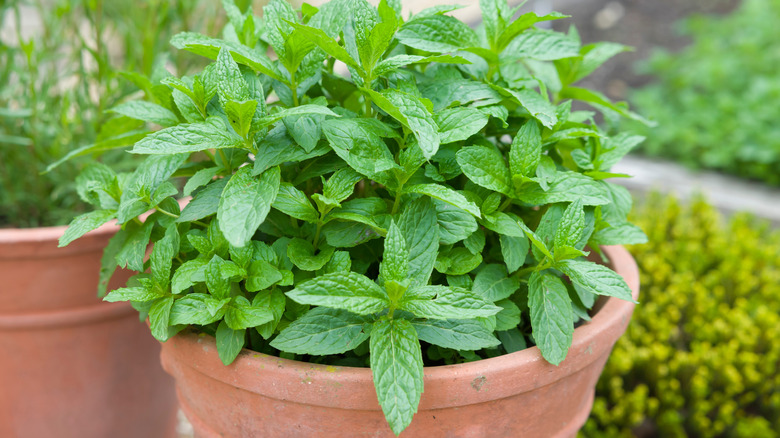
Before planting mint plants outdoors as squirrel deterrents, know that they are considered hardy in USDA Hardiness Zones 2 to 10. If you live in a cooler climate, you may wish to bring mint plants indoors before the first frost. Alternatively, you can grow mint in containers as annuals. Consider mixing things up in your garden by planting different varieties in containers, such as spearmint and peppermint.
There are also some key tips for growing mint to better ensure thriving plants that will maintain any possible squirrel-offending fragrances. Overall, mint has a reputation for being easy to grow. Most varieties prefer full sun and moist soil, though. Be sure your mint plants get at least six hours of direct sunlight per day, and water them whenever the soil feels dry to the touch.
Also, while you can start mint from seed at any time of the year indoors, you might consider buying small, established plants from your local garden center instead if you're trying to add the plant to your squirrel-proofing plan sooner rather than later. You can easily transfer the plants to different containers with an all-purpose potting mix and place them anywhere around your garden you're trying to protect from squirrels. Monitor your mint and related squirrel activity, and adjust the plants' location to see if this makes a difference.