

Don't Throw Out Old Plastic Pots: 11 Genius Ways To Reuse Them Around Your Garden
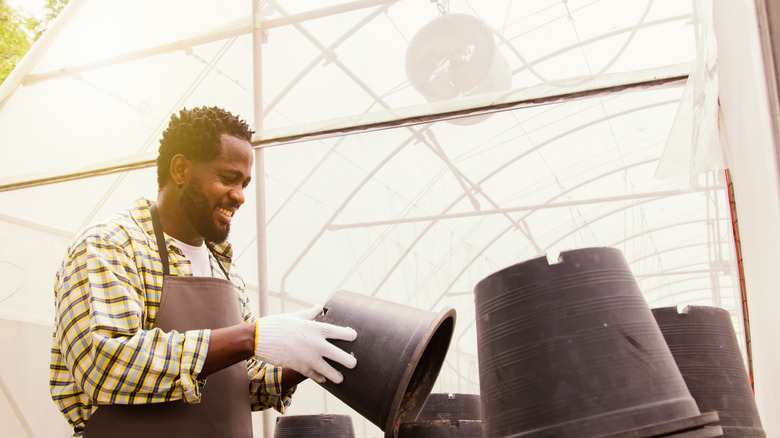
Gardeners are perhaps more burdened than the average citizen with a keen awareness of their impact on the environment. It's natural enough; spend enough time with your hands in the dirt and you start paying attention to what's in that dirt. This can make us examine some of our habits more closely, and one of the habits that needs examination is how we dispose of the "disposable" plastic pots that purchased plants tend to come in. Why throw a pot out when you can use it for something practical like storing tools, dispensing twine, or making your watering more efficient?
There's a good chance that your local curbside recycling program will not accept these pots, and even if you're lucky enough to have a big-box garden store with a take-back program for them, it's wise to have a go at reusing them first. You can, of course, reuse them for other plants... potting up young plants grown from seed, perhaps, or for transplants or propagating cuttings. But if you acquire as many of these plastic pots as most gardeners do, you should still have plenty left over for other needs.
Sometimes those other needs are actual needs, like reducing potting soil waste, protecting plants from pests, or encouraging pollinators. Other times, you can upcycle old plastic pots to create charming garden decor or other nice-to-have projects like decorative plantings and bird or butterfly houses. There's a lot of good ideas, and here are a handful of them.
A waterfall of flowers
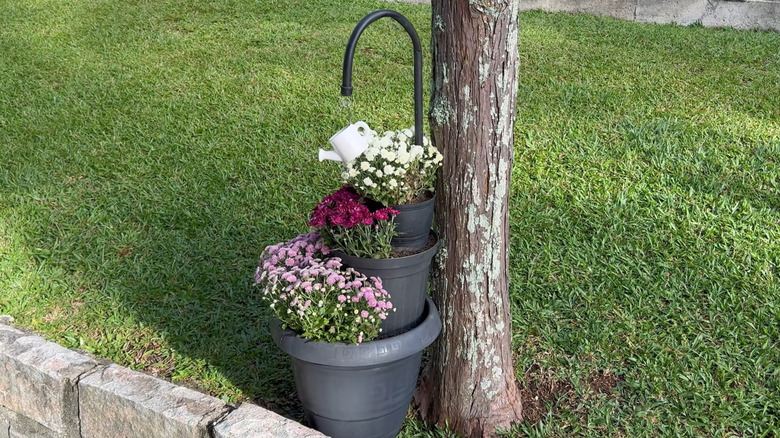
This hack creates a three-tiered planter using five pots. Hey, whoever said gardeners were good at math? It works like this: find a large, medium, and three small pots, and sit the large one somewhere you won't be tempted to move it from. Upend a small pot inside the large one, on which you'll sit the medium pot. Inside that, place another inverted small pot as a perch for the final small pot, which is right side up. Add potting soil and plants to each of the three upright pots, and you have a virtual wedding cake of flowers for the season.
Save precious potting soil
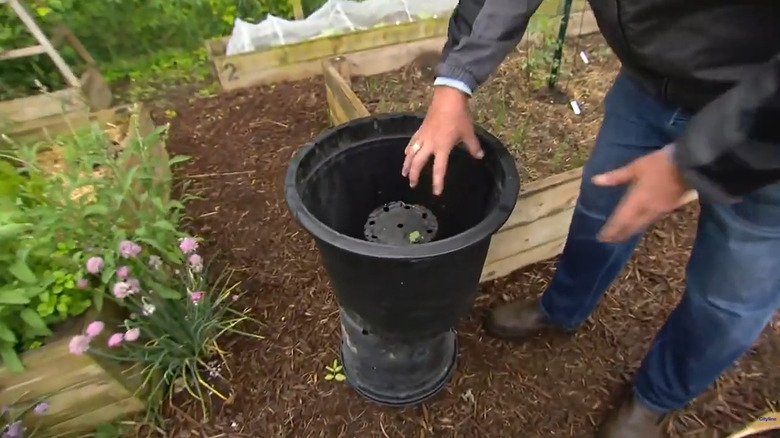
Turning a pot upside-down in another pot doesn't just give other pots a shelf to sit on. You can also use this technique to create a bunch of air space in a large planter that you then don't have to fill up with expensive potting soil, if your particular plants don't need it. The upended pot also creates a pocket of air within the potting soil that can be a beneficial source of air to roots when, for example, the soil is waterlogged and air can't get through.
Easy tool storage
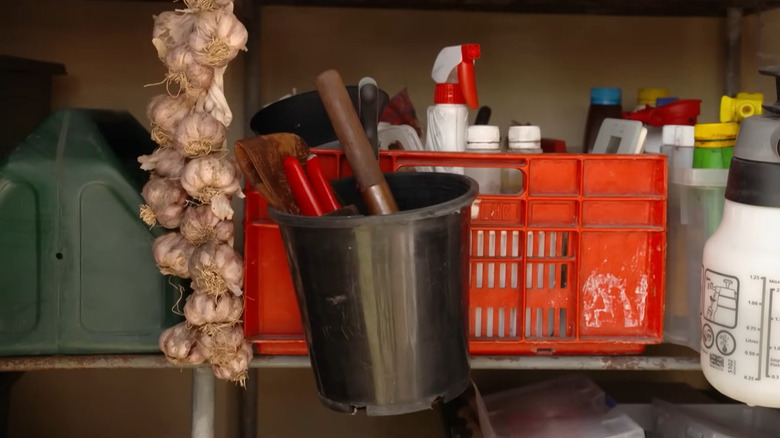
Let's see, where did we put that cultivator? The question sounds familiar because every gardener since Eden has put a tool down and lost track of it... probably thousands of times. Use spring clamps to attach plastic pots to, well, everything in your garden — benches, plant trays, garden carts, trellises, the sides of raised beds, etc. Whenever you need to put a tool down, put it in the nearest pot. At least you'll reduce the number of places you have to look when you forget what pot it's in.
Twine dispenser
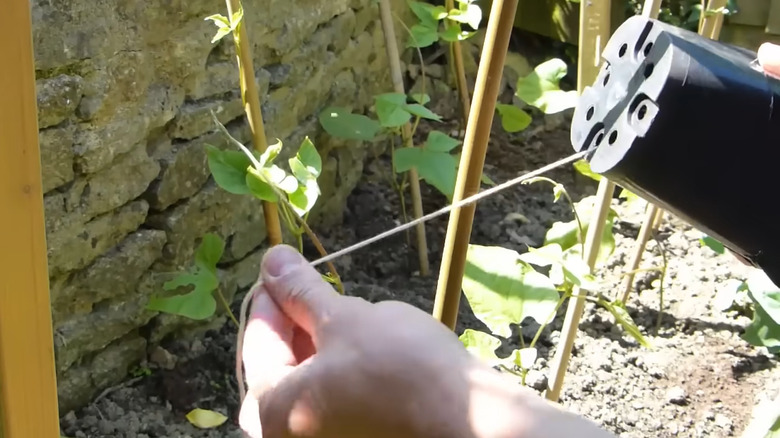
It can be frustrating to spool out a bit of twine when you're working on trellises or any of a hundred other garden tasks. The twine usually wants to run away from you, doubling the number of times you have to stand and squat again to get the day's work done. For a helpful twine dispenser, just put your twine in a small-sized plastic pot, feed the tag end through one of the drainage holes in the bottom, and tape or otherwise seal the main opening.
Hanging bird house
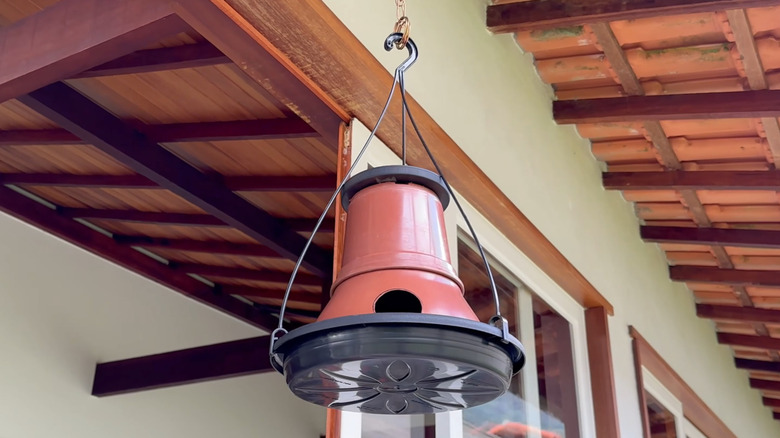
A birdbath is just a day trip for your avian friends; a bird house makes it a season-long getaway. You'll start with a hanging plant tray (the kind that does under hanging pots), complete with hanger. It's probably a good idea to create holes in the tray (the same way you drill holes in the bottom of a plastic pot) for drainage, if holes are not already present. Upside-down inside this, place a pot that takes up most of the available space, then cut a hole in its side that's appropriate for the bird you want to attract. Don't forget to waterproof the top.
A bird or butterfly house
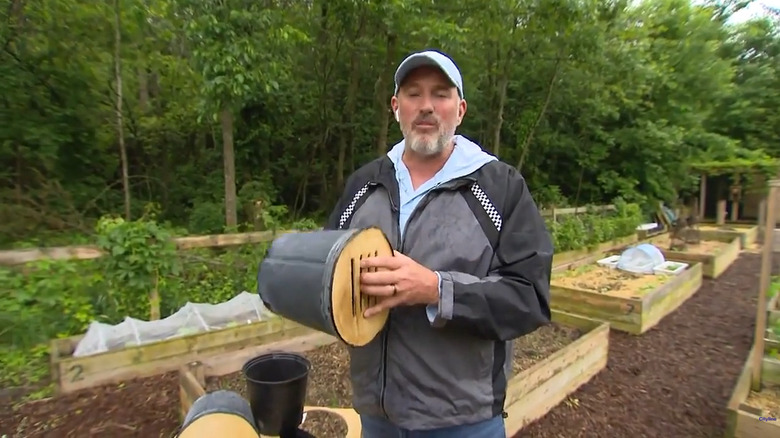
The trick here is to cut some wood that fits in the top of your plastic pot, then either drill a round hole for bird access or a series of slots for butterflies and moths. Start by turning the pot upside-down on a bit of thin plywood and tracing its diameter. Cut following the outline and treat the wood with something safe like raw linseed or tung oil. Hot-glue or tack it into place with brads. It should last for at least a season, and it only takes a few minutes to make.
A seedling collar
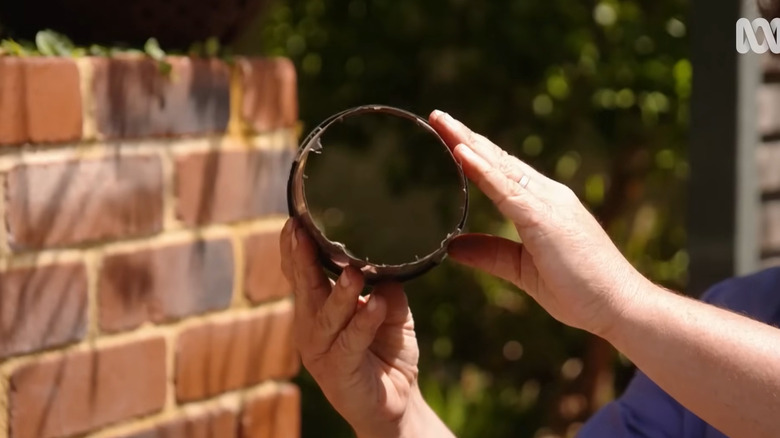
The value of a hack isn't always about the amount of effort you put into it. This trick lets you, with a few seconds of work, create a barrier that protects your tender seedlings against destruction by garden pests. Simply remove the bottom out of a disposable plastic pot and embed the cut pot around your seedling. This will protect the plant from at least some crawling pests. This hack works with both round and square plastic pots.
Water reservoir halos
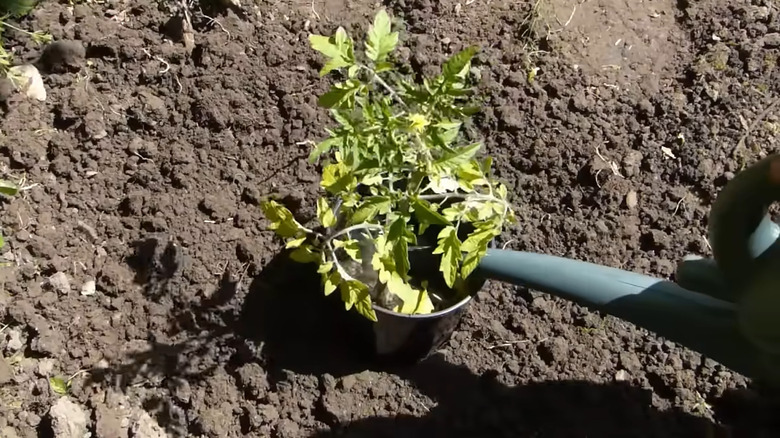
This trick also has you cutting the bottom out of disposable plastic pots, but for an entirely different purpose. Sometimes, your soil or other conditions will cause water to run off or be absorbed into the ground too quickly for your in-ground plants to get full benefit of it. Bury your de-bottomed pot a bit deeper around plant and fill it when you're watering. It will keep the water closer for just a bit longer, which might make all the difference for your plant.
Slow-motion waterer
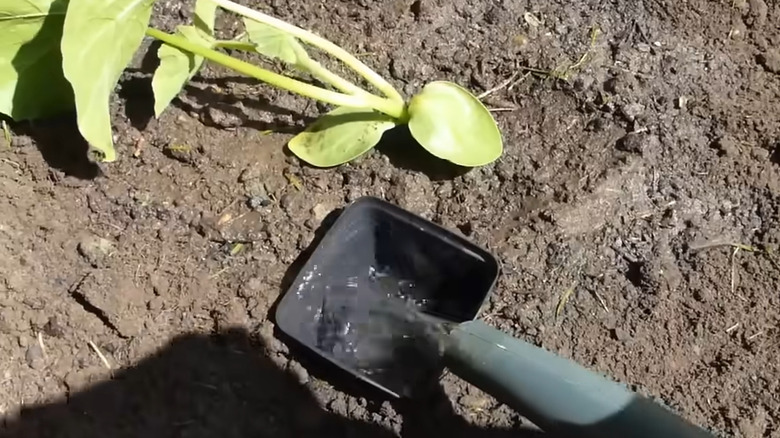
Another way to give your plants a little more time to absorb water using a plastic pot is to simply bury an empty pot near the plant that needs the assist. At watering time, fill the pot in addition to wetting the soil around the plant, and in most circumstances the water will drain out of the plastic pot's drainage holes and into the soil a little more slowly, prolonging the plant's access to water just a bit.
A handy collection bucket
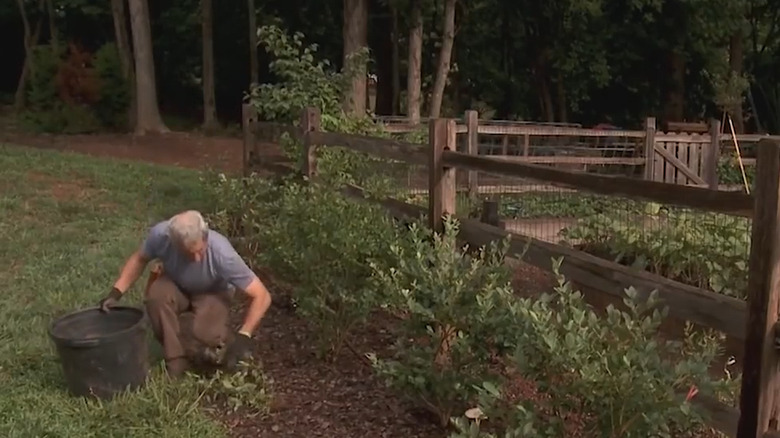
Sometimes you change the pot, sometimes you change what you do with the pot. Rather than putting growing plants in your large plastic pots, why not keep a few on hand to use when you're doing garden maintenance tasks like cleaning up or moving soil amendments around? If you're thinking you'd just use a bucket for this, consider: How big is your largest bucket, and how big is your largest plastic pot? Chances are, you'll carry a lot more in the biggest pot, and that means fewer trips and getting more work done.
Bug hotel
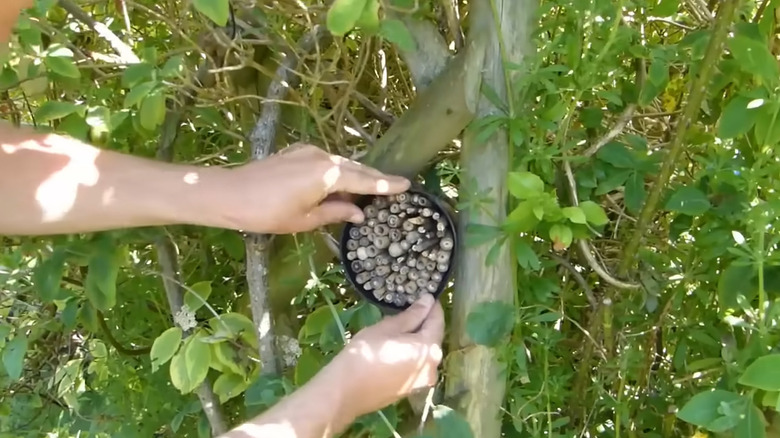
Attracting beneficial insects like bees is part of gardening, but it sometimes seems like everyone else is busy waging war against the same critters you're trying to attract. Asides growing plants that help pollinators do their job, consider getting them a house too. To give them an easy home, fill a plastic pot with bamboo or other hollow, durable stems and locate your new bee house under shelter to protect the house and the bees. Add a hook to allow you hang your bee house from a tree. This trick also works with square-bottomed pots.