

Does The Fake Wasp Nest Trick Actually Work? What Experts Want You To Know
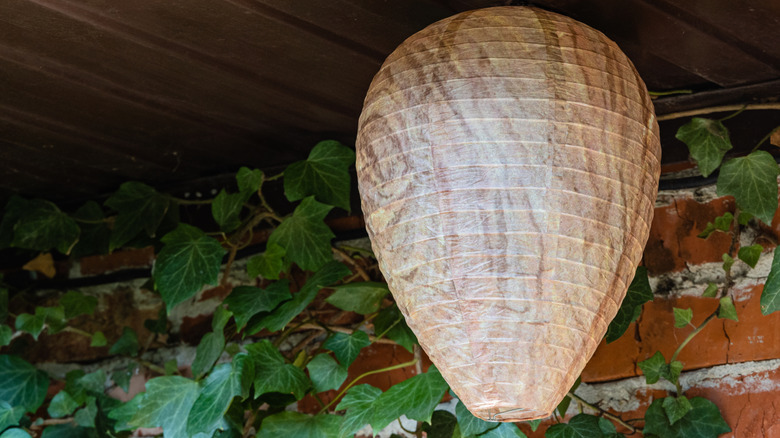
When you're terrified of wasps, you'll do just about anything to keep them away from your yard. There's tons of advice online about deterring these stinging pests, and hanging a fake nest is often recommended as a wasp repellent. However, there could be limitations to this DIY pest control hack. Scott Svenheim, an ACE-certified Hybrid Education Facilitator with nearly 40 years of experience at Truly Nolen, spoke exclusively with Hunker about how successful decoy wasp nests are for deterring these stinging insects. He explains that a fake nest can only be effective depending on the type of wasp you're trying to repel. "First, decoy/fake wasp nests are species-dependent and only work (with a limited unconfirmed success) for wasps that are social and territorial and use sight for nest location," he says. "Paper Wasps are the species that they may work for. Hornets, Yellow Jackets or Mud Daubers will not relate to that nest, so they won't work."
Though decoy nests are sold in some retailers and are thought to keep these territorial bugs at bay, Svenheim notes that this method is not guaranteed to keep wasps out of your yard, even with less aggressive paper wasps. In some cases, when and where you hang the decoy could affect its success, according to Svenheim. "Timing is also important — decoy wasp nests are only preventive, and not reactive answers to wasps," he says. "So, [they have] very hit or miss results at best."
Expert alternatives to decoy nests for repelling wasps
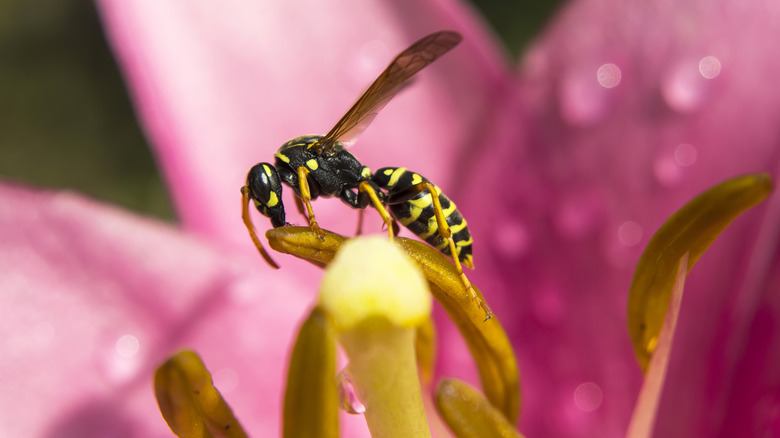
While decoy wasp nests may not be the best way to repel wasps and can have inconsistent results, this pest control method is fairly common. Scott Svenheim spoke exclusively with Hunker about why people so often hang these DIY nests outside their homes. "Companies are always looking for a way to make money — effective or not," he says. "And, homeowners are often looking for a 'quick fix' alternative when they don't like the real answers given by pest control professionals."
Instead, Svenheim has more thorough advice for preventing and getting rid of wasps. "Modifications to the property are really the only effective methods," he says, adding, "Paper Wasps choose nesting sites in protected areas near where they get everything they need to survive and breed." Rather than taking a chance on a decoy, Svenheim recommends eliminating sources of water that may be attracting the wasps, or considering the location of flowers. Pay attention to food and other resources that could be attracting the wasps to try to keep them from visiting your yard.
If it's too late for preventative measures and there are already wasps building a nest on your property, Svenheim explains that the species of insect you're dealing with determines if there's any real threat. "Paper wasps are normally only aggressive when provoked or threatened; therefore, give them space — don't aggravate them, don't mess with their nests, and you'll be fine. Other types of wasps like the Yellow Jacket or one of the Hornet species are much more aggressive and inclined to sting," he says.