

Plant This Early-Blooming Flower In Spring For Blooms All Summer And Into Fall
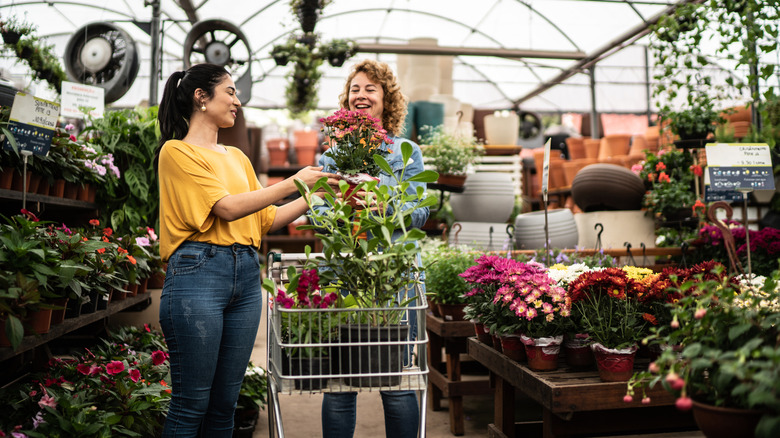
Springtime not only offers a chance for sprucing up your outdoor areas, but the season also inherently evokes change that can inspire trying out new plants in your garden. One common mistake involves selecting flowering plants that all bloom at the same time, though. Yes, you want flowers to plant in spring for a garden full of blooms, but it's rewarding to have varieties that peak later in the summer and into fall, too. If you're looking for these types of offerings in your own garden this year, one plant checks all these boxes while also blooming quickly and with little hassle: Blanket flower (Gaillardia spp).
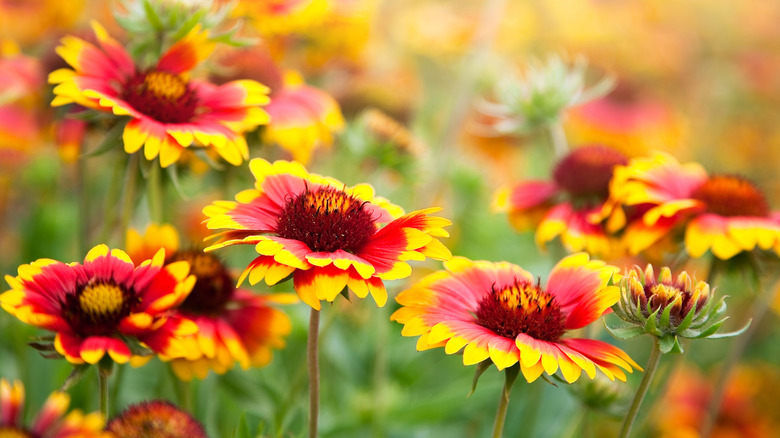
A member of the daisy family and sporting familiar daisy-like blooms, blanket flowers are recognizable for their multiple petals that may also have serrated tips. This abundant grower is native to the Americas, and chances are you have seen these flowers growing in the wild. Depending on the variety, blanket flowers can be one or two-colored blooms. Bi-colored varieties are typically yellow along the outer petal edges with deeper-colored bands on the inside of the ray flowers. The discs surrounding the centers are typically a different color as well. Gardeners also have numerous options for color tones, as the plant is capable of producing flowers that are red, purple, orange, or yellow. Some varieties even have rows of tube-shaped petals on their outer edges.
Despite having a medium growth rate (which means it can grow up to 2 feet tall per year), blanket flower plants are still early-blooming because of their reputation of flowering within 3 to 5 months after sowing.
Planting blanket flowers in your yard or garden
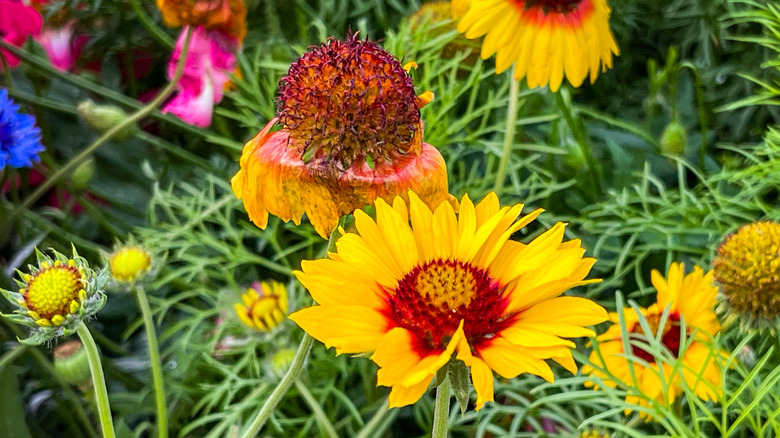
Aside from the striking color offerings, blanket flowers are coveted for their long blooming periods that start in early summer around June and may extend all the way to October. This means that the plant may start adding color to your garden around the same time some of your other spring annuals or perennials may be done blooming for the season. In warmer regions like south Florida, it's possible to enjoy blanket flower blooms year-round! Aside from being able to potentially have the opportunity to admire the bright-colored flowers yourself for several months out of the year, these plants are also important sources of nectar for pollinators, such as bees and butterflies.
Blanket flowers may be grown as either annuals or short-lived perennials, depending on where you live. As a perennial, the plant is hardy in USDA zones 3 to 9, and you can expect it to live for about two years. Some species, such as Gaillardia pulchella, can bloom within 3 months of sowing and reach up to 3 feet tall. Whether you start them from seed or as small, established plants from your local nursery, be sure to hold off on planting in the spring until after your area's last frost.
Blanket flowers are also adaptable for virtually any garden size. While they can make great additions to the edges of landscape or flower beds, they're also sometimes planted as groundcovers with the ability to quickly spread between 2 and 3 feet. Less space is no problem either, as the plant also works well as a perennial plant for container gardens.
Growing tips to ensure more blanket flower blooms
While blanket flowers are relatively easy to grow, you do want to provide them with the right conditions, so they successfully bloom into summer and beyond. Pick a spot in your yard or garden that gets full sun. These plants also prefer sandy, well-draining soils. Blanket flowers are known for thriving in drought conditions, so you will want to ensure the soil stays on the dry side.
New sprouts and transplants need the most amount of water during the first couple of months. During this time, water the soil whenever it feels dry about an inch under the surface, per Almanac. Once the plants are established, refrain from supplemental watering unless the soil is completely dry. Even then, it's important to moisten the soil, and never to saturate it completely. Doing so also helps extend their blooming timeline. Despite their reputation as being resistant to many issues, blanket flowers can be vulnerable to powdery mildew, root rot, and other fungal diseases in cases of overwatering, heavy rains, or poor draining soil. This is why it's important for the soil to completely dry in between watering sessions.
Another perk to this low-maintenance plant? It has the ability to re-seed itself so you might potentially enjoy new flowers each season for years to come. Once the blooming process finishes by first frost, consider leaving old blossoms in place to allow for re-seeding and to help provide songbirds sources of food during the colder months.