

16 Genius Ways To Use Old Plastic Containers In The Garden Instead Of Tossing Them
We may receive a commission on purchases made from links.
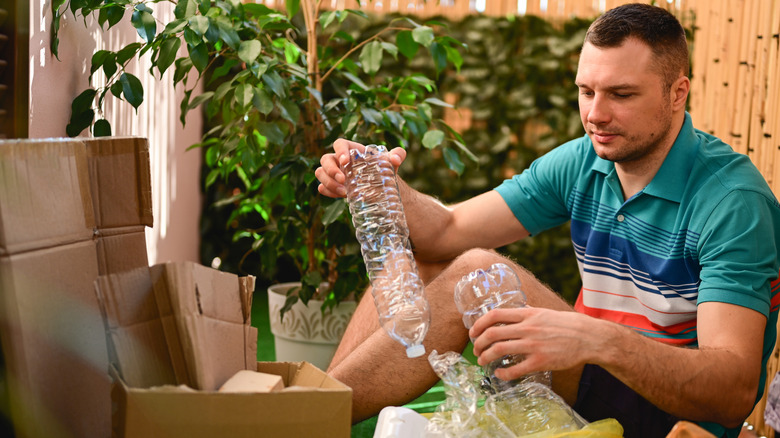
Most of us are using a surprising amount of plastic each day. You may wake up and eat your daily yogurt, grab a disposable water bottle, and pour a cup of detergent into your laundry without thinking twice about the container it came in. Although plastic has benefits like being lightweight, cheap to produce, and convenient for consumers, it also takes up a lot of landfill space. According to the United States Environmental Protection Agency, the U.S. reportedly produced 14.5 million tons of container plastic waste in 2018 alone, and this plastic can take hundreds of years to decompose. While we may not be able to eliminate this common material overnight, we can find easy ways to repurpose it and help extend its lifespan before it winds up in the trash.
Luckily, more than just the Earth benefits when we reuse old plastic containers, especially in the garden. If you're using products you already have to fashion planters, bird feeders, and even wasp traps, you save the money you would have spent on buying those items brand new (which may also be made of plastic). Because plastic is generally durable, there's a good chance that your new creations will last for years to come. So, before you throw away your old to-go containers or milk jugs, take a second to consider how they may serve another purpose in the garden. Below are some ideas to help you get started.
Turn plastic bottles into self-watering planters
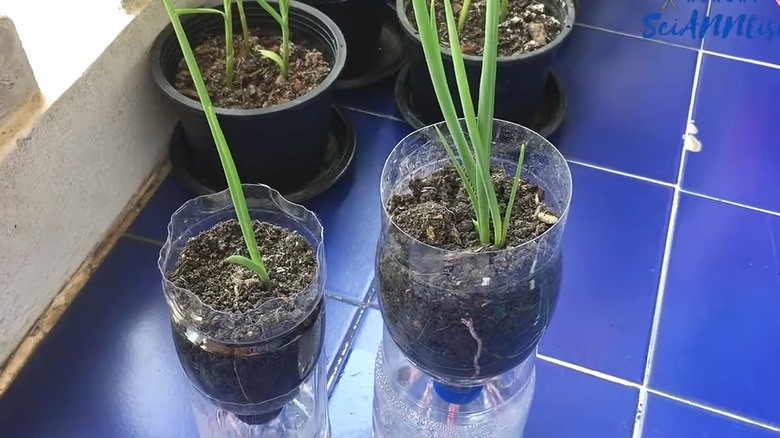
If you're someone who only realizes their plants are thirsty once it's too late, then a self-watering planter may be just what you need. Even better, it's easy to make this low-maintenance pot with some leftover plastic bottles. In addition to empty soda or water bottles, you'll need string, scissors, and something you can use to poke a hole in the cap, like a hammer and a nail. Once your DIY is finished, you can leave it as is or spruce it up with some colorful paint.
Use a plastic jug for drip irrigation
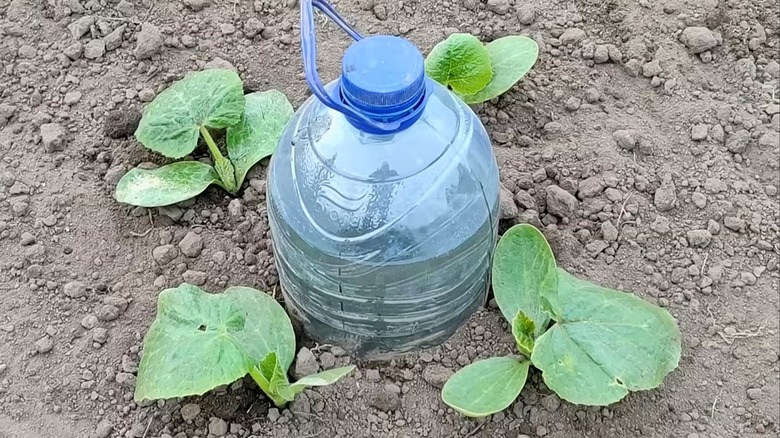
Drip irrigation systems are a great tool to have in the garden. With drip irrigation, water goes directly to the plant roots, less water evaporates, and it frees up garden time by watering your plants for you. You don't even have to buy a fancy system, either; all you need is some leftover plastic containers. Larger plastic jugs work best, as you won't need to fill them up as frequently. However, you can also use smaller bottles for little planters, pots, or raised beds.
Reuse plastic bottles to make a cloche
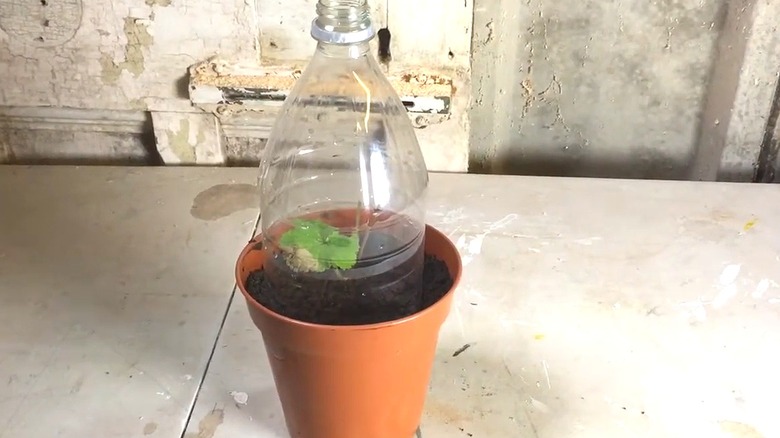
A garden cloche is a protective dome for plants. It creates a barrier that helps protect tiny seedlings from destructive insects, strong winds, and frosts. While they're readily available online, you can easily make your own with leftover plastic bottles. All you have to do is cut off the top of the bottle and place it over your emerging seedlings. Cloches can create a humid environment, which is great for seedlings that thrive in those conditions. However, keep an eye out for moisture-related diseases and remove the cloche if you notice any symptoms.
Repurpose yogurt containers into seed-starting pots
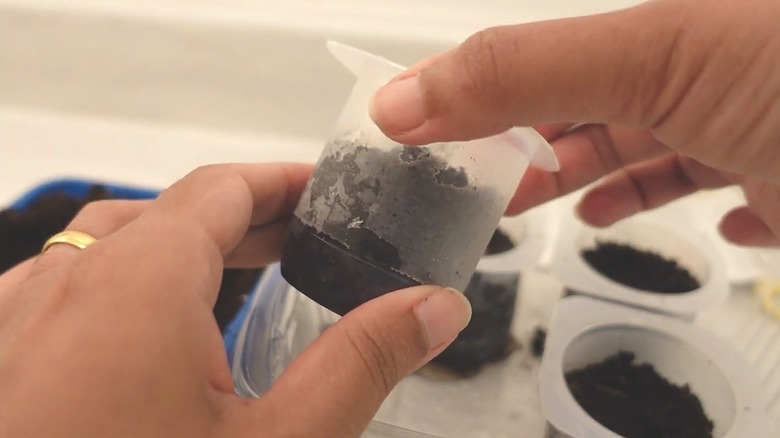
As spring rolls around and it comes time to germinate and plant vegetable seeds, you'll need a lot of containers if you plan on starting them indoors. If yogurt is a part of your daily breakfast, then you already have access to the perfect little seed-starting pots. You can also use the bottoms of bottles, leftover Keurig cups, and many other pot-shaped containers. Larger yogurt containers also work great as pots for more mature plants. Just make sure to clean the plastic thoroughly and poke some drainage holes in the bottom before using.
Protect your plants from slugs using an old plastic bottle
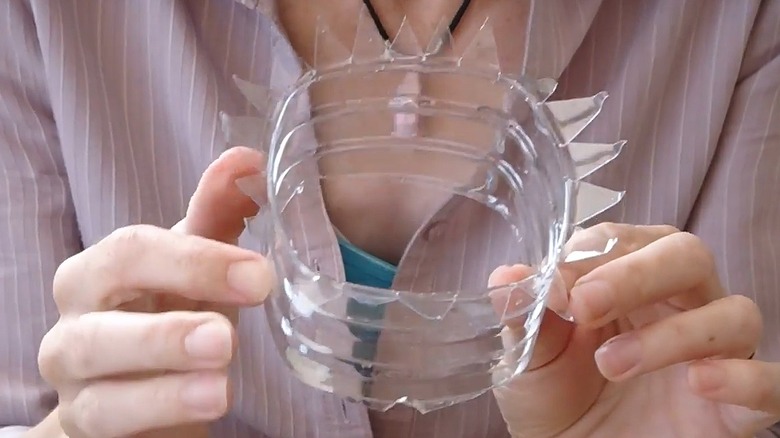
One of the biggest struggles of growing your own fresh crops or flowers is figuring out how to deal with the most common garden pests. Although plastic may not be the answer to every sneaky plant pest, old plastic containers can be the key to keeping slugs at bay. Seedlings are especially vulnerable to these slimy creatures, so protect them by making a plant collar. Once you've cut a bottle into a collar, carve out some sharp spikes. These will make the slugs think twice about investigating your plants.
Create plant labels using milk jugs
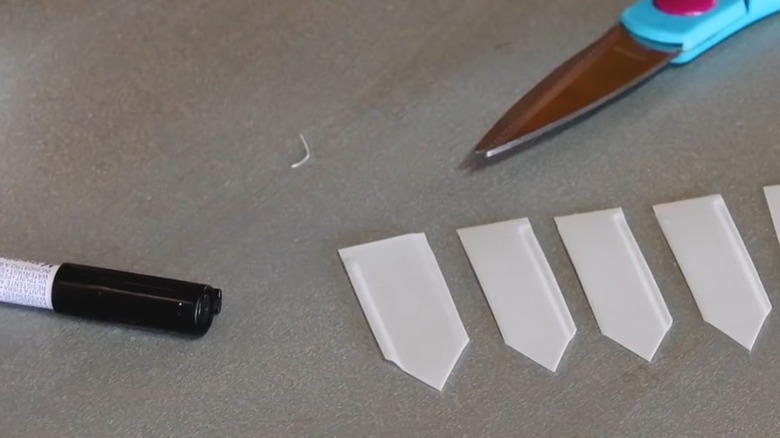
This is an upcycle hack you'll be shocked you never thought to do before. When we typically think of repurposing jugs, our brains naturally go to the liquids they can hold. However, milk jugs work just as well to create plant tags as they do containers. All you need is a pair of scissors and a Sharpie to get started. Of course, you can create the stereotypical rectangular labels for your plants. But you can also get creative and cut them into fun shapes to add some pizzazz to the garden.
DIY a vertical garden with plastic bottles
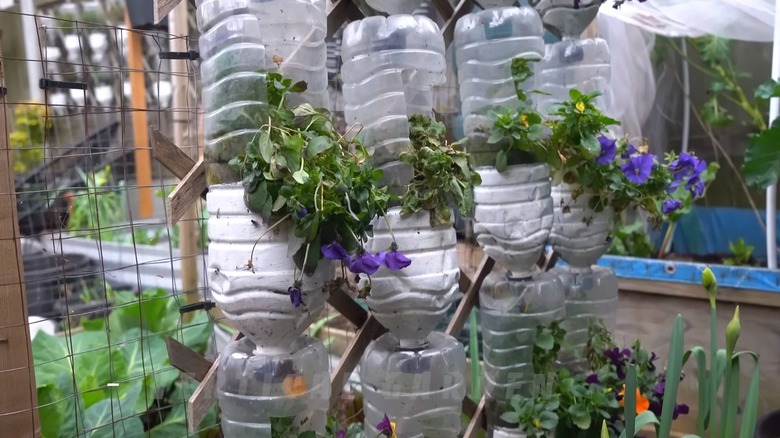
Just because you have a smaller outdoor area doesn't mean you can't enjoy an array of beautiful plants and tasty herbs. You'll just need to get a little creative. One of the best hacks for maximizing space is creating a vertical garden. Luckily, you don't need anything fancy or expensive. Leftover gallon water bottles make the perfect containers to create a wall of small plants. You can use as little or as many as you like, so it's easy to customize to your space.
Transform a milk jug into a scoop
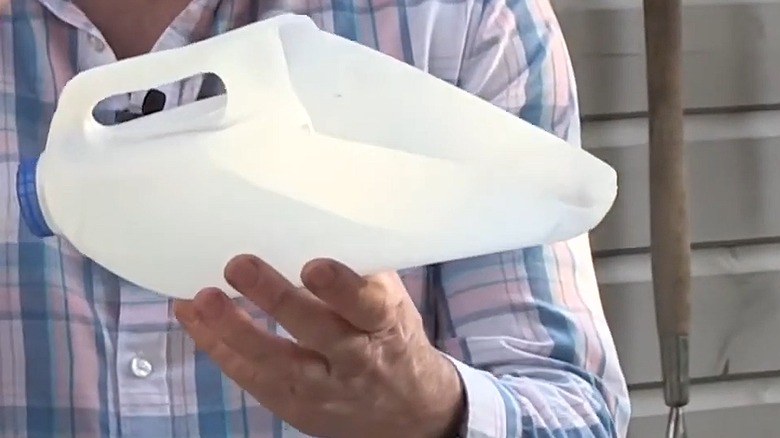
Another way to get crafty with a milk jug is to use it to create a scoop. It already has a built-in handle, so you'll just need a pair of scissors to cut off the bottom up to the handle. Now, it's the perfect scoop for bird seed, compost, garden soil, and other scoopable goods you may have. Leftover laundry detergent bottles can also work well for this hack. Just make sure to clean and rinse them thoroughly, especially if you plan on using them to scoop animal food.
Use leftover seasoning containers as seed shakers
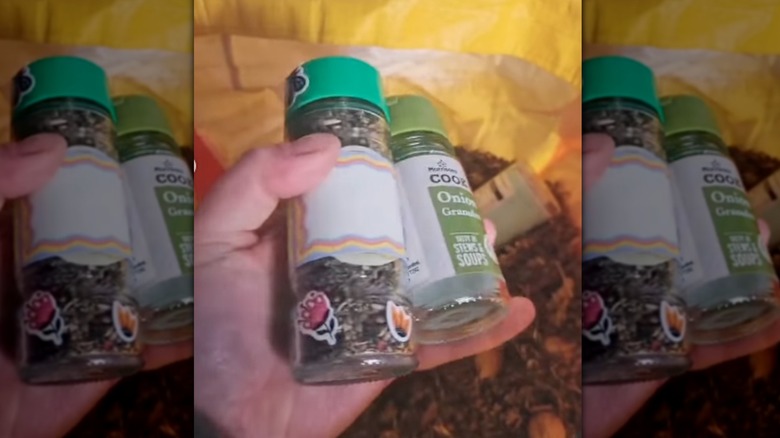
Don't toss your old seasoning containers; they make the perfect seed shakers or even seed storage. Grated parmesan containers also work well. This upcycle can be especially useful if you collect your flower or vegetable seeds to use later. To remove the old sticker, grab your hair dryer and hold it at least 6 inches from the sticker on medium-high heat. After about 15 to 30 seconds, the adhesive will soften, making it easy to peel the label off. Then, you can add your own label for your seeds.
Make a wasp trap with soda bottles
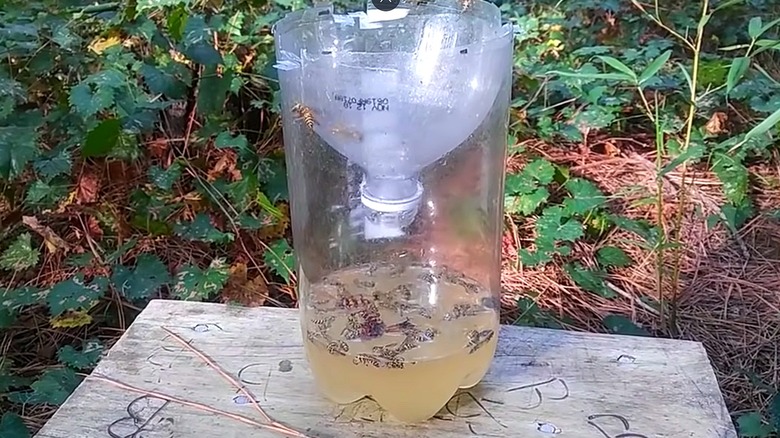
Nothing ruins a peaceful day outdoors quite like wasps. If you want to get rid of wasps, you can make an easy trap using a large bottle. Cut the top third of the bottle and poke a few scent holes. Mix 1 cup of sugar, ½ cup of water, 1 cup of juice, and a packet of baker's yeast. Remove the cap and stick the top third in upside down like a funnel. The sugary smell will lure the wasps through the hole, but they'll struggle to find their way back out before drowning.
Turn a plastic egg carton into a mini greenhouse
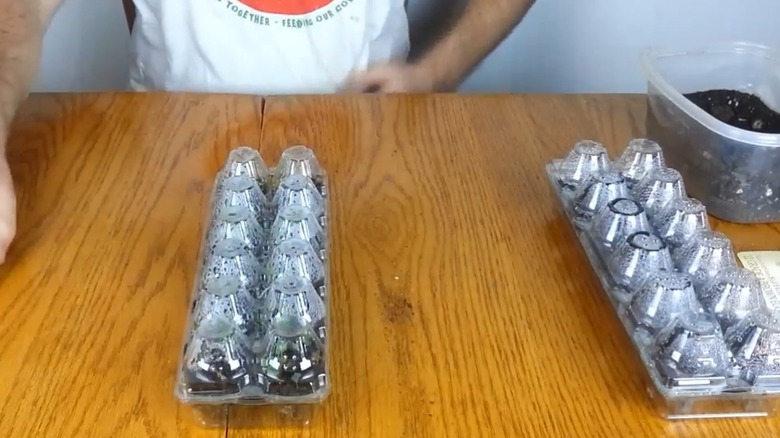
There are several smart ways to reuse egg cartons around your home instead of getting rid of them, including repurposing them into mini greenhouses. Remove the nutritional info sheet on the top to allow plenty of sunlight to get in. Use a pair of scissors to separate each of the sections. Then, poke a drainage hole at the bottom of each little egg cup. Now, you're ready to add some fresh soil and your favorite seeds to each of the compartments. Spray the soil with a bit of water, place the top back onto the base, and let nature take care of the rest.
Make an adorable flowerpot using a detergent bottle
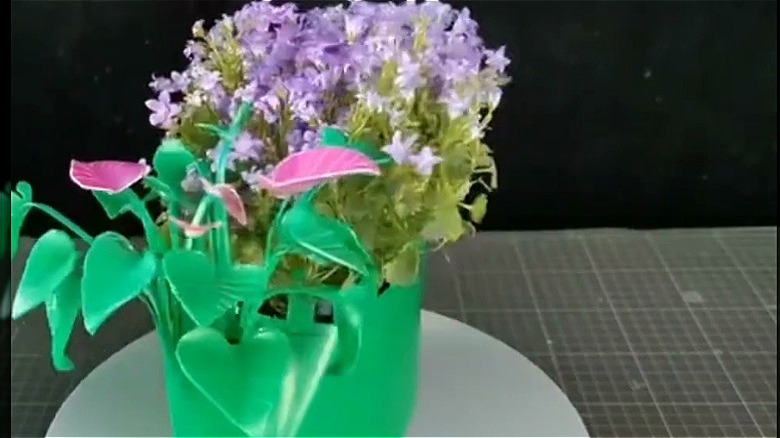
Empty laundry detergent, fabric softener, and other similar containers make the perfect base to create adorable pots for your plants. While you can just remove the top half with a pair of scissors, you can also get even more crafty. Before cutting, use a pencil to sketch out a basic design you like. Then, carefully cut out your desired shape with something like the X-ACTO #2 Knife With Safety Cap. As always, wash the plastic thoroughly and make sure to cut out some drainage holes if you plan on growing plants directly in the container.
Use plastic lids to make a bird feeder
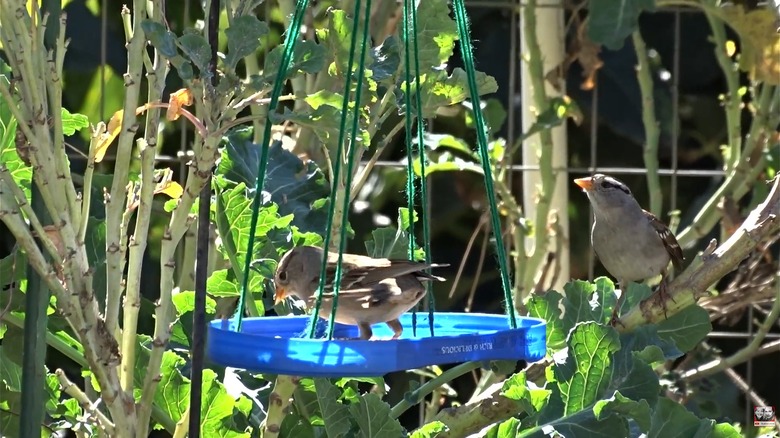
You can easily invite more birds into your garden even if you're on a budget. Many leftover plastic containers work just as well to hold birdseed as the pricier feeders found at your local store. For this easy DIY, all you need is a lid from a butter or ice cream tub, some string, and a place to hang your new feeder. Tray feeders attract several gorgeous species, including jays, doves, grosbeaks, sparrows, juncos, and others. Plus, this feeder style makes it easy to watch your favorite feathered visitors.
Repurpose a kitty litter jug into a drip bird bath
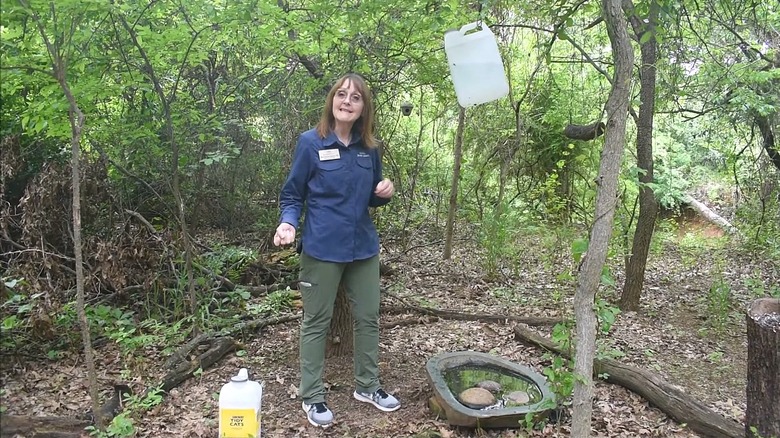
Birdbaths work wonders to attract birds, but they can also make the perfect breeding ground for pesky mosquitoes. Mosquitoes love standing water, so movement is key if you want to avoid turning your yard into a bug sanctuary. Plus, the splashing sound can even attract more birds to your garden. An easy way to create mosquito-deterring ripples in your bath is to make a DIY drip bird bath. Old kitty litter containers work well for this, as they hold a lot of water and have a handle that makes it easy to hang.
Use old plastic containers as compost bins
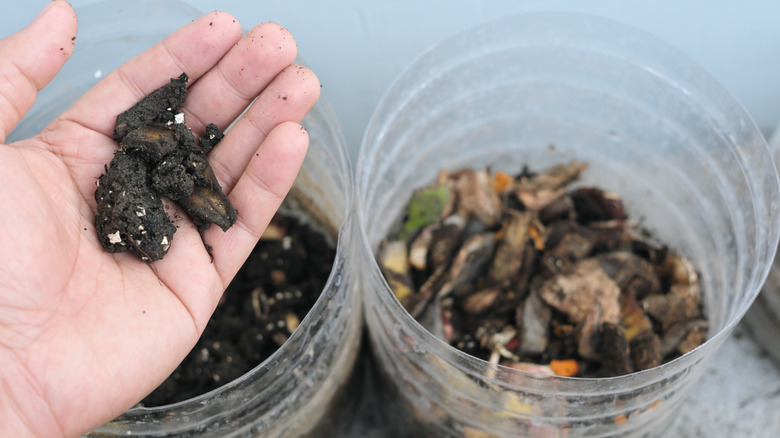
Composting benefits are twofold — less waste winds up in the landfill, and your leftover dinner scraps are turned into a plant superfood. Even better, you can get started with the help of an old Folgers tub or protein powder container. Clean out your old tubs and drill several holes throughout each of them. Dig a hole to bury the plastic container in, leaving the lid side up and visible so you can easily add scraps. You may need to purchase some worms to do the composting work for you.
Make a DIY bird scare using a soda bottle
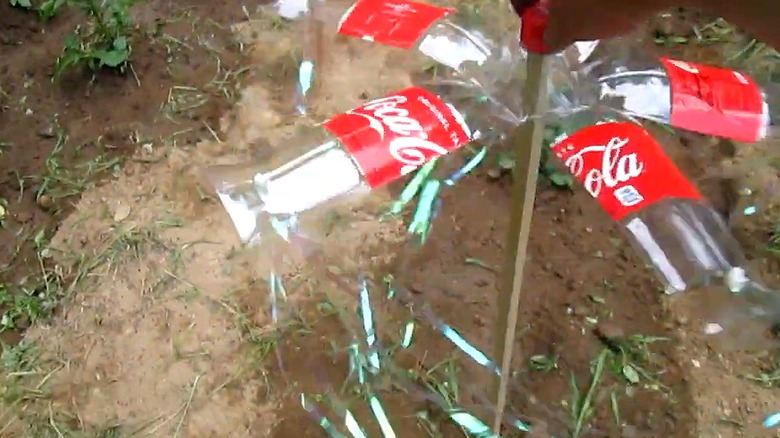
Not all birds are beneficial garden visitors, especially if they're guilty of destroying your garden crops. Luckily, plastic soda bottles can be upcycled into fantastic bird scares. The sun will bounce off of the shiny plastic into the birds' eyes, which often startles them. Cut the bottle into a pinwheel and nail it to a stick in the garden. To make it even more visually stimulating, attach reflective ribbons to the end of each plastic blade.