

One Of 2026's Hottest Garden Trends Brings More Butterflies & Pollinators To Your Yard
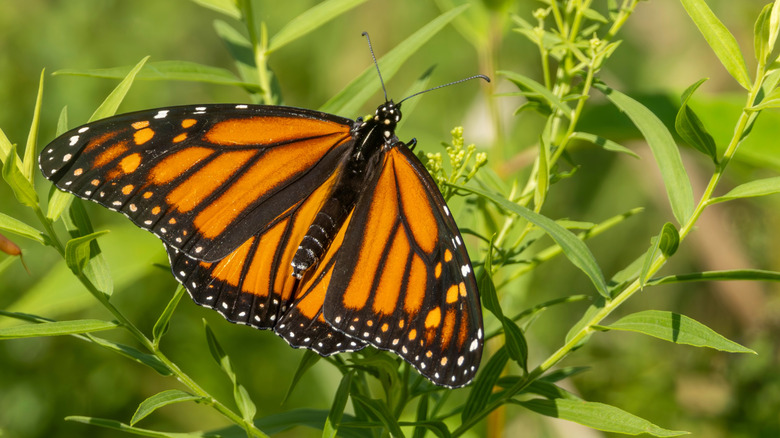
This year, one of the hottest trends popping up in gardens everywhere is all about choosing plants that'll catch the attention of pollinators. In its 2025 plant trend report, The Sill predicts that pollinator-friendly habitats will be huge in 2026. "Customers want plants that do more than decorate, that's a bonus," says the company's plant education lead, Paris Lalicata, "they want plants that grow with them, that give back in a bigger way." Other experts agree; speaking to Elle Decor, Amy Enfield, senior horticulturalist at Miracle-Gro, says: "The 2026 gardener wants an outdoor space that is friendly to bees and butterflies and can handle weather extremes. But most importantly, they want to spend their weekends enjoying their yard with a glass of wine — not working in it."
Pollinator plants are native, non-invasive plants that offer food, water, or shelter to the insects that help pollinate our world, like bees, butterflies, moths, and hummingbirds. Since their habitats have started facing troubles in recent years, there are fewer places where they can go to perform their important work, which helps more than 75% of flowering plants and about 35% of our food crops to grow. By adding pollinator-friendly plants to your garden, you can help increase their options. Even better, because pollinator gardens typically include plants native to your local area, your chosen plants are also likely to thrive without too much effort on your part.
How to bring 2026's pollinator-friendly plant trend into your garden
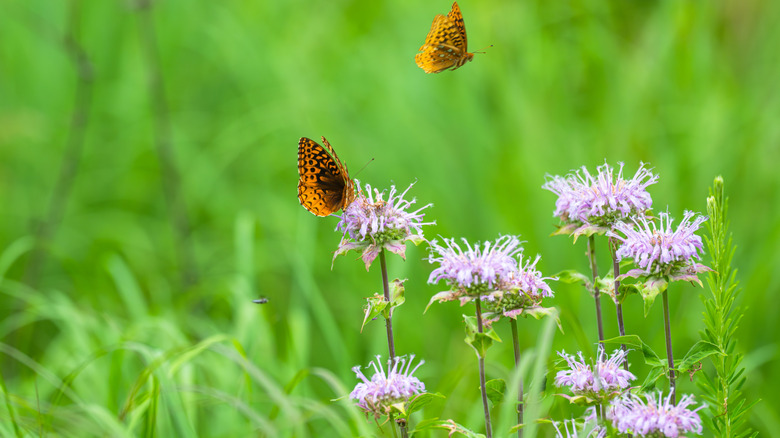
If you're interested in adding pollinator-friendly plants to your garden, you'll have many different options to choose from. When picking out specific plants, look for annuals and perennials that are native to your region and provide nectar and pollen to pollinators. Native plants are the kinds that have lived in a region for thousands of years naturally, without having been introduced by humans from elsewhere. In most cases, native plants will provide plenty of the pollen and nectar that your local pollinators seek.
Pollinators' love of native plants means you can (and should) style this trend to suit your local area. For example, gardeners in Minnesota can plant wild bergamot (or bee balm) and blazing star to draw in bees and butterflies. Those in New Mexico, meanwhile, may want to plant showy milkweed and red dome blanketflower in addition to wild bergamot. And Utah-based gardeners can choose columbine, mountain mahogany, and sunflowers. These are just a few examples of how varied pollinator-friendly plants can be.
And speaking of variety: Planting a diverse mix of flowers will help make your garden attract a greater range of pollinator types. Sure, flowers will steal the show — but mixing in fruits, vegetables, and herbs such as rosemary and thyme can make your garden even more enticing to the insects that will help it thrive.