

Skip Hardwood: This Kitchen Flooring Alternative Is More Eco-Friendly (& Looks Great)
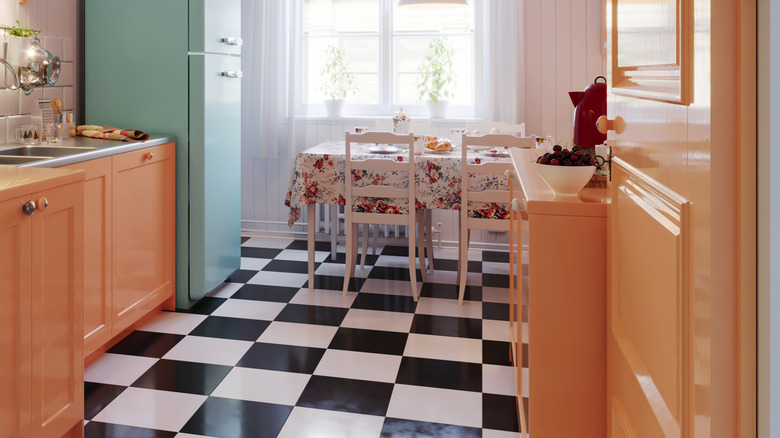
If it is time to upgrade your kitchen flooring, prepare to be spoiled for choice when you visit the design or hardware store. While you may be drawn to wood for its warm and classic looks, there are things you need to know about using hardwood in the kitchen. Wood is one of the most expensive flooring materials to install, takes plenty of maintenance, and it can have issues with sustainability, especially tropical hardwoods or wood coming from unsustainable forestry practices. If you are seeking a budget- and eco-friendly material that looks fresh and will stand up to the spills and high traffic of a kitchen, consider linoleum.
If linoleum sounds old-fashioned, think again. While this flooring was invented in the mid-1800s and saw its height of popularity in the late 1800s through the mid 20th century, it holds up today as a great choice for modern kitchens. Design-wise, linoleum comes in a huge variety of colors and patterns, including cool retro designs and styles that mimic the look of hardwood. It costs much less than wood, with Angi's list citing average installation cost around $1700 compared to hardwood's $4700. Linoleum also feels great underfoot, perfect for those long cooking sessions. If making your home more sustainable is a priority, you can't go wrong with linoleum. Unlike vinyl, which can off-gas hazardous volatile organic compounds, linoleum is made of eco-friendly organic materials including linseed oil, pine rosin, and cork dust, which are also biodegradable.
Linoleum as a durable and sustainable choice
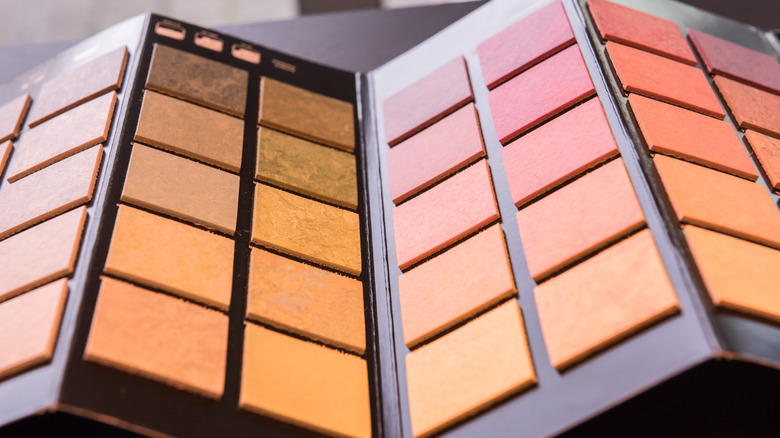
In addition to being made of eco-friendly ingredients, linoleum is a sustainable choice due to its durability and longevity, which makes it a great option for the kitchen. With simple maintenance, these floors can last for 40 years. Regular sweeping or vacuuming and damp-mopping is all that is required for routine care, and you won't need to use harsh and possibly toxic cleaners which can damage this natural flooring.
Linoleum is naturally water-resistant, which makes it great in a kitchen, but it isn't waterproof, so you'll need to clean up wet spills and address leaks quickly to avoid damage to these floors. Like hardwood, linoleum can be scratched, so invest in some felt slides for the feet of your kitchen chairs and table to keep them from marring your floors. To keep your linoleum looking like new and able to resist staining from food spills, you will also want to re-seal it every year or two with a linoleum-specific sealer.
When shopping for linoleum, you'll find it comes in three main formats — sheet, plank, and tile. DIYers will like the "click-and-lock," floating floor style of planks and tiles, like Forbo's Marmoleum, considered one of the greenest floorings on the market. Sheet-style linoleum that comes in large rolls must be carefully measured and glued down, more likely taking a professional to ensure it is laid correctly to last.