

The Old-School Decor Everyone's Snatching Up At Thrift Stores In 2026
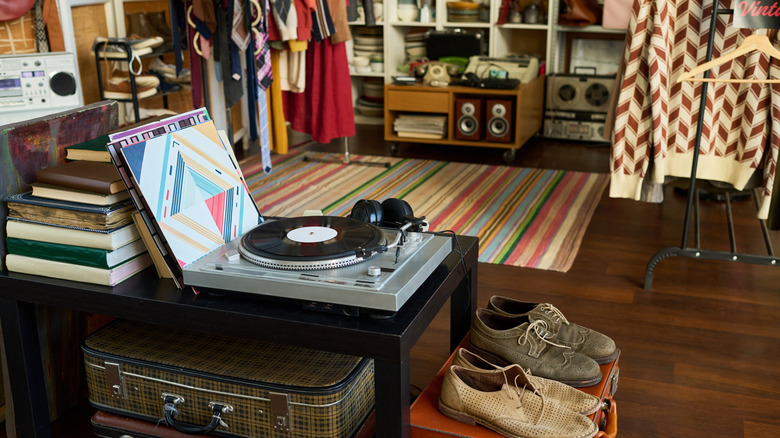
A brisk scroll through TikTok will reveal that the young'uns are shamelessly embracing Y2K style. In the world of home decor, however, we're collectively looking to grandma. Granny core is in full swing for 2026, and no one is happier to hear it than the old stack of doilies your mom has kept stuffed in a shoebox since Nana gifted them back in the '80s. But for those of us without a hand-me-down doily collection, there are thrift stores.
A new wave of lace enthusiasts has begun flooding their local Goodwills in hopes of scoring an old doily or two for a bargain price. That's because lace doilies are decidedly back, per Pinterest's 2026 trend report, which revealed that searches for the old-school table toppers are up by 105%. This leans into a more overarching trend that has folks — feeling the weight of the digital age — gravitating towards homemade goods that showcase human creativity. (Who's up for a resurgence of the Arts and Crafts Movement?)
To have a vintage doily (or 20) in your home is to coexist with a piece of history. Though they are named after an English dude who sold openwork textiles during the 16th century, they have come to represent the work of women from decades past that was used as a means to provide for as well as adorn their homes. Sure, crocheted doilies had become perfectly common by the 19th century, but they remain expressions of creativity and devotion, made by a two hands with love and delicate craftsmanship. In an era where many can't tell the difference between reality and AI, this originality is pretty appealing.
How to tell if a doily is truly vintage
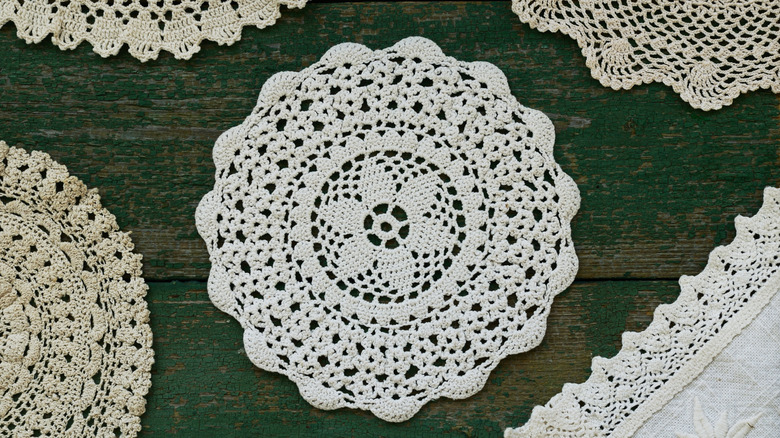
When it comes to old-school doilies, we aren't looking for perfection — we're looking for something authentic and human-made. Matter of fact, if the doily looks completely uniform and continuous, you can venture a guess that it's made by a machine — and where's the fun in that? On the contrary, the handstitched variety tends to have slight imperfections, such as variations in tension between one stitch and the next and uneven stitches. You will also be able to see whipstitches, and tiny knots on the back. Pro tip: A telltale sign that lace has been machine made is if the design only travels perpendicularly. In handmade designs, the stitches can travel in any direction.
Traditionally, doilies were made with cotton, which is durable and ages well. Linen is much the same in that regard but is used for more decorative work as it creates a flowy, falling sort of structure. Most machine-made doilies, however, are made of polyester. The handmade iterations, with their one of a kind charm and natural fibers, are more appealing to folks who are repurposing thrifted vintage doilies into creative conversation pieces that have an eclectic, bohemian flair.
When perusing the linen and home decor sections at the thrift store, you might be lucky enough to find vintage doilies for as low as a dollar or less. Extending your search to include antique malls, yard sales, and estate sales would also be beneficial, as they can sometimes be treasure troves of these coveted little cuties. And don't let a stain keep you from DIYing a gorgeous doily into beautiful wall art. You can easily soak them in warm water and detergent, gently scrubbing the stains with your hands or a toothbrush.