

15 Companion Plants You'll Love Growing Next To Cucumbers In Your Garden
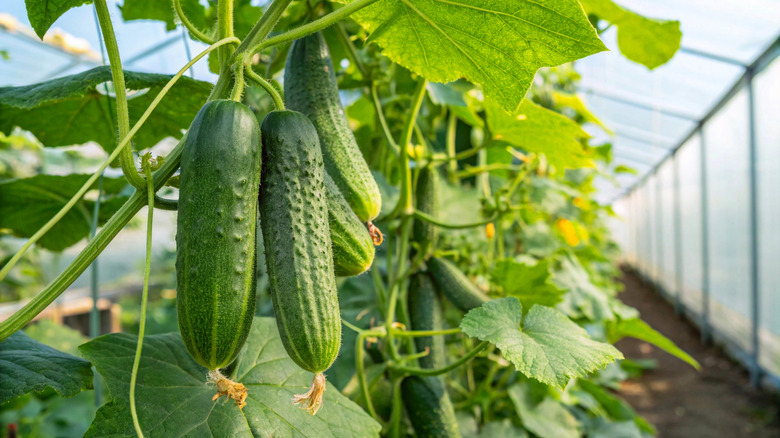
Cucumbers (Cucumis sativus) are a staple in most home vegetable gardens. Whether eaten fresh off the vine or pickled first, cucumbers are a delicious treat that nearly everyone enjoys. Even better, they're among the easiest crops for beginners. However, companion planting can make growing cucumbers even more enjoyable. Simply put, companion planting is strategically arranging plants so that they can benefit one another. Some plants enhance the soil, others repel insects, and a few can even act as a natural trellis. Grouping plants this way can also be a great way to maximize space in smaller gardens. Great companion plants for cucumber include English pea, radish, sunflowers, carrots, and lettuce.
Before considering beneficial groupings, it's important to make sure each plant's needs align. After all, if both plants don't have the same care requirements, it'll be tricky to grow them in close proximity. Cucumbers are a sun-loving species that prefer slightly acidic, rich, well-drained soil. Because their roots are shallow, they like regular moisture. Most cucumbers are vining plants and will require some sort of trellis to climb. While most of these needs are comparable to other crops, there are a few plants to avoid planting near cukes. Sage is one of the worst companions for cucumbers, as it can limit their growth and negatively affect the flavor. You should also avoid planting other cucurbits near one another. If one plant develops a disease, it can quickly spread to the others. Potatoes, plants in the brassica family, and other strongly scented herbs also make poor cucumber companions.
Sunflower

Sunflowers (Helianthus annuus) and cucumbers make a surprisingly compatible pair in zone 2 to 11 gardens. The famously large and sturdy sunflower makes the perfect support system for vining cucumber plants. Plus, the sunny flowerheads attract more colorful pollinators, which can help increase pollination of your cucumbers for a better crop. In addition to butterflies and bees, sunflowers also bring in more beneficial insects, like lady beetles, which can naturally help control aphids and other common garden pests. When planting together, just make sure your sunflowers aren't towering over the cucumber plants and blocking the light.
Corn

Like sunflowers, corn (Zea mays) works well as a natural trellis to cucumber plants in zones 2 to 11. That said, it's recommended to use smaller varieties that won't put too much weight on the stalks. Pairing crops such as corn and cucumbers is especially helpful in smaller gardens, where you want to maximize as much of your space as possible. Although you can start cucumber seeds indoors, make sure to direct sow corn plants, as they don't transplant well. Luckily, corn is a rapid grower, so you'll have your stalks in no time.
English pea
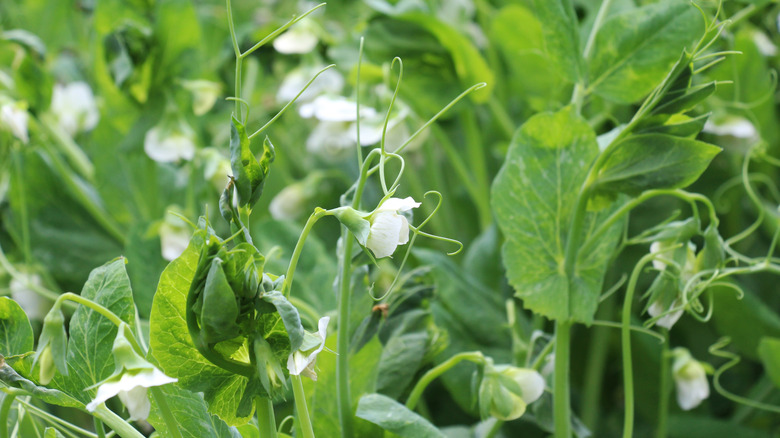
English pea (Pisum sativum) and other legumes are great companions for cucumbers in zones 2 to 11. Legumes take nitrogen from the air and transform it to a useable form for plants. Once the pea plant dies, it releases nutrients back to the soil. Peas can also increase microbial diversity in the soil, which improves its structure. These benefits make legumes extremely popular for those who rotate their crops. So, if you grow peas in an area one year, make sure to rotate the cucumbers to that spot so they can receive the full benefits.
Radish
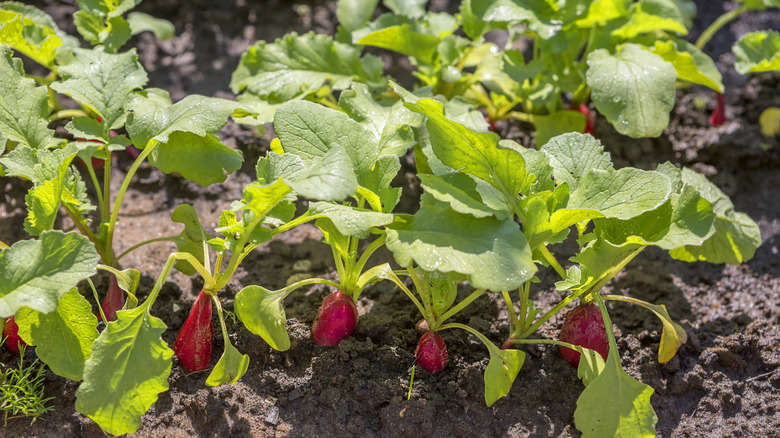
Cucumber beetles are one of the main foes of the cucurbits family, but radishes (Raphanus sativus) may help keep these pests at bay. The Sustainable Agriculture Research and Education program found that planting radishes and other insect-repelling companion plants worked well to repel cucumber beetles, possibly due to their strong scent. Additionally, radishes loosen the soil as they mature, which helps prevent soil compaction. In zones 2 to 11, plant radish seeds near your cucumber trellises when you'd typically sow your cool-season crops. Then, plant cucumber seeds once the threat of frost has passed.
Beans
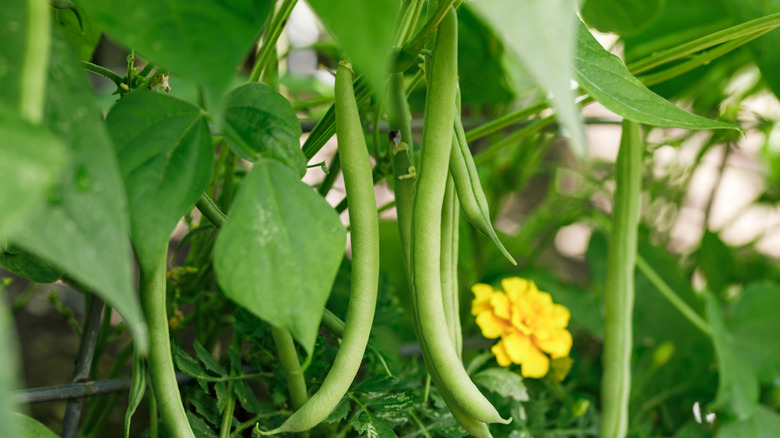
Both bush and pole beans (Phaseolus vulgaris) are also legumes that help fix nitrogen in the soil and can amend it once the roots break down. If you're growing pole beans with your cucumbers, you can even use the same trellis if you're short on space. Bean plants grow best when direct-seeded, so don't start them indoors with your cucumbers. Aside from that, they're extremely easy to grow in zones 2 to 11.
Tomato
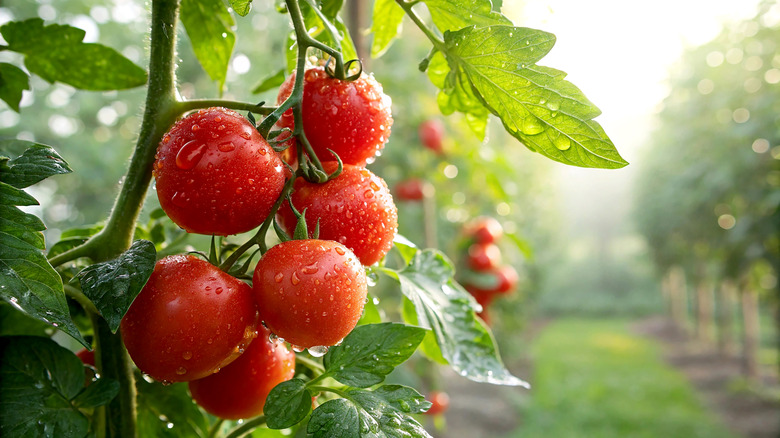
Tomatoes (Solanum lycopersicum) and cucumbers are a winning combination in salads, but can cucumbers and tomatoes be grown together? The short answer is yes, especially if you use their traits to your advantage. Plants in the rapidly growing cucurbit family are often used for their ability to compete with weeds, which is what makes cucumbers great companions for tomatoes in zones 2 to 11. Bush cucumbers work especially well, as they stay closer to the ground and don't require a trellis. Their compact growth can also cast some shade on the ground, helping to retain moisture that tomatoes need.
Dill
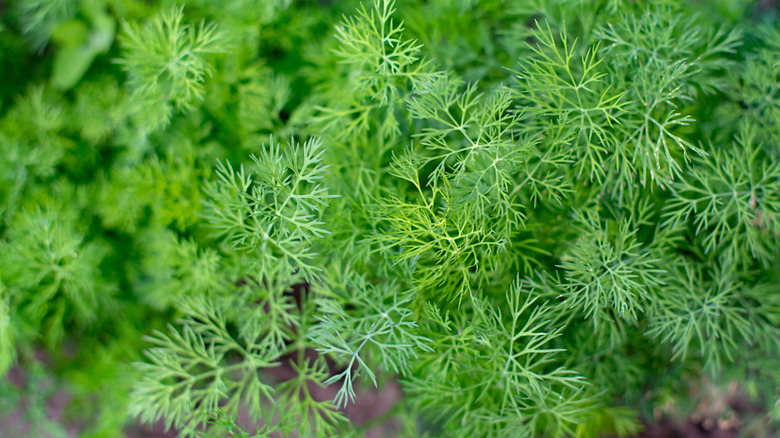
Planting dill in your garden is one of the best natural pest control remedies in zones 2 to 11. Dill puts out tiny yellow flowers that beneficial insects like parasitic wasps and hoverflies love to drink nectar from. These insects help control pests like spider mites and aphids that can plague cucumbers. Additionally, having flowering plants nearby attracts pollinators to help cucumbers and other neighboring crops. Dill likes slightly cooler weather than cucumbers, so directly sow it in your garden a couple of weeks before your final frost date.
Nasturtium
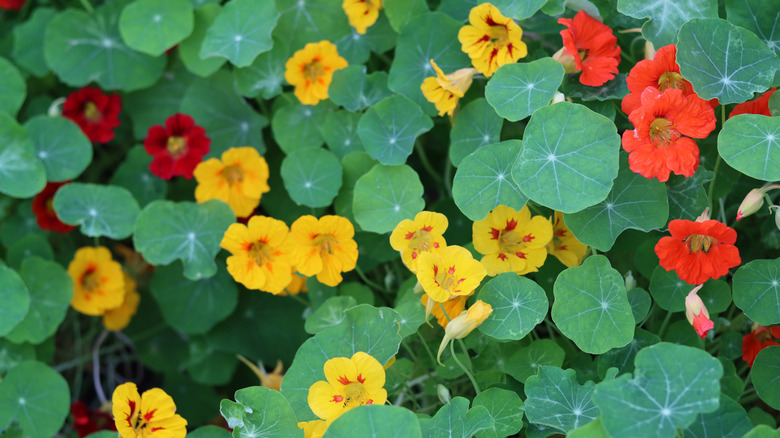
Nasturtium is another flowering herb that can help keep pests out of your garden. The strong peppery scent is detested by some of the most notorious pests that target cucumber plants, including beetles and aphids. The lush foliage of this plant can also cast some shade that helps prevent weeds from popping up and stealing nutrients from your cukes. Additionally, planting nasturtium near your cucumbers may even improve their flavor and growth. The red, orange, or yellow, funnel-shaped flowers also invite hummingbirds, butterflies, and other pollinators into your yard in zones 2 to 11.
Tansy
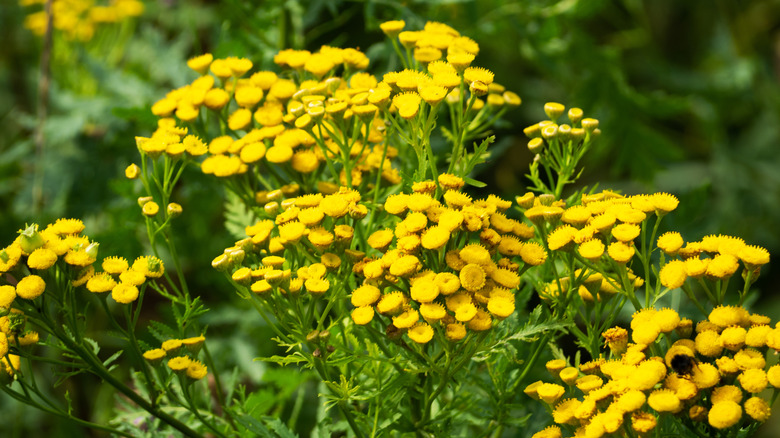
Tansy (Tanacetum vulgare) was used to fight off pests in the Middle Ages, and many gardeners still use it as natural pest control today. It contains 1,8-cineole, camphor, and other compounds that have been shown to have insect repellent properties, including against cucumber beetles. It's important to note that these compounds are toxic to pets and humans, so plant tansy with caution. This plant can also be somewhat weedy, so it may be a better idea to grow in containers near your cucumbers rather than directly in the soil. It returns year after year in zones 3 to 8.
Marigold
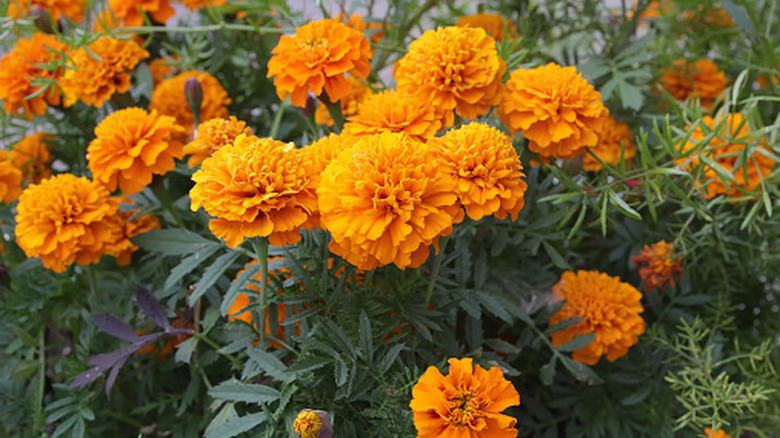
As if their bright, showy flowers weren't appealing enough, there are several benefits of planting marigolds (Tagetes) next to your cucumbers. Their intense scent repels beetles and other insects that feed on cucumbers. You can crush the leaves to make them even more fragrant. In addition to brightening up your garden, their showy flowers lure in pollinators that help improve your harvests. They aren't just ornamental, however. Marigold flowers are edible and have a spicy flavor, though it differs some by variety. They're typically grown outdoors as annuals in zones 2 to 11.
Oregano
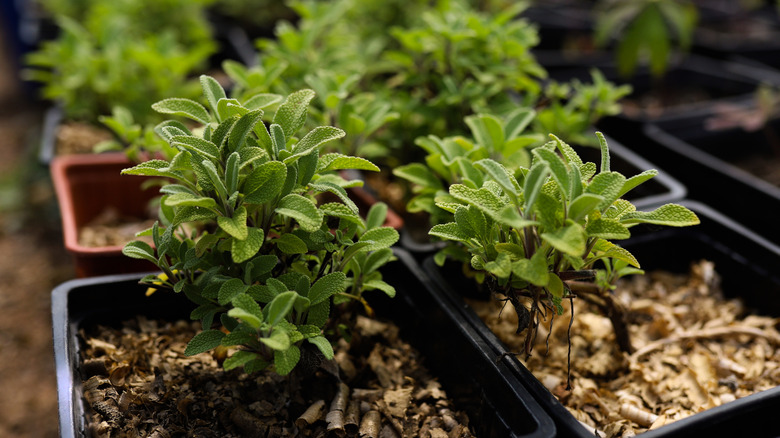
If you're sick of cucumber beetles wreaking havoc on your cucurbits, try planting some oregano (Origanum vulgare) near your cucumbers in zones 4 to 11. Its aromatic leaves contain compounds like thymol and carvacrol. These compounds don't just give oregano its unique, earthy flavor, but they also have pesticidal effects. The strong scent can repel an array of insects, including aphids, earwigs, mealybugs, and even the infamous cucumber beetle. Oregano flowers are also a favorite among beneficial insects like ladybugs and parasitic wasps. So, if any unwanted insects show up, there's a good chance they'll be eaten by their predators.
Carrots
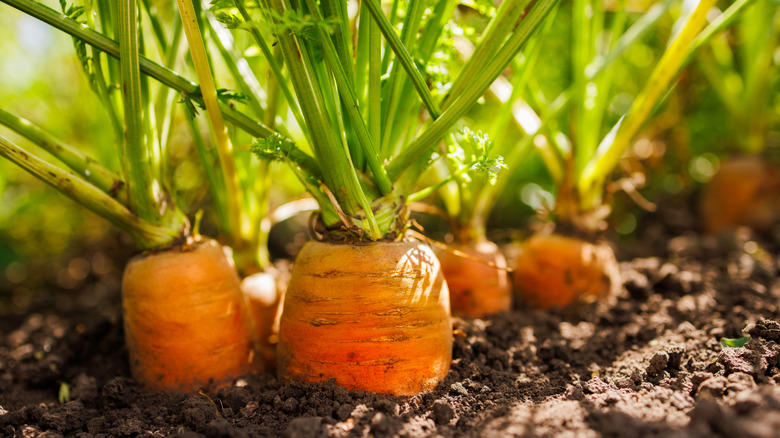
Carrots (Daucus carota subsp. sativus) are one of the easiest vegetables to grow, and they make great companions to cucumbers in zones 2 to 11. Cukes may have a lot of visible growth up top, but they actually have a shallow root system. Carrots are the opposite. While they produce some leafy growth above the soil, the long taproot underground (the part we eat) makes up most of the plant. Similar to radishes, carrots can help aerate the soil and improve drainage for cucumbers. Because each plant absorbs nutrients from a different zone, they won't compete.
Lettuce
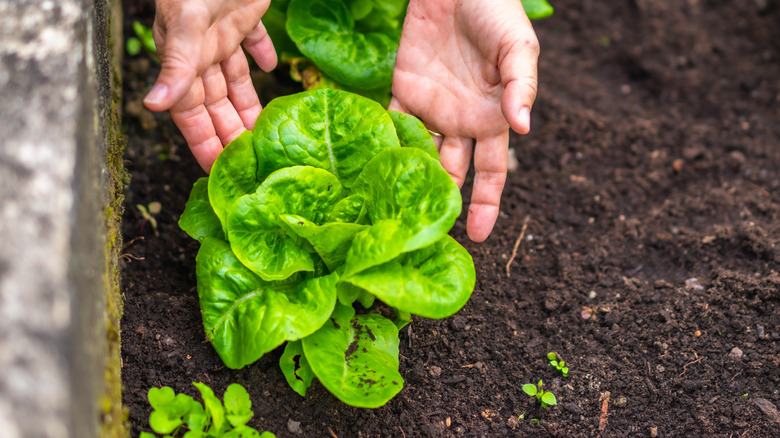
Lettuce (Lactuca sativa) and cucumbers grow surprisingly well together. The main benefit you'll get from pairing these two is saving space. Plant your favorite leafy greens in between your cucumber plants. As the cucumbers climb up the trellis, they'll cast some cooling shade on the lettuce. High temperatures can cause lettuce to bolt, so it will appreciate the cucumber's sun protection. Both plants have shallow root systems and require regular watering for healthy growth. There are dozens of delicious heirloom lettuce varieties that grow in zones 2 to 11, so don't be afraid to switch it up.
Borage
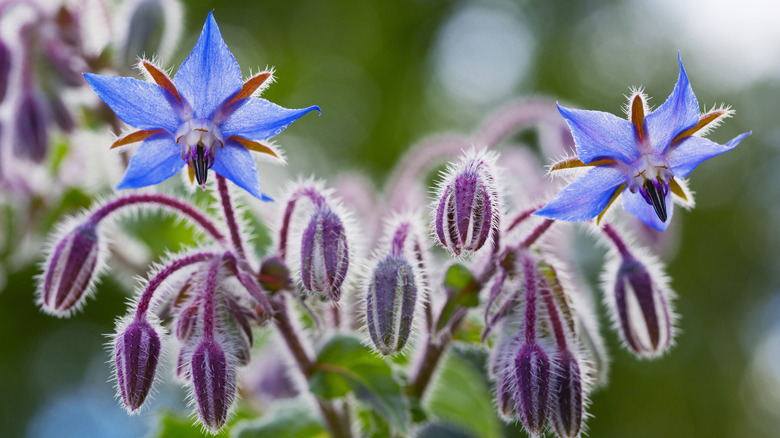
Borage (Borago officinalis), also known as starflower, is a breathtakingly beautiful flowering plant that grows well with cucumbers in zones 2 to 11. Its uniquely blue, star-shaped flowers aren't just pretty to us, but they're wildly attractive to a variety of pollinators. So, if you've had trouble drawing in butterflies and bees in past seasons, borage may be the answer. In fact, it's often recommended to gardeners who are looking to improve pollination for vegetable plants like cucumbers or squash. Although it's an annual, it self-seeds and often returns the following year.
Chamomile
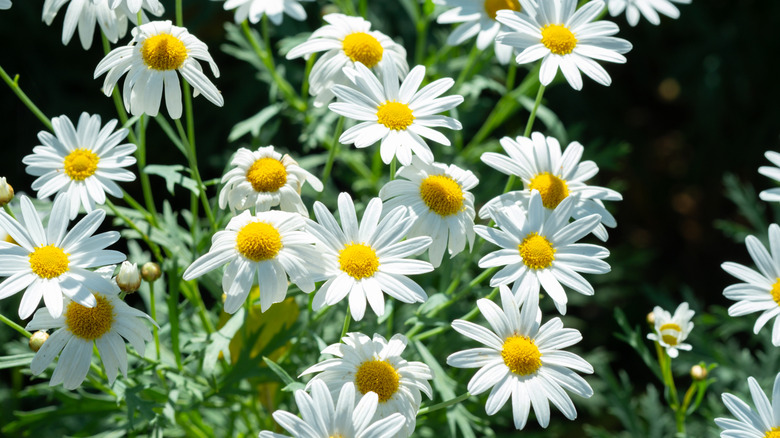
The daisy-like chamomile flower (Matricaria chamomilla) is another helpful companion to grow next to cucumbers. This popular, aromatic herb repels pests like cutworms, aphids, and armyworms, while attracting pollinators and other beneficial insects, like parasitic wasps, to your garden. Chamomile has a long bloom period, so pollinators and natural pest predators will happily visit from summer to fall. As a bonus, many gardeners claim that chamomile can even help enhance the flavor of cucumbers and other crops. This annual grows best in zones 4 to 9.