

Ditch Vinyl Blinds For A Sustainable, More Natural Alternative
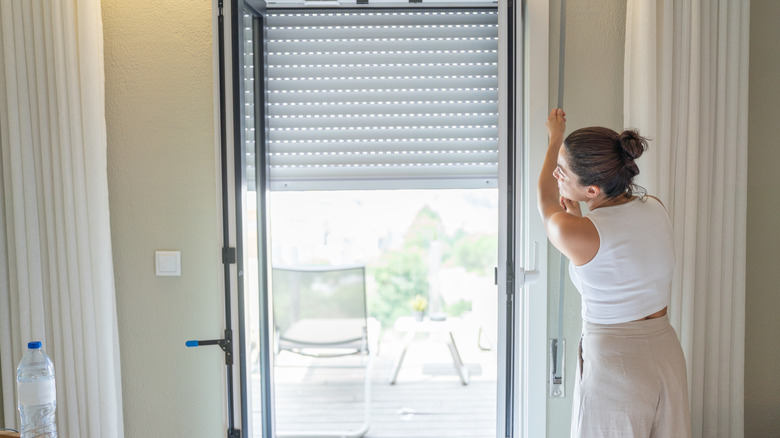
Vinyl blinds are a go-to window treatment choice since they're low-cost, versatile, and easy to install. They're often plain white and hang in either horizontal or vertical slats. Although this design is easy to incorporate into interiors, it isn't very exciting to look at. Instead of settling for this bland home solution, try out more unique window treatments. As a sustainable alternative, trade out vinyl blinds for a window shade that adds the perfect finishing touch and befits modern interior design trends: woven shades.
Today's designs favor individuality, sustainability, and natural materials, and woven wood shades echo those trends. They're often made of natural materials like jute, reeds, bamboo, rattan, and other grasses. These materials bring nature indoors, and they have natural variations that make them one-of-a-kind. In general, they're far more sustainable than vinyl. They have more character than flat, synthetic designs, and they're a more eco-conscious choice, making them the best of both worlds.
The perks of choosing natural shades over vinyl blinds for windows
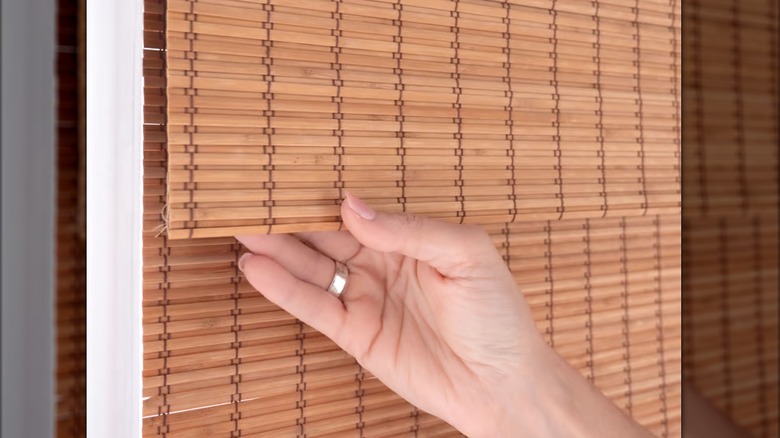
There are many perks when it comes to choosing wood shades. Be mindful of where you purchase and seek out brands that use sustainable practices. Look for shades that are FSC-certified, which ensures the wood material was harvested responsibly. Bamboo also regrows quickly in nature, making it a naturally sustainable option. As long as no synthetic materials are woven in, they're also recyclable and compostable. This ensures that after 5 to 10 years of use, old shades will biodegrade or be repurposed instead of taking up space in landfills (as would happen with synthetic materials like vinyl).
Dual-woven shades are also energy-efficient. They keep heat inside during the winter, and block the sun's rays during the summertime. Keep in mind that a dark, opaque window shade is more efficient than a thin, loose weave that allows light through. The upside of window shades is that they can be raised or lowered to preference throughout the seasons, giving you full control over how much light, heat, or cold comes inside. They can also be paired with a curtain idea that instantly elevates a space to block more light or provide more privacy.
How to style woven wood blinds in a home
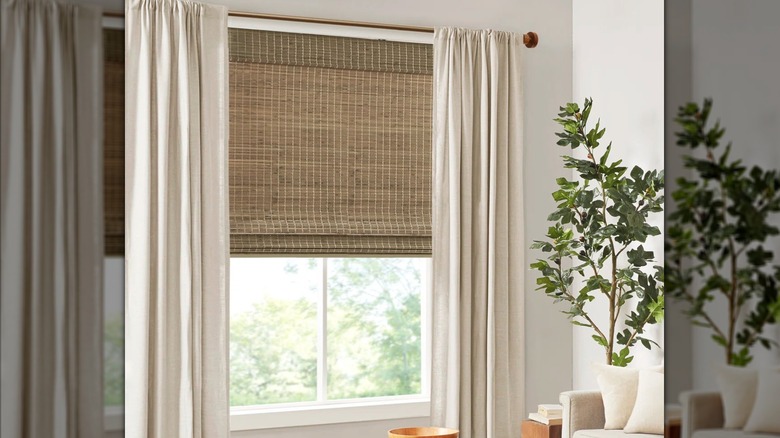
Different types of woven wood blinds are better suited for certain spaces. For example, high-quality bamboo blinds tend to be resistant to warping and fading, making them a good choice for south-facing windows that get excessive amounts of sunlight. Some bamboo blinds are also water-resistant, giving them potential in humid spaces like bathrooms, kitchens, and laundry rooms. In comparison, woven jute designs aren't as resilient, and they are better suited for low-traffic spaces, such as dining rooms or spare bedrooms.
Keep in mind that wood is relatively easy to style. Wood blinds add a gorgeous touch, especially if the color tone matches other natural elements or complements a specific interior theme. They suit anything from rustic to coastal to modern spaces. For example, lightweight and light-dyed woven shades with no liner go well with an airy, beach-inspired vibe. In contrast, dark and rich-colored wood shades can bring elegance to a formal room style.
The wood shades don't have to exactly match the color of furniture, cabinets, and other accents. Try mixing two or three different woods to add complexity to a space. The secret to achieving this style is to ensure the wood tone is the same, but not the brightness. More specifically, choose all warm colors or all cool colors, and base the palette off that.