

The Name To Look For On Vintage Thrift Store Pottery For A More Valuable Haul
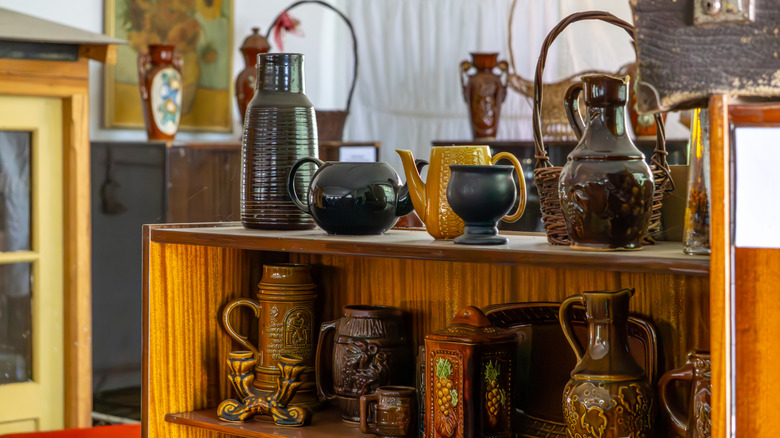
If you love looking through thrift stores for valuable vintage finds or cute decor, you probably feel like you know all the secrets to finding antique treasures. However, there are tons of hidden gems to be on the lookout for. When you're on the hunt for valuable vintage pottery at estate sales and thrift stores, there's one name you should definitely pay attention to. McCoy pottery is known for being beautiful and high-quality, and some pieces are actually worth quite a lot of money to collectors.
Part of the value of McCoy pottery comes from how gorgeous it is, but it also comes from the history of each piece. The McCoy family began producing pottery over 100 years ago, and some of the earliest pieces are exceedingly rare. Starting with a partnership between James W. McCoy and James E. Brown in the late 1800s, there have been several different eras of McCoy pottery. Whether the McCoy piece is from J.W. McCoy Pottery, founded in 1899, or the Nelson McCoy Sanitary And Stoneware Company founded in 1910, this pottery is a treat to see. It's also no longer being made, as production stopped in 1990, so there are a limited number of pieces in the world.
McCoy pottery features a wide range of styles. Early pieces were more utilitarian, with a focus on function first and foremost (although they can still be quite pretty), while later pieces experimented more. Some of the most popular McCoy pottery lines are prized for their vibrantly colored glazes, interesting textures, and unique shapes. Collectibles like cookie jars, planters, and vases are particularly popular, with some examples selling for hundreds of dollars.
Identifying valuable McCoy pottery pieces
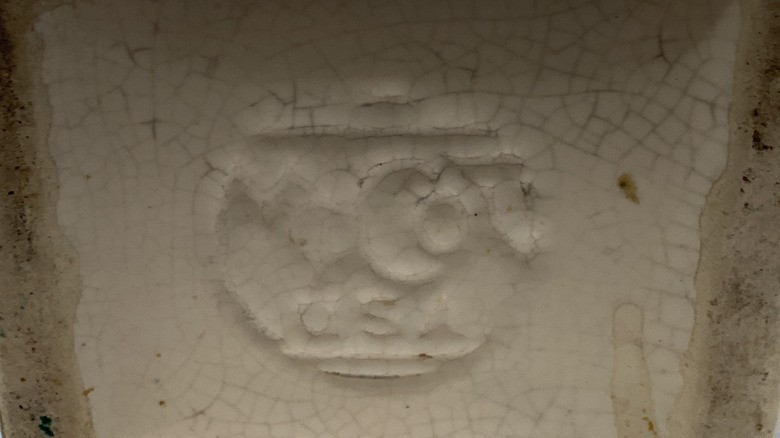
If you want a piece of McCoy pottery because it's beautiful, you might be more concerned with how to mix antique and modern decor in your home. But if you want something valuable, the first step is to make sure it is an authentic McCoy piece. While replicas can be beautiful, they aren't as valuable, which is particularly important if you plan on reselling the piece or if the seller is charging more for it as an antique.
Checking for a McCoy maker's mark is a good way to start, but some reproductions can mimic the authentic signatures closely. If it has what appears to be a real McCoy mark, check catalogues and online lists of known McCoy pieces. Some scammers will put the McCoy mark on pieces that look nothing like real McCoy pottery, while others try to recreate actual McCoy pieces as closely as possible. Identifying the specific piece you're looking at and checking for minor flaws or imperfections will give you a better idea of whether it's authentic or not.
Identifying the exact piece will also help you see how valuable it is. While all McCoy pieces are worth something to the right collector, those that are particularly rare or beautiful are typically able to fetch higher prices. In addition to rarity, condition is important. A broken vase won't be prized as highly as one that's completely uncracked. Dust and dirt can be cleaned away with a soft cloth and plain cold water, but if you want to restore a damaged piece, repairs should be handled by a professional.