

13 Snake-Attracting Plants You Might Want To Avoid
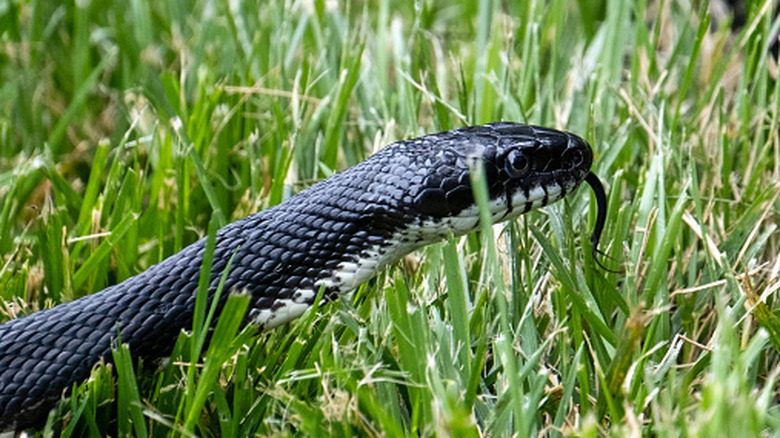
Landscaping a lush garden means attracting birds, butterflies, and bees, but it can also bring in wildlife you may be less excited to see. Most snakes love a yard full of dense underbrush to hide and hunt in, tall grass for cover, and trees and water sources that attract their prey. If you already have such landscaping and you've noticed too many serpentine friends around, you can get rid of snakes by removing their habitat. But to keep them away, you will also want to avoid adding plants that are known to be snake favorites.
To understand why certain plants attract snakes, its helpful to know a little bit about snake biology and behavior. As cold-blooded reptiles, snakes can't regulate their own body temperature. In the heat of summer, that means plants that provide shade are a premium. Many snakes like gopher snakes and rubber boas also love gobbling up rodents, so plants that shelter mice and rats are popular among our slithery neighbors. Some snakes like the rat snake are great climbers and are attracted to trees to hunt for birds nests or simply find safe shelter. For the most part, snakes are surprisingly shy, and want good hiding spots from you and your pets, which is why tall grass and dense groundcover works so well for them. There are, of course, many benefits to having snakes in your garden, like controlling garden pests like slugs. But if you prefer a snake-free zone outside, you'll want to avoid landscaping with these plants.
English ivy
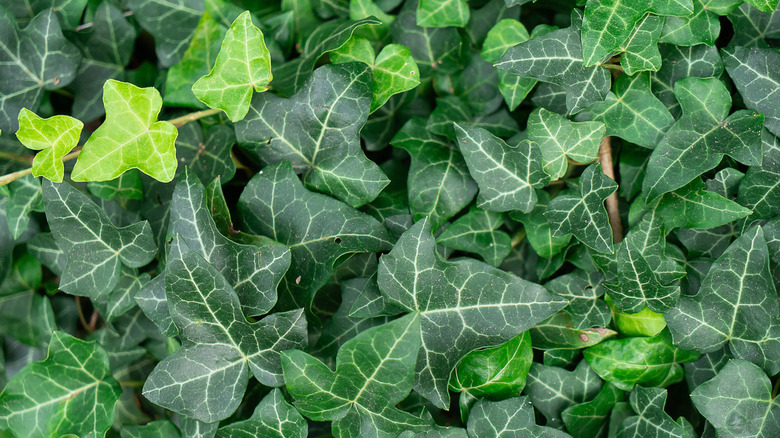
English ivy (Hedera helix) is a notorious snake-attracting plant that will also take over your yard if you aren't careful. Snakes love ivy for a multitude of reasons. The dense growth provides excellent shelter and can help cool them on a hot day.
But more importantly, ivy is home to all sorts of yummy rodents, lizards, insects, and slugs that snakes love to munch on. Ivy is basically a snake buffet, so unless you want some scaly friends dropping by for a meal, its best to avoid.
Perwinkle
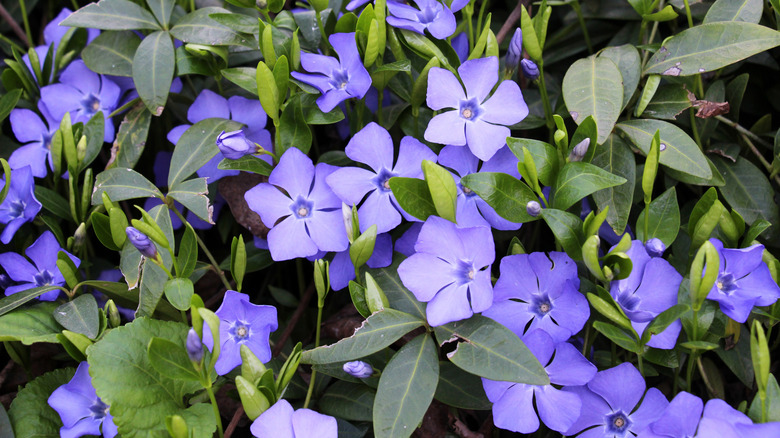
Periwinkle (Catharanthus roseus or Vinca minor) is a pretty and popular groundcover, despite the fact it can wreak havoc on your garden by taking over and crowding out other plants. Also known as creeping or running myrtle, periwinkle's dense green leaves and lovely purple flowers can provide a carpet of green in the most barren of back yards.
But snakes are a fan of it for the same reason they like ivy. Periwinkle provides a damp and cool hideout, and is a great hunting ground for their favorite foods.
Lantana
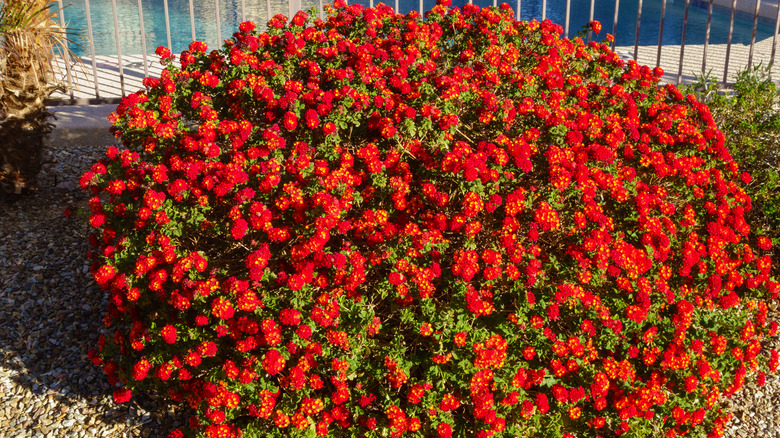
Lantana (Lantana camara) is a dense, bushy plant with beautiful blooms that make it popular for butterfly and cottage gardens. It thrives in dry environments like the desert west, where rattlesnakes also appreciate its shady growth as a place to hide from the heat.
Despite its tolerance of sunny climes, lantana does need regular watering, which means it can be an oasis for snakes in a dry landscape. Lantana also grows berries that bring in birds and rodents, otherwise known as snake food.
Juniper
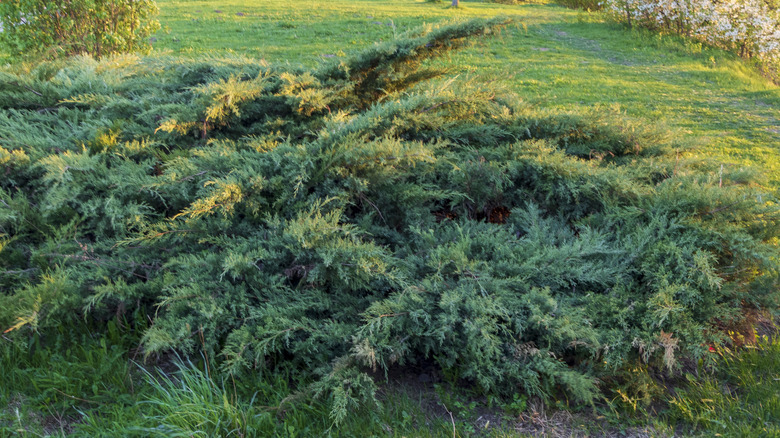
Another bushy haven for snakes is a juniper (Juniperus communis), an evergreen shrub or groundcover commonly found in suburban yards. These dense, thick plants can create broad, shaded areas of damp soil, a perfect habitat for snakes to keep cool and hunt other critters who appreciate hiding among its branches.
If you do have juniper, you can trim it up to allow light in around its base and keep its branches from touching the ground, therefore eliminating hiding spots and reducing its usefulness to both snakes and their prey.
Elephant ears
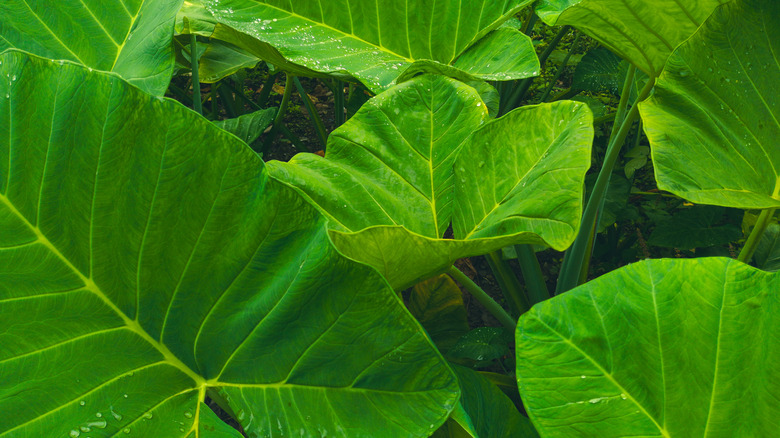
If your garden has a lush, tropical vibe, you may consider planting elephant ears (Colocasia esculenta), also known as taro, as part of your landscape. These plants have huge, broad green leaves that create a moist, dark understory perfect for keeping snakes cool, and also creating inviting habitat for frogs and insects that snakes love.
VTA Garden Tips suggests making elephant ears less attractive to snakes by clearing the ground around it, or planting rosemary or lavender among it, which has strong smells snakes don't enjoy.
Bamboo
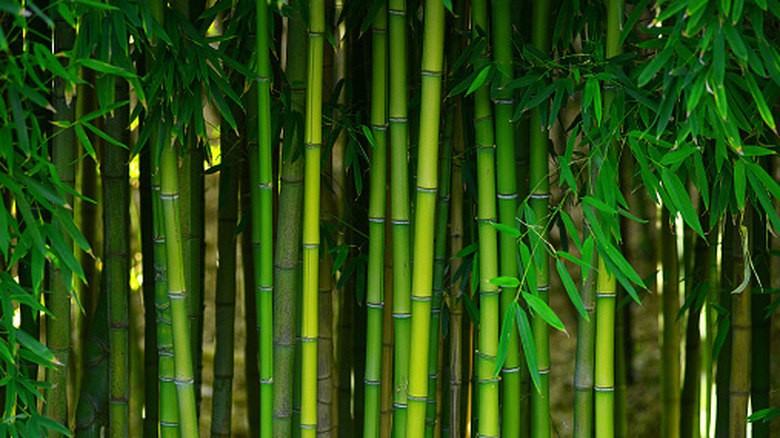
Bamboo (Bambusa) is another tropical landscaping favorite, but is also a haven for slithering guests. Tall stalks often form dense, dark clumps that keep snakes cool on the ground below and provide paths to traverse your yard while hidden from view.
Leaf litter from bamboo stalks can create habitat for mice, which in turn feed snakes. You can reduce the attractiveness of bamboo by keeping your understory clean of debris and trimming up the stalks to let in light.
Pampas grass
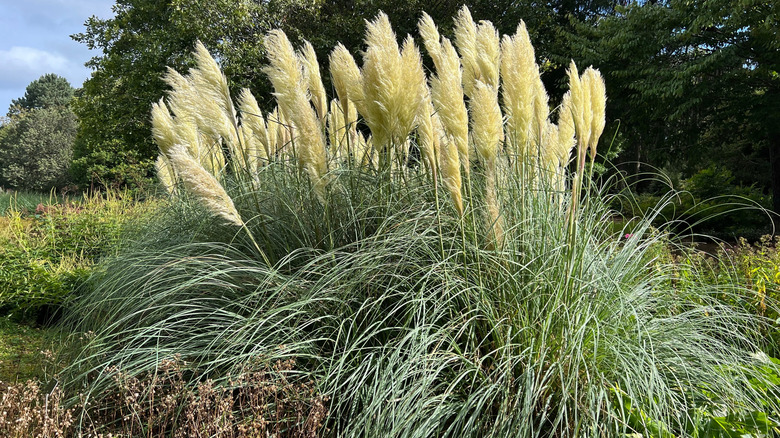
Pampas grass (Cortaderia selloana) is one of many ornamental grasses planted in yards and gardens for its aesthetics, low-maintenance care, and erosion control benefits.
Tall grass creates damp, shaded undergrowth that mice and voles tunnel through, and snakes happily follow. Snakes are completely hidden from view when traveling through pampas grass, which makes them hard for both you and their natural predators, like hawks, to spot. If you plant pampas grass, you will probably have snakes.
Hostas
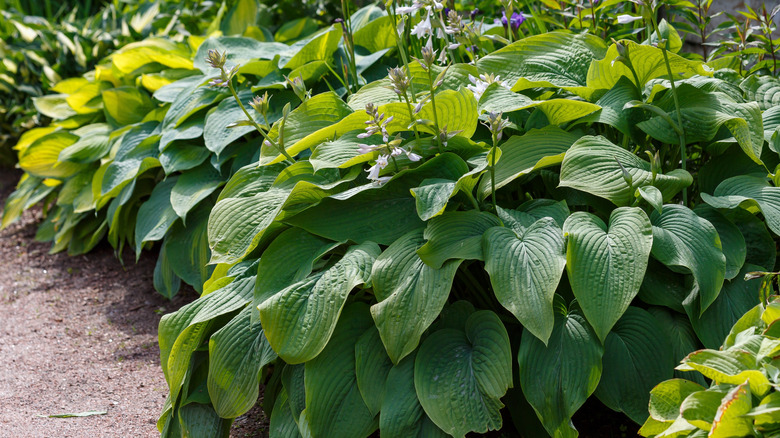
Hostas (Hosta spp.) are another common garden plant perfect for filling out shady areas of your yard, but like other plants on this list, also provide shelter and food sources for snakes.
The cool environment created by overlapping hosta leaves creates a lush understory where snakes can hide and hunt. Slugs also love hostas, and many serpents like brown snakes and garter snakes love slugs.
Ferns
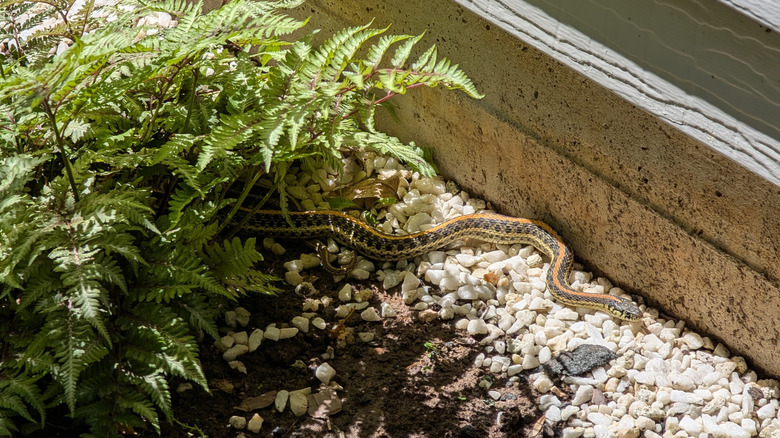
Shady areas of your landscape may be filled ferns (Pteridophytes), a family of plants whose feathery green fronds create a tranquil environment and don't need a lot of sun to thrive. Like hostas, dense-growing ferns also happen to provide the perfect snake habitat, keeping their understory moist and cool.
Snakes may curl up under your ferns during hot days, and come out to bask in the sun when they need a warm-up. Favorite prey like insects and frogs also love hiding among ferns.
Blackberry
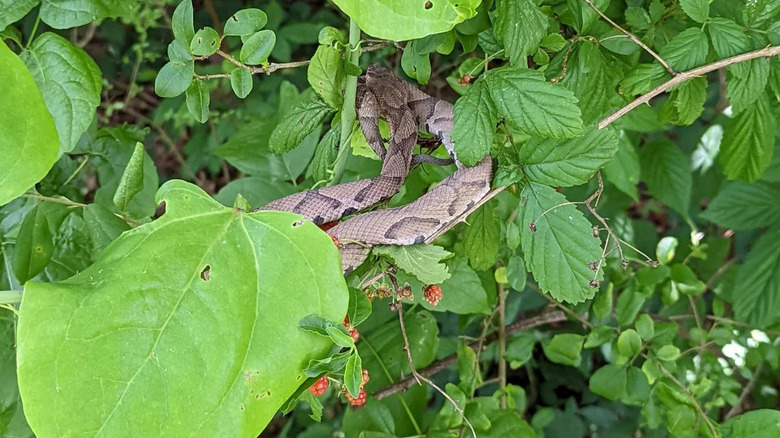
Blackberry bushes, whether the native trailing blackberrry (Rubus ursinus) or common Himalayan blackberry (Rubus armeniacus), are common places for snakes to hang out.
These bushes grow in dense thickets, which snakes like for shelter, and their berries attract birds and rodents, which many snakes eat. Snakes don't seem to mind the thorns, and climb into these bushes with ease.
Banana tree
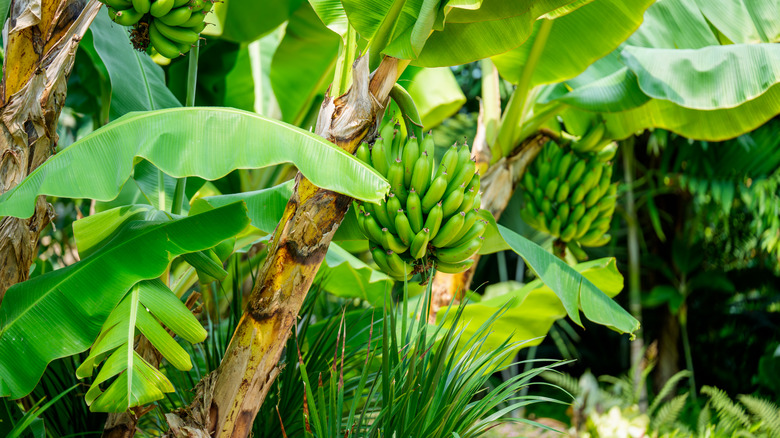
Banana trees (Musa acuminata) can be grown in southern and gulf coast climates of the U.S., producing fruit that snakes won't eat, but many other creatures do.
These tropical trees attract rats and frogs, which snakes like the invasive Burmese python or native black rat snake will happily climb up to hunt. Roof rats are a common pest in the South that love bananas and other tropical fruits, and if you have these rats, you probably have snakes. A black rat snake can eat dozens of rats a year.
Guava tree
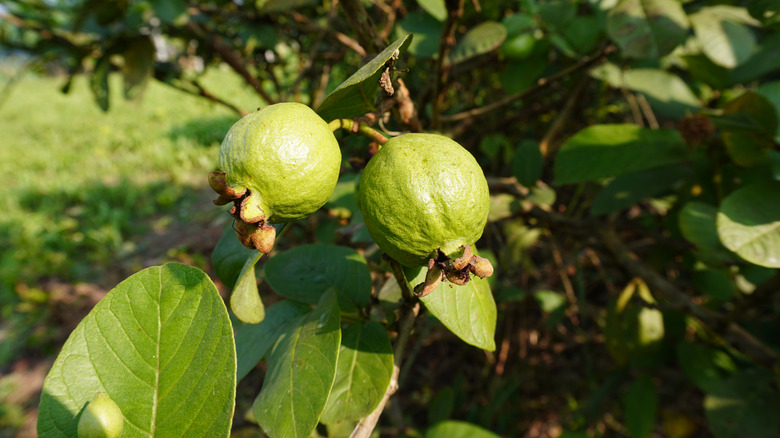
Like a banana tree, guava (Psidium guajava) provides plenty of food for fruit-loving rodents and birds, which in turn brings on the snakes. A popular tree in Florida, the guava can grow low-hanging branches that provide cover for snakes who go hunting for rodents attracted to the fallen fruit. Climbing snakes may even rest among guava branches.
Pruning and clearing the ground around the base of these trees can help keep snakes from visiting, like this large gopher snake did among the guava trees on Bear Valley Organics farm.
Water lily
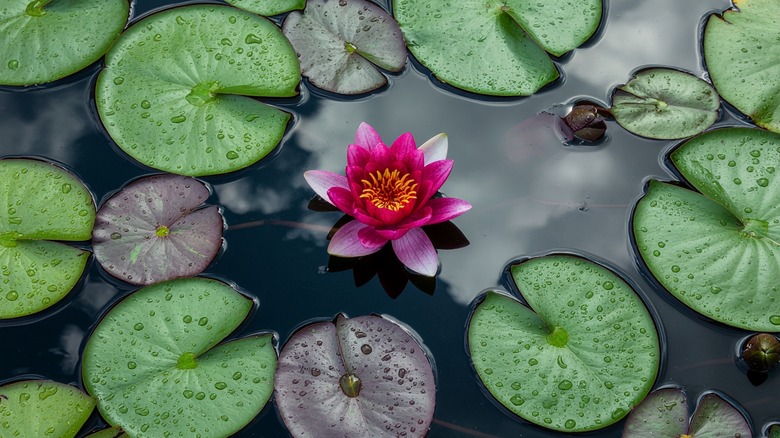
If you have a small pond as part of your garden, you know it is a wildlife magnet. If you add water lilies (Nymphaea spp.) to your pond, you are increasing the chances that you'll invite snakes along to the pool party.
Broad floating water lily leaves are the perfect hang spot not just for water serpents like the brown water snake, but for the common back yard garter snake, who loves to swim. These snakes will happily use your water lilies as resting or basking stops on their hunt for the frogs and insects that inhabit your pond.