

Why Sleeping Porches Disappeared After The 1940s
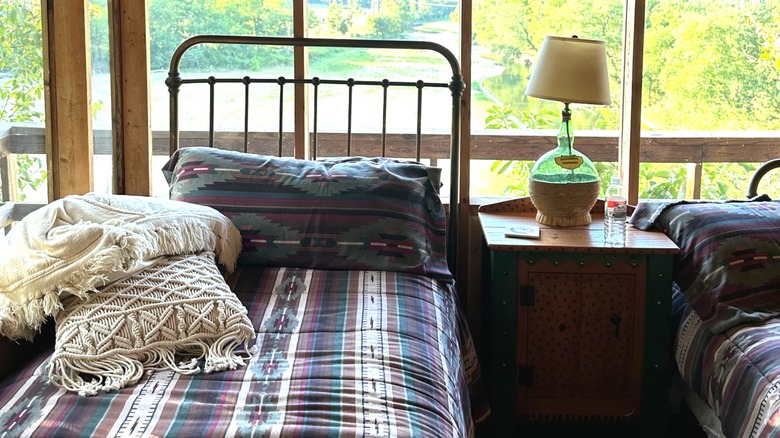
The sort of indoor-outdoor architectural integration so valued today was once a matter of course for those in the warmer parts of the United States, where summertime temperatures dictated a number of common home features ... including the sleeping porch. These days, the very idea of a sleeping porch is alien to most of us. Our bedrooms are our sanctuaries, and the notion of giving that and almost all privacy up — even temporarily — is practically anathema. But, then, now we have air conditioning.
Readily-available climate control wasn't the only reason for the decline of sleeping porches, but it was probably the deal-breaker. People with sleeping porches might not have voluntarily moved inside to the sweltering upstairs bedroom and sweaty sheets of midsummer nights just to escape the noise of increasingly popular automobiles. But there were other considerations. Design trends have always been tied to wellness, and we found more medicine-focused ways of dealing with diseases like tuberculosis, which fresh air was thought to improve. The advent of television probably had a bit to do with people retreating indoors as well.
Starting in the 1930s and accelerating after World War II, air conditioning had a profound effect on sleeping habits and, partly as a result, on the architecture of the American South. And the sleeping porch wasn't the only porch to suffer as a result, since the wraparound porch — once a means of shading windows from the onslaught of summer sun — also began to decline. Ceilings were higher before air conditioning because heat rises, and window and shutter systems also went through major changes as a result of climate-controlled residential spaces.
The fall and rise of the American porch
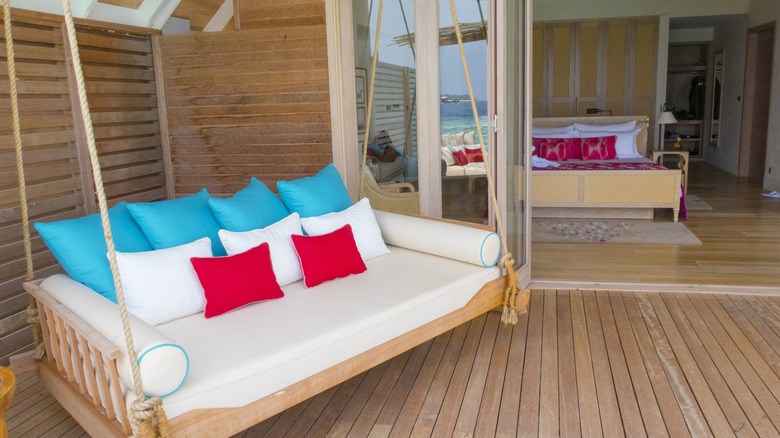
Sleeping porches were often designed to get as much air flow as possible, so they were typically situated on the upper floors of multi-storey homes or located near the building's corners to have two sides open to breezes. Perhaps what's most remarkable about the sleeping porch is that it was mostly a 20th century innovation, adding value to the showy, multi-level porches that began to appear in the 1800s. While Southern architecture — from high ceilings to shotgun houses — had evolved for centuries to undercut the climate's heat, there was still room for this new idea ... at least for as long as it lasted. Sleeping porches were generally appointed like the corner of a bedroom, with children's porches perhaps featuring a few toys and maybe a row of beds for siblings. All of this simply moved indoors as porches were enclosed for living space.
As the front porch retreated, its social functions moved to backyards. Porch-less homes emerged, at first unburdened by the nostalgia for porches most of us feel today, though it still must have seemed odd to the old-timers. A few generations later, however, porches began to see an uptick in popularity once again. Almost two-thirds of new American homes in 2022 were built with porches. And we've started to see sleeping — or, at least, napping — porches gain popularity again. It seems that what was lost when we began to seal ourselves into our homes also included the sound of cicadas and the smells of a verdant summer garden carried on a summer breeze.