

Rabbits Won't Stop Nesting In Your Yard? Here's Why
We may receive a commission on purchases made from links.
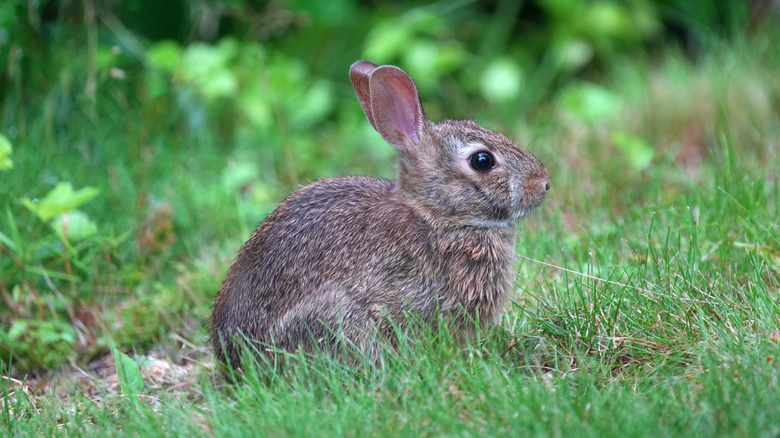
Many of us try to keep our yards tidy and inviting. But if you notice rabbits have moved onto your property, then it's time to snatch up the welcome mat. Rabbits are adorable creatures that will destroy your landscaping, garden, and anything else they can munch on — which, frankly, isn't cute at all. Lots of bunnies will naturally make the problem much worse. If a rabbit keeps nesting in your yard, it means she's feeling safe and comfortable enough to care for her babies there. Although sweet, it could negatively impact your property if you don't take action.
There are plenty of ways to keep critters out of your garden and backyard areas. When it comes to rabbits, they won't stick around if the conditions aren't right. A delicious food source, like a garden, is attractive to rabbits. They also want a home where they feel protected from predators, so overgrown grass, tall vegetation, brush piles, and other hiding spots are ideal. Even your leftover pile of wood from winter can help shield them from danger. It's the reliable combination of amenities that entices a rabbit to keep coming back to nest.
Bunnies reproduce at a very quick rate, with a female being capable of birthing multiple litters during breeding season. Although the size of the litters may vary, they typically consist of five rabbits, according to the Wildlife Center of Virginia. With so many rabbits in your yard, you might feel like you're running a bunny retreat! You can take it back by making changes to the habitat that is drawing them there and helping them thrive.
Here's how to deter bunnies from nesting on your property
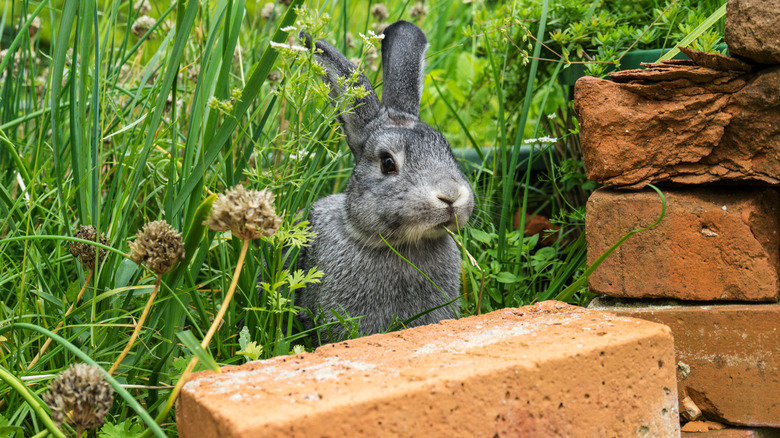
The first things to address are food and water sources in your yard that are allowing rabbits to nest comfortably. If your garden doesn't have a fence, it's definitely time to build one. Make sure it's buried a few inches underground and that there aren't any large holes that rabbits will sneak through to reach your flowers and veggie plants. Any fast-growing fruit trees should be monitored, as you'll want to pick up any fruit that falls on the ground. The same goes for seeds that get knocked out of your birdfeeder. Do a sweep of your yard to see if there are any other places where rabbits might be getting free meals. With nothing to eat, they may have no other choice but to move on to a better residence.
Next, you'll want to make your yard feel less like a safe zone. Mow your grass, trim shrubs, pull weeds, and eliminate any piles that might be a haven for rabbits. It'll be something you'll have to do on a regular basis to ensure new guests don't take over. When you have to deal with these common garden pests setting up a nest, you can try to scare them away. Put up shiny or moving lawn decor that will give them the sense that a predator is around, or go the extra mile by frequently applying predator odor repellents (such as fox or coyote urine) or products like Liquid Fence Deer And Rabbit Repellent. Even the sight of your pets roaming the yard can be effective at keeping rabbits from settling in. You could also take advantage of motion-activated lights or sprinklers that'll cause them to run for the hills and pick a different spot to nest.