

The Beautiful Flowering Plant That Could Help Naturally Repel Mice
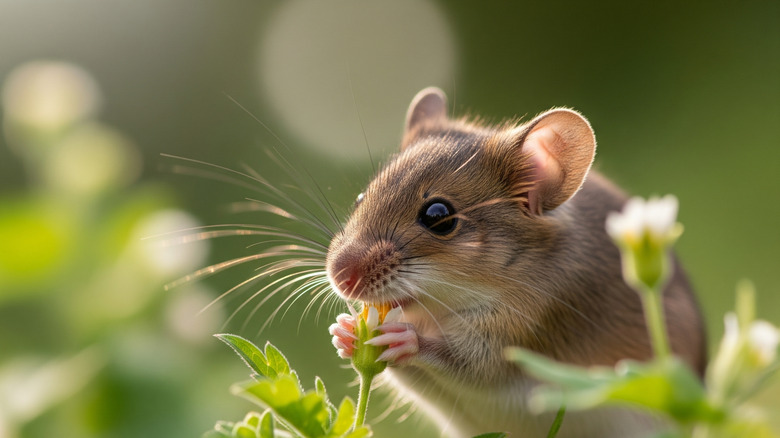
Welcoming wildlife to your backyard is often an exciting aspect of gardening. That is, until you see a flash of gray dash past your feet. Unfortunately, mice pose a much bigger threat than just their quick, startling movements. Rodents are notorious for their ability to carry and spread deadly diseases. So, if a mouse scurries through your garden bed, your crops are at risk of contamination. This is why it's important to take steps to get rid of mice as soon as you notice any activity. Surprisingly, there's a popular flowering plant that mice seem to detest: the daffodil (Narcissus spp.) Daffodils are the cheery, yellow blooms that grace our gardens once spring finally rolls back around. In addition to their sunny appearance and rodent-deterring abilities, they're among the all-around easiest flowers to grow.
Thanks to evolution, daffodils have developed chemical defenses to keep from being eaten. The leaves, stems, flowers, and bulbs contain over a dozen alkaloids that are toxic to several animals and humans. However, the highest concentration of alkaloids is in the bulb. A 2009 study published in HortTechnology revealed that prairie voles avoided daffodil bulbs, whether fresh or mixed into applesauce. Although its focus is on voles, it suggests that the plant's poisonous compounds may deter mice and other rodents as well. While more research needs to be done on mice specifically, anecdotal evidence also shows that mice tend to steer clear of daffodil bulbs.
How to grow daffodils to repel mice
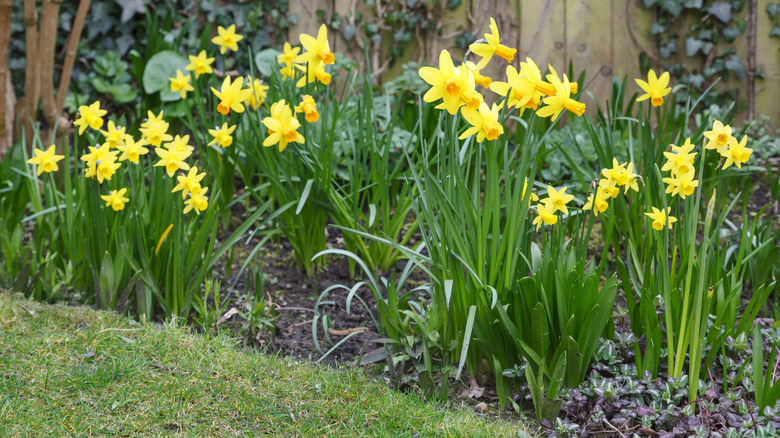
You need to be strategic when using pest-deterring plants as a line of defense against mice. Basically, you want your daffodils to act as a shield directly between mice and your garden. So, if they attempt to sneak into your yard, they're met with an unappealing border. Consider which direction the rodents are likely coming from. Typically, they live in lush, grassy areas with plenty of cover.
If you want to grow daffodils as part of your mice prevention plan, plant a row of bulbs between the rodent's habitat and your garden. Daffodils can grow in full sun, though their pretty flowers will last longer with part shade, especially in hot climates. Bury them about 8 inches deep, or 3 times the height of the bulb, in well-drained, acidic soil. Space them 4 to 6 inches apart, depending on the variety. In zones 4 to 8, they'll return year after year.
Remember, mice can be persistent. Some may push through the daffodil stems if food or other resources are on the other side. To further make your yard less appealing to rodents, eliminate as many food sources as possible. Clean up fallen birdseed and keep compost, trash, and pet food sealed. Do your best to keep your yard clutter-free. Mice feel vulnerable to predators in open areas, so they tend to avoid them. If dealing with an infestation, it's always best to consult a pest control professional.