

Prune These 10 Trees In February To Keep Them Thriving
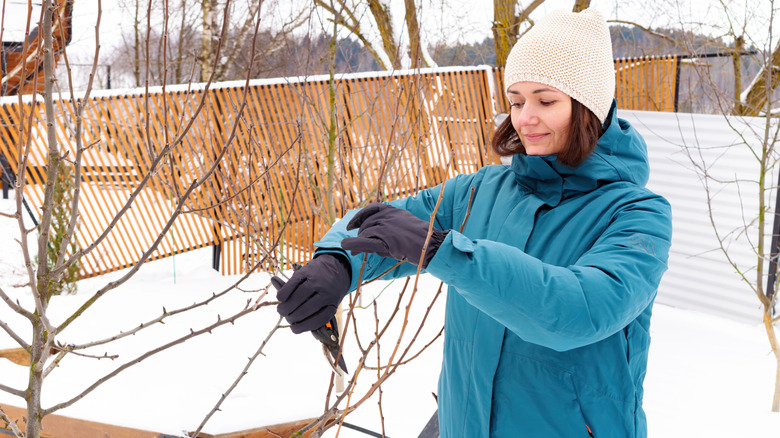
While the rest of your garden is sleeping peacefully under a blanket of snow or damp leaf litter, February is the perfect time to do some outdoor yard work. Deciduous trees enter a period of dormancy after losing their leaves in the fall. In late winter, before they wake up to put out new fruits, shoots, and blooms, it's a good time to give these sleeping trees a trim.
Among the many types of garden plants that benefit from February pruning are plenty of back yard trees planted for their beauty, shade, or food which can use a little winter maintenance. Fruit and ornamental trees benefit from having their canopy opened up to encourage more fruit and flower production come spring. Many types of shade trees, including beech and elm which "bleed" sap when cut, are best pruned during cold weather so they can heal before new growth begins and while disease and insects aren't as much of a concern.
February is a good pruning month in many climates because the risk of a deep freeze has mostly passed, even if it is still cold outside. (If you live in a spot where February is still icy, wait to prune until temperatures are more consistently above freezing or you could stress out your tree and do long term damage.)
Apple
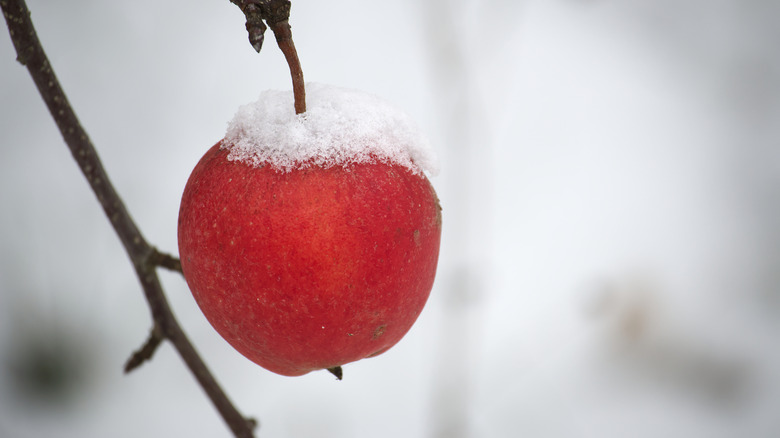
Late winter is the perfect time to prune your apple trees and encourage more fruit production this coming fall. Because most apple trees grow fruit on "spurs" from younger branches, concentrate on removing older limbs. On young trees that have reached your desired height, cut off the center "leader" so that it won't grow too tall. On more mature apple trees, you may need to aggressively thin out vertical "water sprouts" which can interfere with new fruit production.
Pear
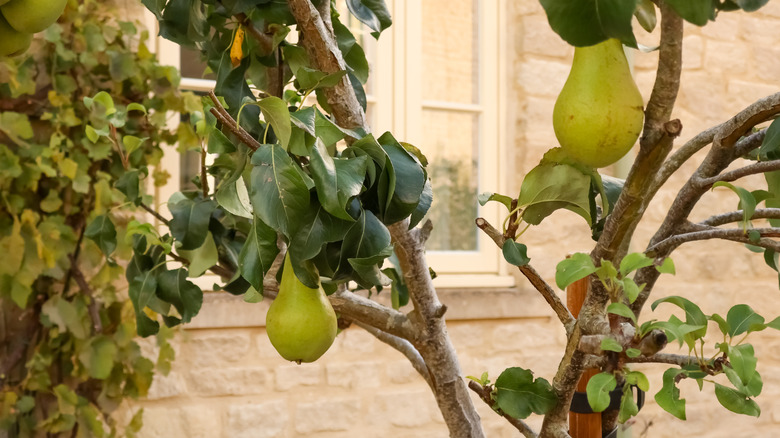
Like apple trees, pear trees are a great target for February pruning to encourage more fruit production while making them easier to harvest. As demonstrated in this YouTube video, annual, targeted pruning each winter will shape your pear tree into the perfect height and shape. Focus on removing inward-growing and vertical branches to open up the tree's canopy so that sunlight and air reaches the younger branches which will be growing the most fruit.
Oak
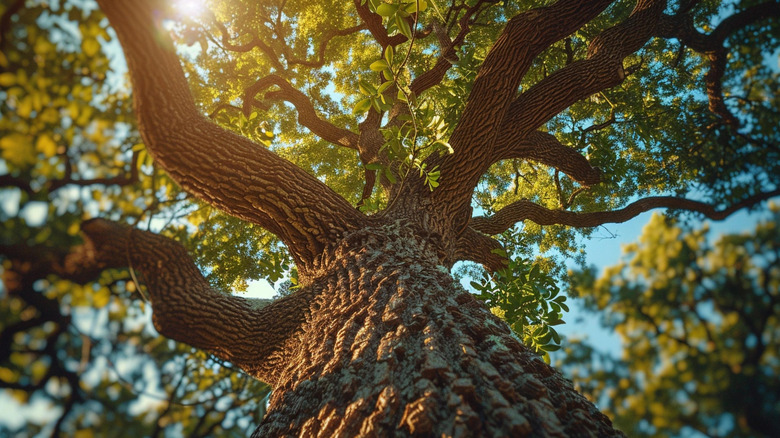
That gorgeous, shady oak tree (Quercus spp.) in your back yard is primed for pruning in February when its sap is not yet running and disease-spreading beetles won't flock to a freshly cut branch. Oak wilt is a real concern, but winter-time pruning reduces the risk of this killer disease. Oaks also benefit from a winter trim to remove hazardous, old, or cracked branches that could come down on a future windy day.
Elm
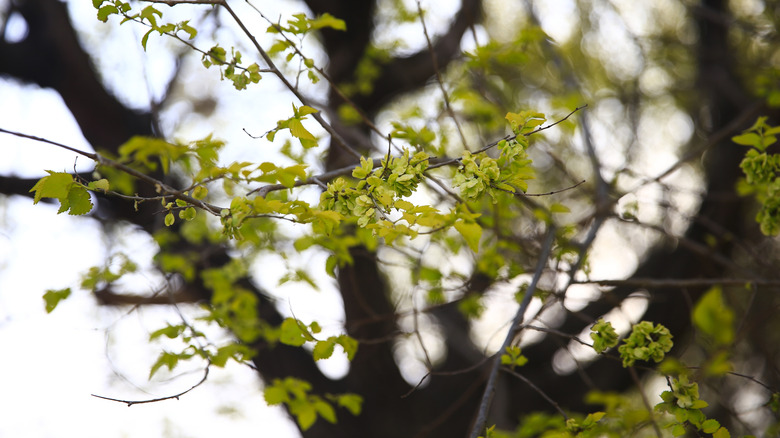
Pruning American elm trees (Ulmus americana) in winter is a precaution that can help with the spread of the devastating Dutch Elm disease which is carried by bark beetles who love to burrow into old and weak branches. Pruning to remove these old or dead limbs in winter is safest since the beetles aren't on the move. Pruning your elm in February will also encourage healthy springtime growth that can better resist disease.
Beech
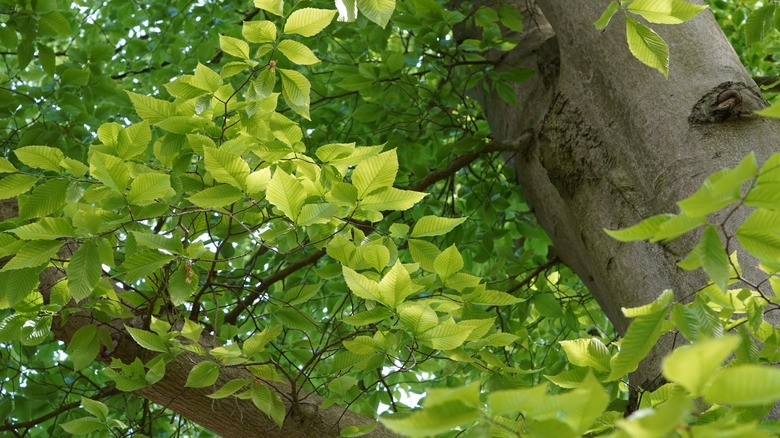
The American beech (Fagus grandifolia) is a statuesque, leafy deciduous tree beloved for its shade-producing qualities, hardwood, and wildlife-supporting beech nuts. These trees grow quite tall and can live for hundreds of years. Pruning dead or diseased branches from this tree while dormant in February will ensure it has plenty of time to heal up before sending out new growth.
Ash
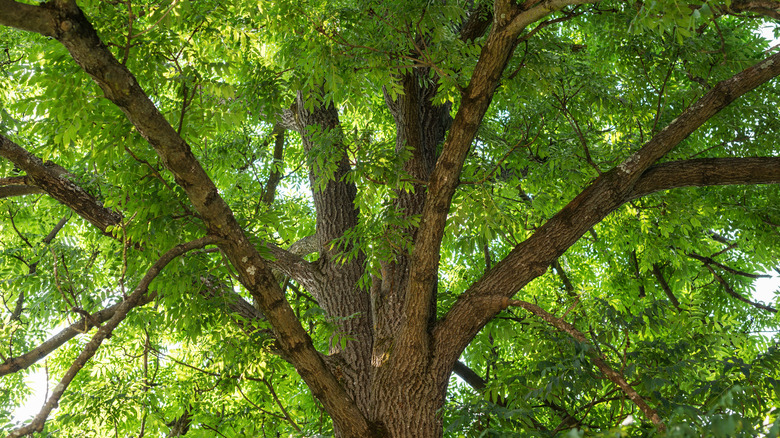
Another classic American tree is the ash (Fraxinus americana), which is an urban tree commonly planted in back yards and parks for its broad, shady canopy. Unfortunately, this beautiful deciduous tree is susceptible to infestation by the invasive emerald ash borer beetle. Pruning in February will allow you to inspect the tree for any sign of beetles and remove dead branches to improve overall tree health.
Fig
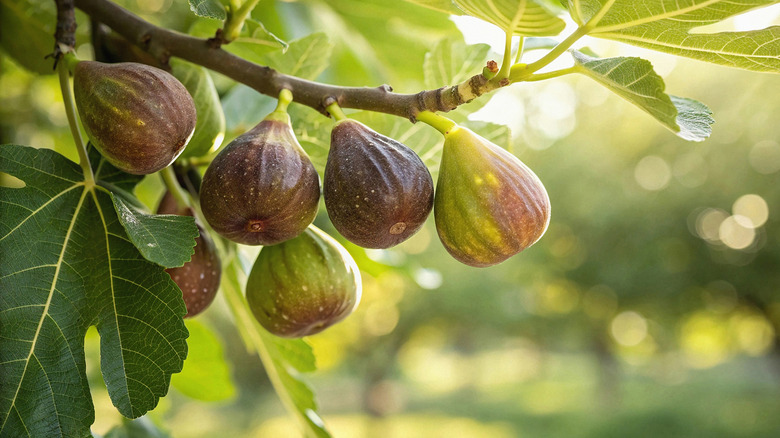
The common fig (Ficus carica) is a home garden favorite that's great for beginners. To keep your figs growing vigorously, regular pruning is important, and late winter is the time to do it. You can cut back young figs by up to half and remove suckers from the bottom to concentrate growth and fig production up top.
Ginkgo
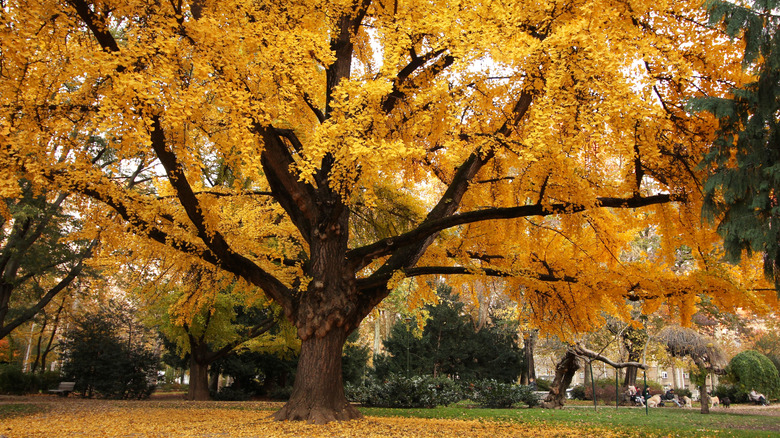
While not native to the United States, the ginkgo (Ginkgo biloba) is a hardy tree that's popular in backyards and urban parks. Its uniquely-shaped leaves turn a spectacular yellow each fall. Young trees can be trimmed when dormant in late winter so they develop strong limbs and an aesthetically pleasing shape. Once your ginkgo matures, it won't need a lot of pruning except for removing dead or broken branches.
Dogwood
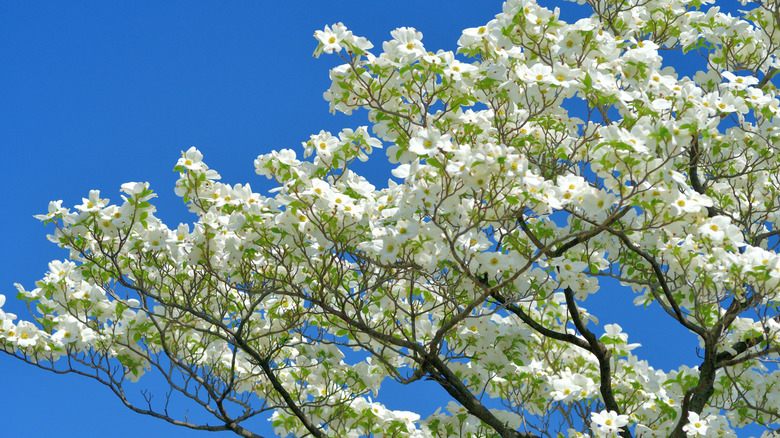
Dogwoods (Cornus florida) are known for their naturally pleasing shape and gorgeous show of white or pink flowers. They don't need a lot of pruning to look beautiful out your kitchen window. A light pruning while dormant in February, concentrating on dead or damaged branches, is all this small tree needs.
Crape myrtle
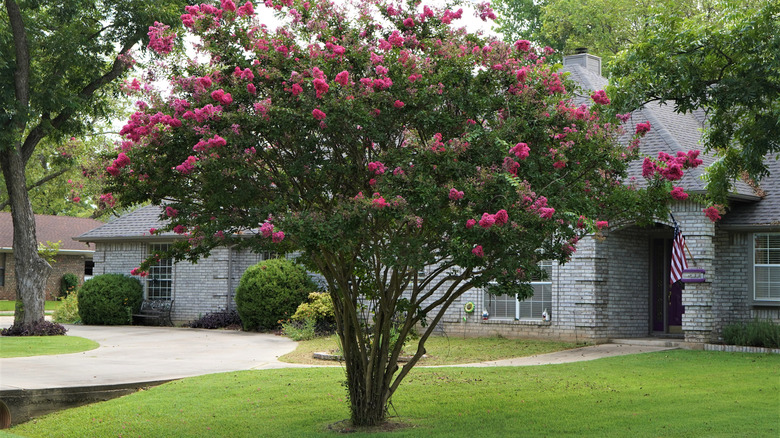
Another gorgeous suburban tree is the crape myrtle (Lagerstroemia indica), whose variegated winter-time bark is as lovely as its springtime pink or purple flowers. This tree stays fairly compact so aggressive pruning isn't needed, but some thinning out of small, interior branches will allow better sun and air penetration for healthy growth. As with the other trees on this list, February is a good time for this since you'll be able to clearly see the structure of your tree and make targeted cuts.