

Think Twice Before Using Bleach To Clean These 14 Things In Your Home
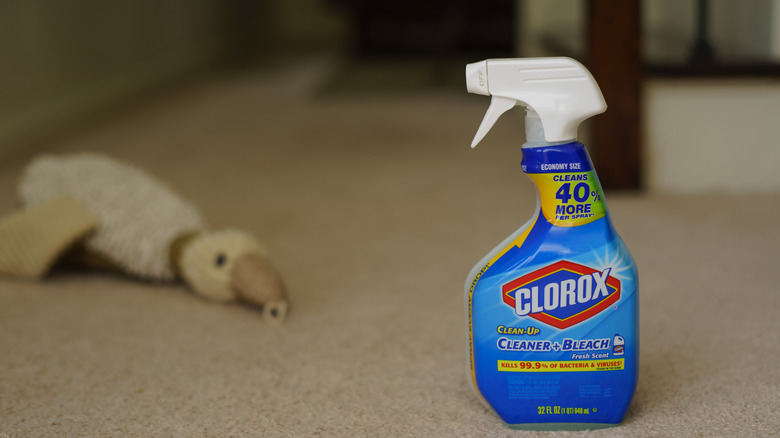
Keeping your home clean is important for your health and well-being, but it's crucial to go about it the right way. Knowing how often you really need to clean everything can help, and you'll also want to make sure you're using the right cleaning solution. Bleach is a useful disinfectant when used correctly, but it can cause serious problems when misused. Many of us know the dangers of bleach fumes and how it can impact your health, and it can damage or even ruin certain household objects.
Depending on the material, bleach can cause discoloration or deterioration. This can be as mild as changing the color of the surface in a few spots or as serious as causing a total breakdown. Some materials can also absorb bleach, causing them to warp over time. Even if the material is safe to disinfect with bleach, you should be careful. Make sure the room is properly ventilated and wear protective gear to limit the risk of bleach getting on your skin or in your eyes. No matter what you're cleaning, never mix bleach with other cleaning chemicals. Dilute the bleach with water as well, to limit both the fumes that are produced and the potential damage to surfaces. Pure, full-strength bleach may be too harsh even for materials that aren't easily damaged by bleach. Diluted bleach can be used to disinfect many surfaces, but here are some things you shouldn't clean with any amount of bleach.
Wooden furniture

While wooden furniture can handle an occasional cleaning with diluted bleach, you should avoid it as much as possible. Bleach can damage the finish on wood surfaces over time. If the wood was stained or painted, the bleach may strip the color from it, leaving your wood with discolored sections. The bleach may even soak into the wood and damage it by breaking down the lignin in its cells. This can weaken the wood over time and make it more prone to damage and staining. Whenever possible, stick to soap and water or a wood-specific cleaning product.
Curtains
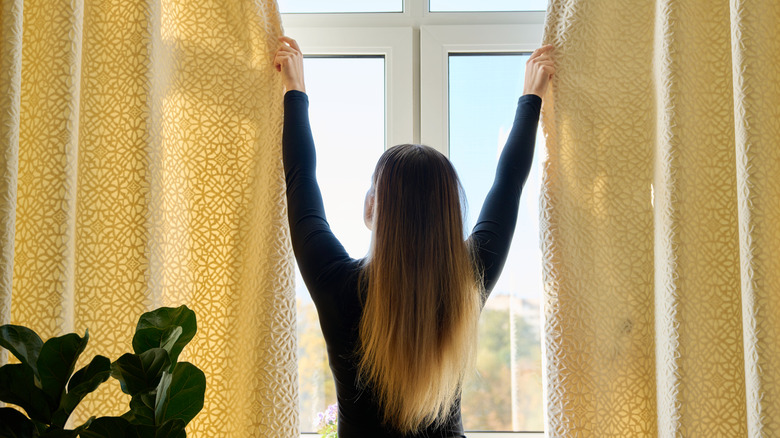
When thinking about how to clean curtains and drapes, it may seem intuitive to add some bleach to the wash. However, this could result in disaster. Bleach can break down some fabric dyes, leading to splotches where the color of your curtains is faded or changed. Additionally, certain fabrics are delicate, and using bleach can damage them. You may end up with brittle spots or even holes in your curtains. Instead, use a gentler detergent and follow the washing recommendations from your curtain's manufacturer to avoid any potential problems.
Television screens
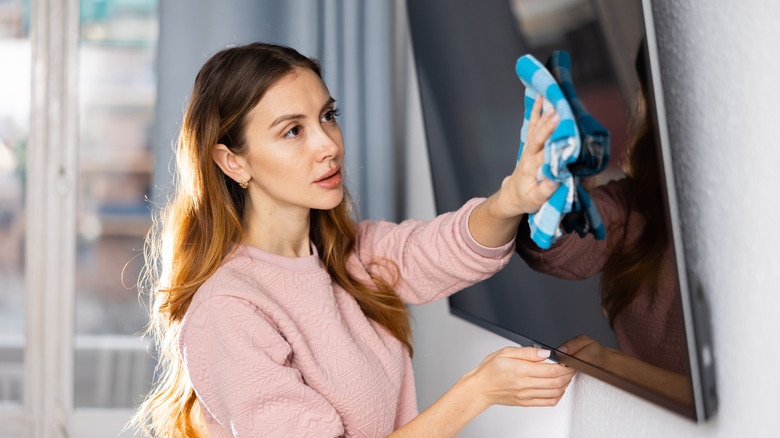
No matter how much dust collects on your television screen, you should never clean it with bleach. Liquids in general should be used sparingly when cleaning your electronics, but harsh chemicals like bleach are particularly harmful. Most modern tvs have a coating over the screen to either reduce the amount of glare or keep the display clear. Bleach can damage this coating, leaving your tv screen with foggy patches. Stick to a gentle wipe down with a soft cloth to keep your screen unscratched. The same goes for other types of electronic screens, such as laptops and phones.
Refrigerator door seals
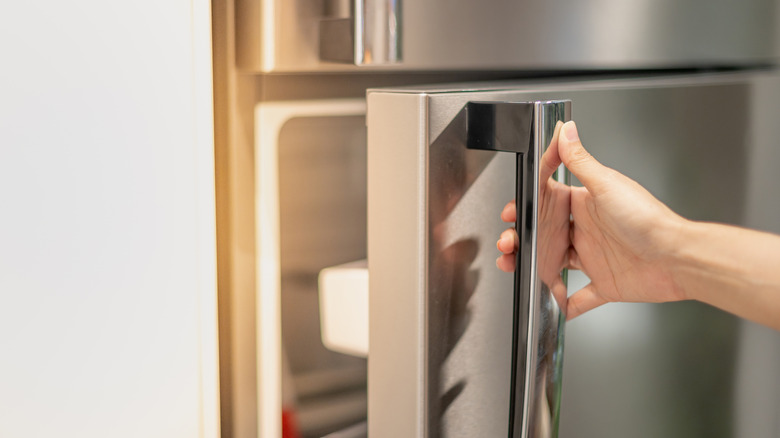
Bleach can be useful for disinfecting the inside of your fridge, but you should take care to avoid getting any on the rubber seals at the edge of the door. Bleach can break down rubber over time, and the refrigerator door seals are important for keeping your fridge cold. If you do get a bit of bleach on them, don't panic. The degradation doesn't happen overnight! Just limit the amount of contact it has with bleach and use soapy water instead. If it does become too damaged, replace it to keep your fridge working correctly.
Drains
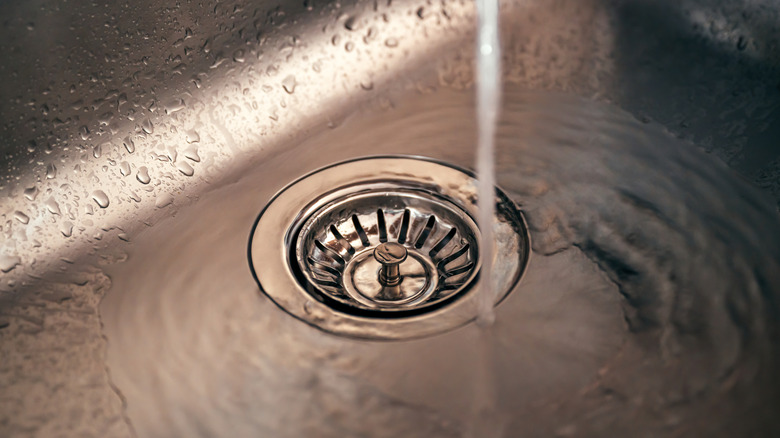
If your drains are clogged, it may be tempting to just dump bleach down them and call it a day. However, this can lead to more problems in the long run! Not only is it ineffective against clogs, but it could react dangerously with the substances already in your pipes or with any chemicals that you use next. Bleach can also corrode your pipes, along with any rubber gaskets used to seal them. Only use drain-specific cleaners to clear out your pipes. If you need to dispose of old bleach, take it to an appropriate hazardous waste facility.
Window sealing strips
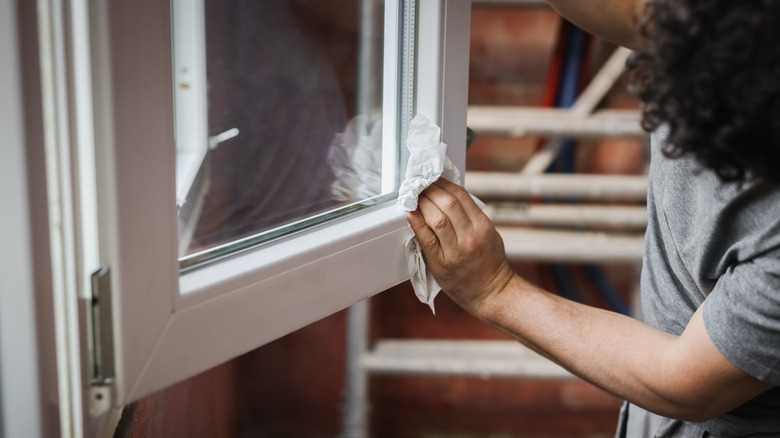
Similar to the rubber seal on your fridge door, you should avoid cleaning the seals around your window with bleach. These strips of rubber block the tiny gaps in your window, stopping drafts and preventing pests from squeezing through. If they start to break down, you may end up with a colder, draftier house. Drafts make it harder to regulate the temperature indoors, resulting in a higher energy bill. They do wear out over time, but washing them with bleach can speed the process up. Switch to soapy water to help them last longer.
Suitcases
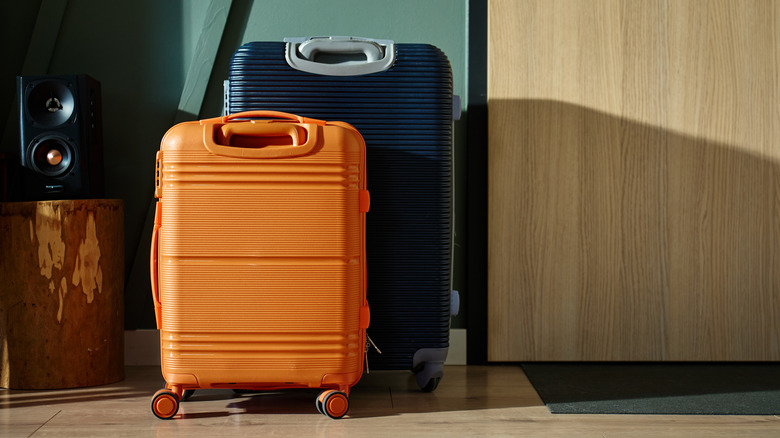
Giving your suitcase a thorough cleaning after a long trip may be a good idea, but whether or not you should use bleach depends on a few things. If the suitcase is fabric or leather, you should avoid bleach entirely as it can damage and discolor the material. Clean them gently with soap and water, and focus on visible spots and stains rather than washing the entire case. Hardshell suitcases made of plastic or metal may hold up better under bleach, but they still don't really need it. A simple wipe down with soapy water is typically enough.
Stuffed animals
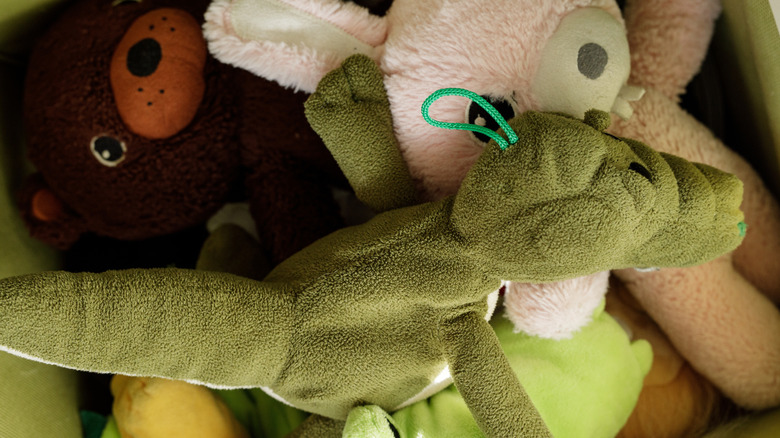
Whether it's your child's favorite stuffed friend or your vintage decorative toy, your stuffed animals need gentler treatment than bleach can offer. Cleaning them with bleach could lead to faded colors or damaged fabric. Plus, if the toy is still being regularly played with, the scent of bleach isn't exactly pleasant. Use water and a mild soap or detergent to wash modern stuffed animals. Vintage toys may be more delicate, so avoid washing them with a machine at all. Instead, use a damp cloth or soft brush for a gentle spot clean.
Decorative pillows
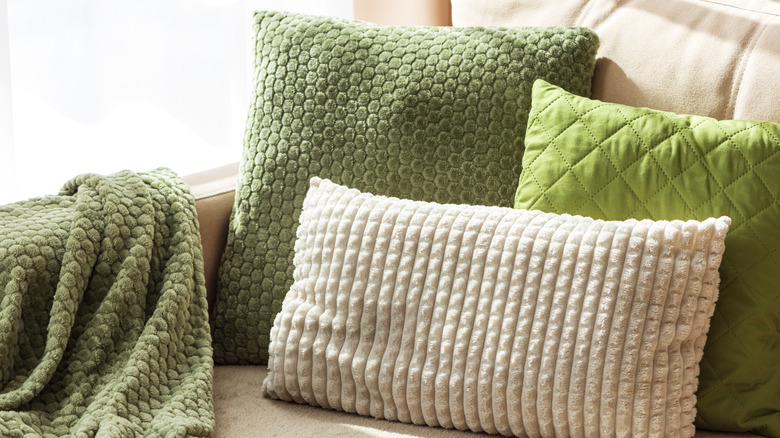
If someone spilled juice on your decorative pillows, bleach is not the best way to get rid of the stain. Not only can bleach discolor or damage fabric, but it may even strip the things that make your pillow decorative. If your decorative pillow has beads, sequins, glitter, or delicate embroidery, washing them with bleach could be disastrous. Bleach can make them lose their shine and warp, and it may damage the threads holding them on. Always follow the washing instructions that came with your decorative pillow. When in doubt, handwash them gently with cool water and soap.
Walls
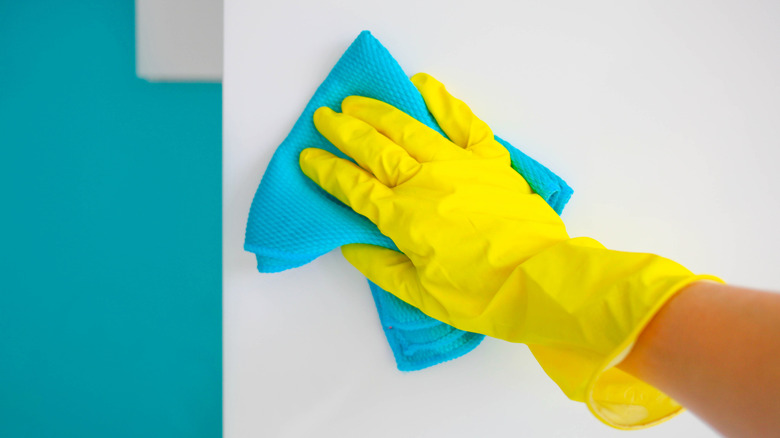
Using bleach to clean your walls may seem simple and effective, but it could be disastrous for your paint job. Bleach can cause some paint to warp or become discolored. If you're washing an exterior wall, bleach could impact the plants around your home as well. Unless you're washing an interior wall and know for certain that your home is painted with bleach-resistant paints or coatings, it's best to avoid bleach altogether. It's also typically unnecessary. Soap and water should get rid of most dirt and grime without causing damage. For exterior walls, a power washer may be more effective.
Leather sofas
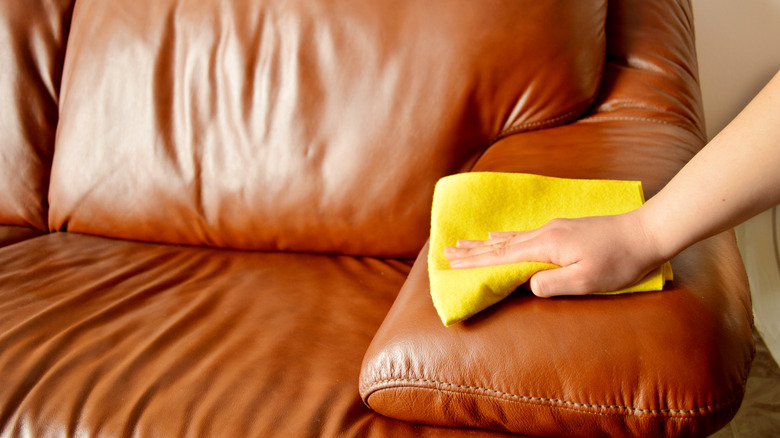
If you're trying to clean stubborn stains of your leather sofa, don't reach for the bleach. Any amount bleach can cause severe damage to leather. It dries out the natural oils present in leather, causing it to crack and weaken. It may also stain the leather, replacing the stain you were trying to remove with a lighter patch on your couch. Keep your couch in good condition by using cool water and a mild soap, then drying it. You can also use vinegar, baking soda, or a leather-specific cleaning product.
Vintage clocks
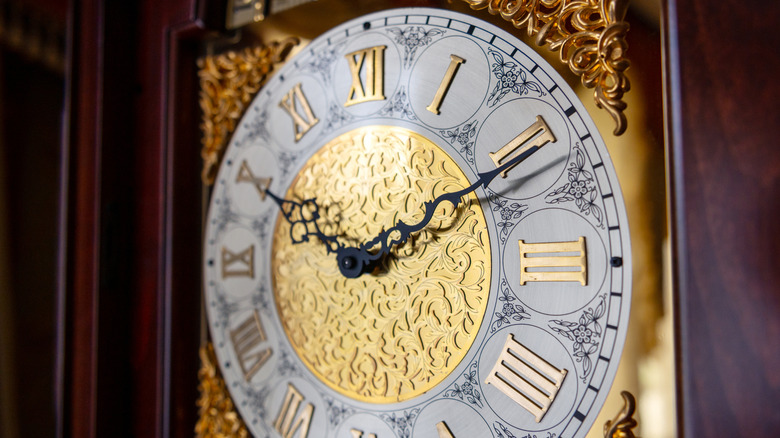
Clocks, especially vintage ones, are a delicate mix of machinery and art. The gears that keep the hands moving at the correct pace can sometimes be quite small and easy to damage, and some clocks feature ornate woodworking or metal embellishments. To keep it working smoothly and in its best condition, skip the harsh chemicals like bleach that can corrode the metal and weaken the wood. Instead, use a soft cloth and soapy water to clean each part of the clock individually every few years and dust them regularly in between deeper cleanings.
Linoleum floors
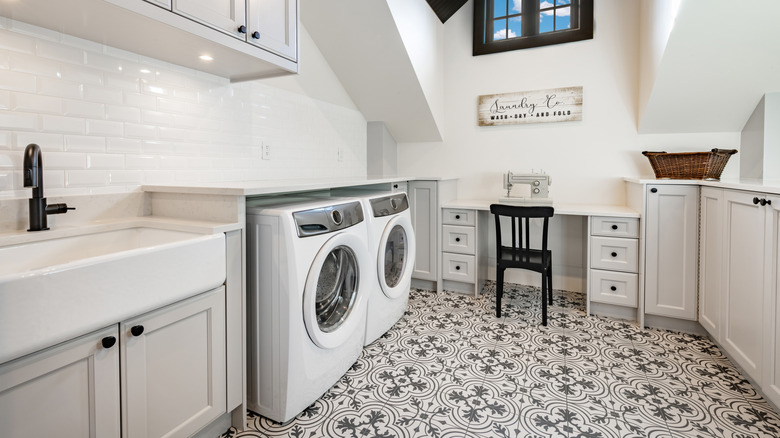
Linoleum floors are known for being cost effective, but they aren't the most durable flooring option. Bleach, along with other harsh chemicals, can damage the linoleum's protective coating. Without this coating, your linoleum floors will be at a higher risk for damage, especially in high-traffic areas where they're already under a lot of stress. If you want your floors to last a long time, stick with the classic mop and soapy water. Use a small amount of water and dry it afterwards so the water doesn't sit on the surface or seep underneath it.
Silk flowers
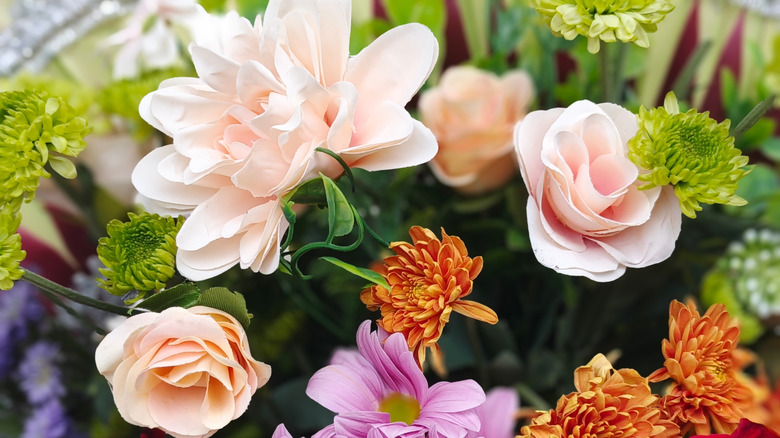
Silk flowers are a great way to add color to your home throughout the year, especially during winter when real flowers have faded. However, your silk flowers can still wither — metaphorically speaking. Bleach breaks down the proteins in silk, damaging the fibers. It can cause the colors to fade and the fabric to weaken and tear. Chances are, your silk flowers won't look as lively after being washed with bleach. Instead, you should take them outside and shake the dust loose. If the dust is stuck, use a soft brush or blow them off with your hairdryer.