

This Estate Sale Find May Seem Valuable, But Experts Say Skip It
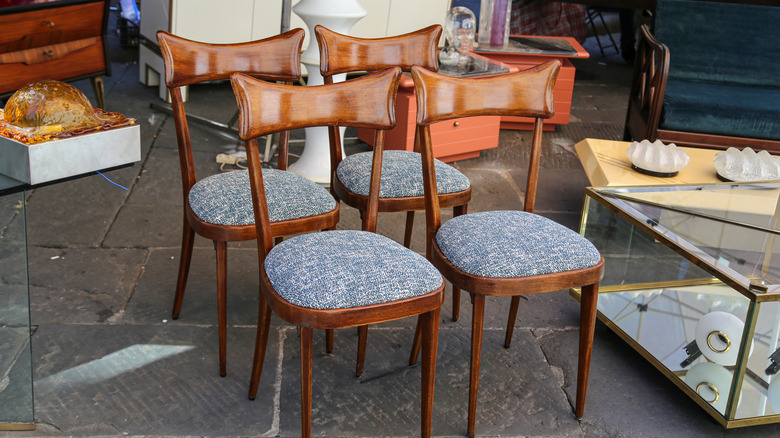
Modern treasure hunting often takes the form of visiting estate sales for unique finds, from a set of mid-mod chairs that will look great in your dining nook, to an 18th-century credenza perfect for storing your grandmother's china. There are many prized items you shouldn't pass up at an estate sale, but tread carefully with antique-looking furniture if collectability and value are important to you. If a piece has been painted, you may want to pass on the purchase, since much of the value might have been lost when the paint was added.
If a piece of furniture is an antique, meaning it is over 100 years old, its value doesn't just come from its age. The value of an antique is also determined by its rarity, its craftsmanship and condition, and its historical importance. The most valuable wood antiques are hand-crafted, and while they may have some wear and tear from years of use, original finishes mean higher value. Dallas Auction Gallery owner Reyne Hirsch tells MarthaStewart.com, "Much of the time [repainting or repair] greatly diminishes the collectability." Other experts agree. "Even lesser-treasures have underlying value that may increase — but only if the wood finish is left in place," writes RetroRenovation.com founder Pam Kueber for HuffPost. "There are and always will be aficionados who will pay a premium for un-remuddled antiques." So, if you are looking for a truly valuable antique find, stick to original finishes.
Why finishes matter
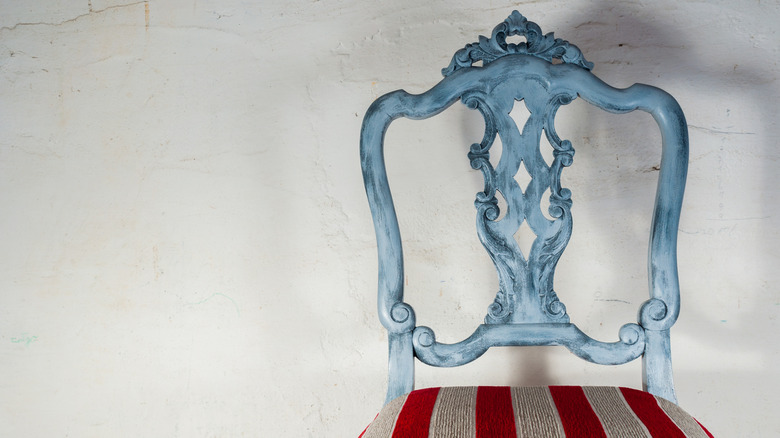
Appraiser Karen Keane tells Antiques Road Show that "the finish in a piece of wood either adds to its value or takes it away." And in most cases, appraisers value the original look of the wood. An altered finish on arts and crafts furniture like a Stickley bench or a Biedermeier chair has removed the whole reason these pieces are valuable — for their unique wood tones and precise craftsmanship that can't be found today. But sometimes the original may have come in color, like 18th-century pine farmhouse furniture that was commonly painted in muted blues or greens. If you are seeking authenticity, you'll need to know the provenance of a piece and whether its paint or patina is actually an original finish.
Sometimes, being painted may not be a big deal. Interior designer Linda Merrill points out that repainted antiques can be a big upgrade from the original, actually adding value in cases where the piece itself isn't considered a fine antique or particularly rare. And even if you spy an antique that probably shouldn't have been painted, it might still be worth your investment if you want to take on a DIY project. While you won't be able to restore its auction value, you can still paint a rattan chair or quality antique sideboard you've picked up at an estate sale to match your own personal style, making it valuable to you.