

12 Fast-Growing Fruit Trees That Are Perfect For Beginner Gardeners
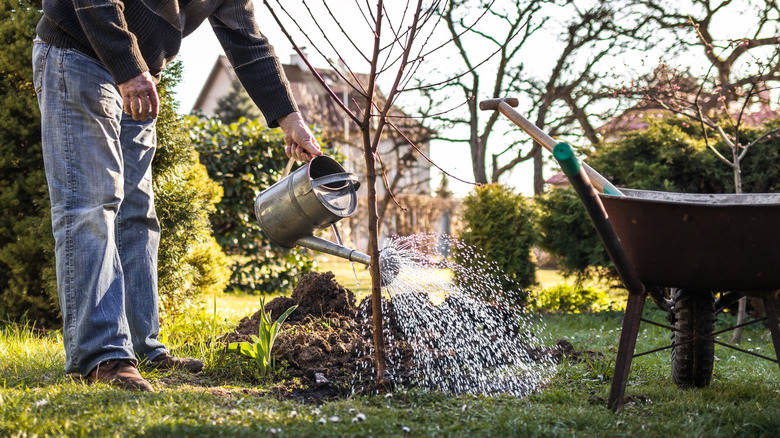
Fruit trees are among the most beneficial plants you can have in your yard. Not only do they provide you with fresh, organic food, but they also support wildlife and add more visual interest to your landscape. Plus, fruit picked straight off the branch tastes better than fruit that's spent weeks in a shipping container before reaching the grocery store shelf. However, some fruit trees take an exceptionally long time to mature, and others come with a great deal of maintenance or issues that can be daunting to beginner gardeners. Luckily, there are plenty of low-maintenance, fast-growing fruit trees you can get started with.
Before you plant any fruit trees, make sure you have a good spot for growing them. Most prefer neutral to acidic soil, so test your soil if you're unsure about its pH. Some species also need either an open area or wind protection, so take note of the different areas and microclimates in your yard. With their colorful fruits and pretty flowers, fruit trees are some of the best plants for getting started with edible landscaping, which means you may also want to consider which parts of your yard could use a visual boost. Once you choose your favorite tree, don't forget to check whether it's self-pollinating or if it will need another cultivar beside it to produce fruit. And remember — even if you don't have a lot of space outdoors, many fruit trees will grow perfectly fine indoors under the right conditions.
Key lime
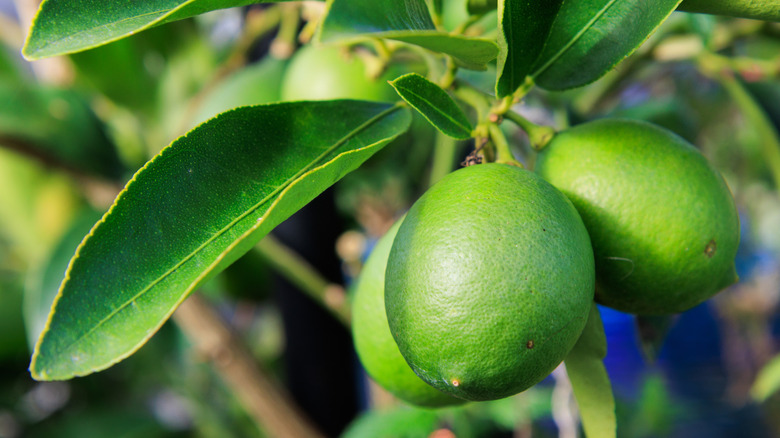
Key lime (Citrus x aurantiifolia) is a small, fast-growing citrus tree with edible fruits and leaves. Native to the hot and humid regions of southeastern Asia, it happily grows outdoors in USDA zones 9 to 11. In fact, this fruit got its common name after the establishment of commercial plantations in the Florida Keys back in the early 1900s. Growing to 6 to 13 feet tall, it's a great container plant in cooler climates, and it grows best in a warm, sunny area in alkaline, well-drained soil. Once established, you'll rarely need to water or fertilize it, and it doesn't require heavy pruning.
Downy cherry
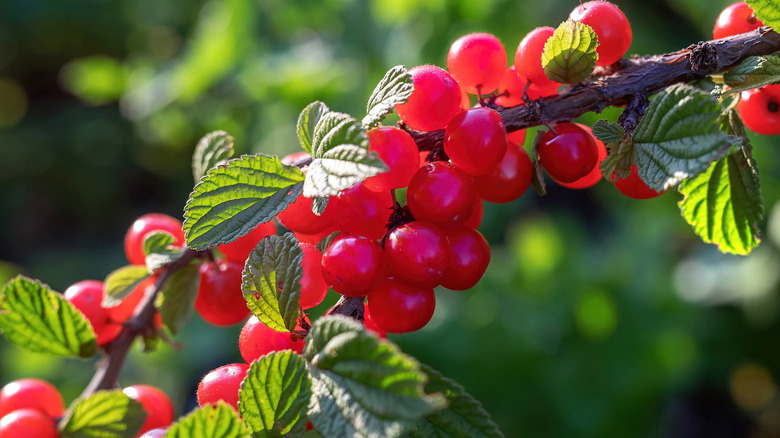
The downy cherry tree (Prunus tomentosa) is one of the best cherry trees for beginners. In spring, it produces a wave of gorgeous pink or white flower clusters before the bright red fruits appear in the summer. It has surprisingly impressive cold hardiness, growing best in USDA zones 2 to 7. Give it a wind-protected site in full sun to partial shade with neutral to acidic, well-drained soil. This tree grows about 2 feet each year and matures at about 6 to 10 feet. Pruning is only necessary to improve air circulation or remove dead and diseased wood.
Loquat
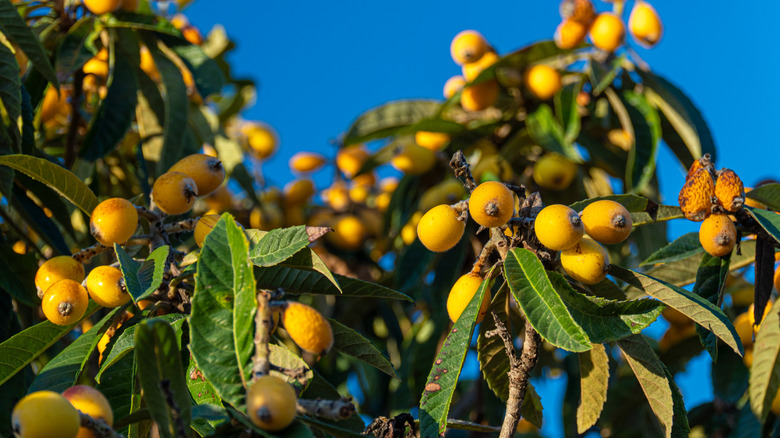
Also known as Japanese plum, loquat (Eriobotrya japonica) makes a stunning fruit-bearing accent tree. In fall and winter, its showy, whitish flowers attract hummingbirds, while the juicy, golden fruit appears in spring. The fruits have a sweet, honey-like flavor with a bit of tang and taste somewhat similar to peach or mango. This fast-growing tropical tree is best suited for USDA zones 8 to 11, and while the plant can withstand freezing temperatures, the fruit itself doesn't fare well below 28 degrees Fahrenheit. You can grow Japanese plum trees in most soils in full sun, and, once established, they have good drought tolerance.
Red mulberry
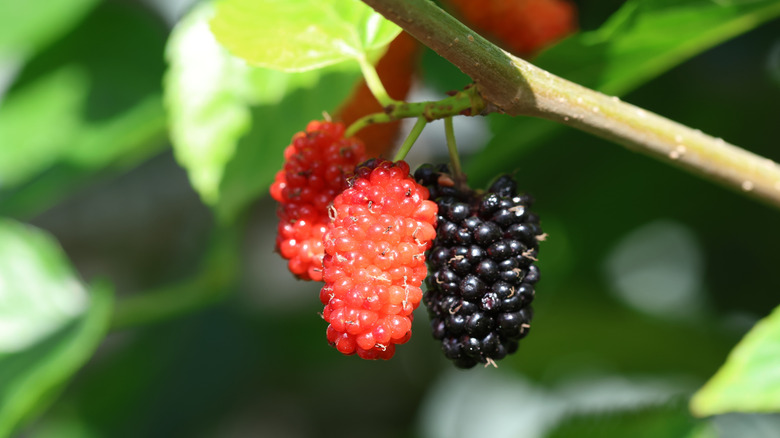
Red mulberry (Morus rubra) makes an excellent fast-growing shade tree and produces an abundance of delicious, blackberry-like fruit. This rapidly growing species adds about 10 feet of height annually and often produces fruit within its first year. Birds love its berries even more than we do, so harvest ripened fruit immediately. It can also be a tad messy, so plant your red mulberry tree away from patios and other stain-prone areas. This tree can grow in partial shade, but prefers rich, well-drained soil and a sunny site. With several cold-hardy cultivars, it's easily grown in USDA zones 4 to 9.
Pineapple guava
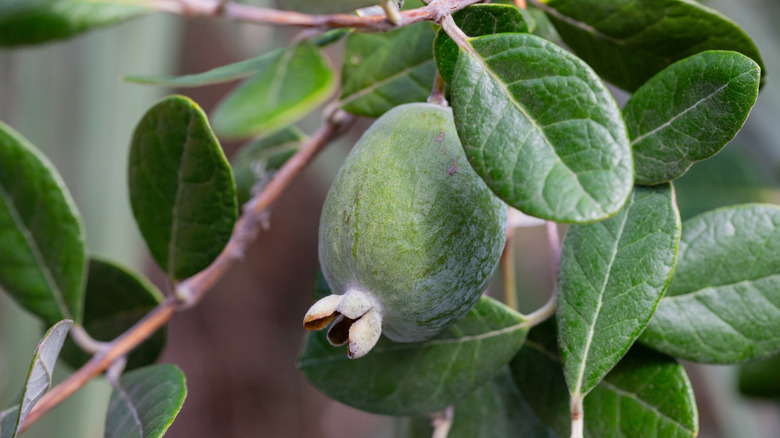
There's a lot to love about pineapple guava (Acca sellowiana). Not only does it produce tasty tropical fruit, but it also bears unique, showy flower clusters in shades of white, yellow, red, and purple during the spring and summer. In USDA zones 8 to 11, its silvery foliage adds year-round visual interest to the garden. It grows well in a range of soil types, including clay, and it requires little supplemental watering once established. It also rarely needs pruning. For the best flowers and fruits, however, you'll need to make sure to give your pineapple guava plenty of sunlight.
Marseille fig
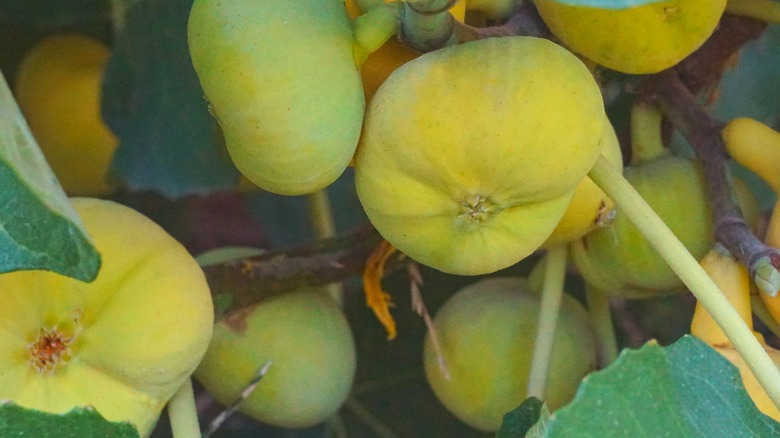
The Marseille fig (Ficus carica 'Marseille') was believed to be a favorite of Thomas Jefferson, and it's easy to see why. It's one of the most fast-growing cultivars, it's pest and disease resistant, and it has yellowish green fruit, which is less appealing to hungry birds. Marseille fig trees grow well in regions with warmer winters up to USDA zone 9, though they'll survive down to zone 6 with winter protection. This tree tolerates several well-draining soil textures and can grow in full sun or partial shade.
'Red Haven' peach
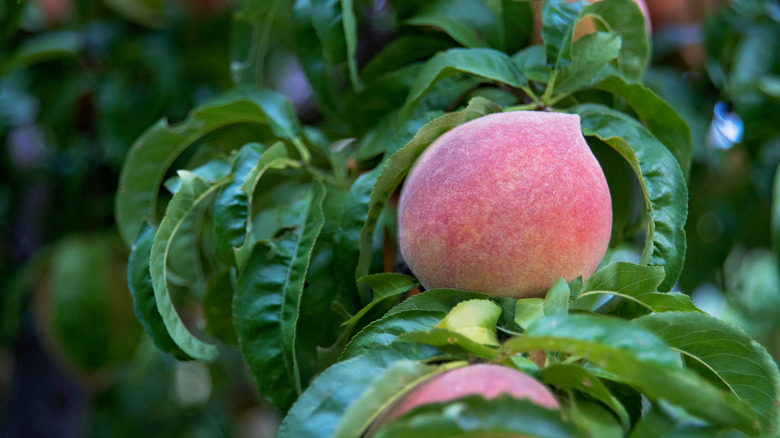
It's sometimes considered difficult to learn how to grow peaches because they're susceptible to several pests and diseases. Redhaven peaches (Prunus persica 'Redhaven') are resistant to peach leaf curl, however, one of the deadliest fungal diseases for this species, making this cultivar much easier for beginners to manage. All this tree asks for is lots of sun and well-drained soil. It needs 800 chill hours to produce fruit, so it's only suitable for USDA zones 5 to 8. Because it's such a vigorous grower, though, the main thing you'll need to do is thin it out from time to time.
American plum
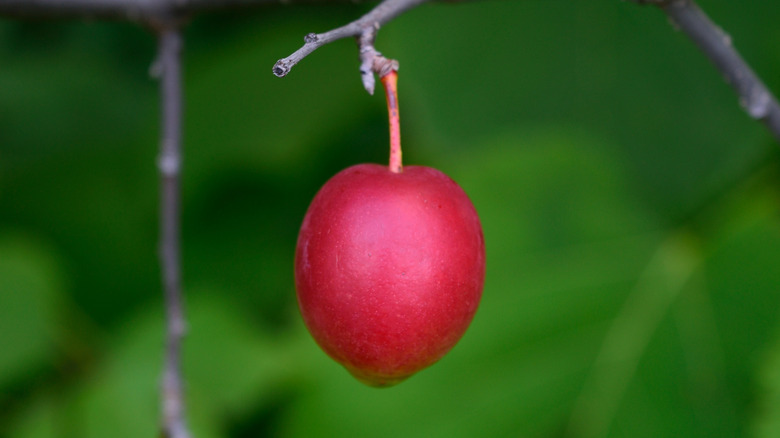
The American plum (Prunus americana) is one of the best native plants for landscaping, especially if you enjoy attracting wildlife. Its branches provide cover for songbirds, its white flower clusters bring in pollinators, and it's a host plant for many butterfly species. In addition to its juicy fruit, you'll love how easy it is to care for this fast-growing tree. Plums grow well in USDA zones 3 to 9, prefer most well-draining soil types, and can even grow in partial shade. That said, full sun will help it produce sweeter fruit. Your main maintenance task will be pruning to prevent it from spreading.
Kieffer Pear
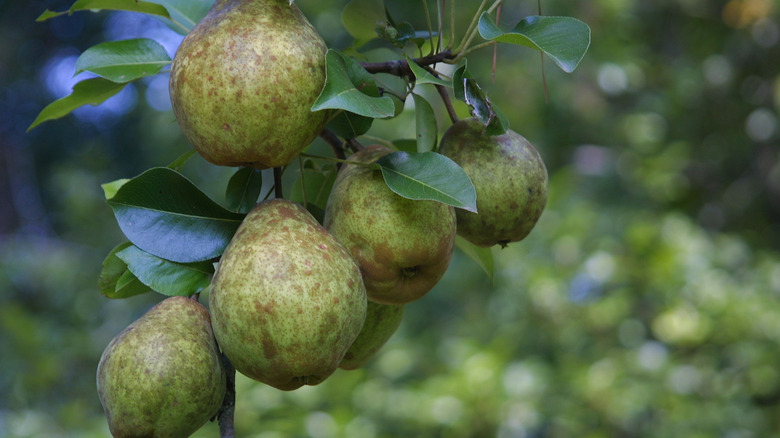
Although pears and apples exist within the same family tree, many consider pears to be the easier of the two to grow. The Kieffer pear (Pyrus communis 'Kieffer') is particularly well-suited to beginners, as it's resistant to fire blight, the only disease that plagues pear trees. Hardy in USDA zones 4 to 9, this easy-going cultivar is also drought and flood tolerant. To grow Kieffer pears, choose a site with slightly acidic, well-drained soil that receives full sun. You'll likely need two trees for successful pollination and fruiting. Pear trees need good air flow, so plant them in an open area and prune the branches when they get too crowded.
Juneberry
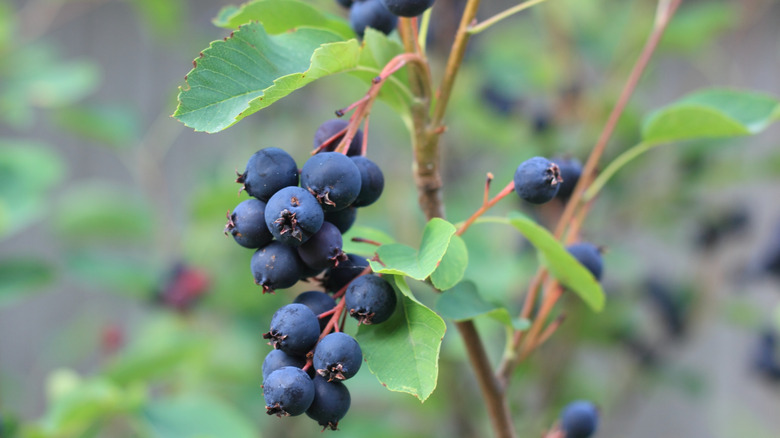
Juneberry (Amelanchier alnifolia) is a fast-growing fruit tree that both you and the wildlife will love having in the backyard. Birds and other animals use its dense branches for cover and love snacking on the blueberry-like fruit. It provides year-round interest with its bluish spring flowers, summer berries, and breathtaking fall foliage. Despite all of its appealing qualities, this tree is also surprisingly low maintenance. It's one of the few fruit trees that grow well in shade, though full sun is best. While Juneberry prefers loamy or sandy soil, it's also tolerant of many well-draining types. These trees are hardy in USDA zones 4 to 9.
Carambola
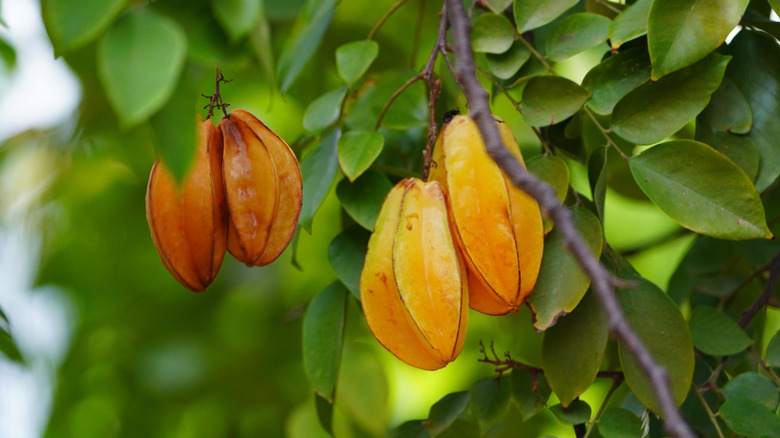
Better known as star fruit, carambolas (Averrhoa carambola) are incredibly fast and easy to grow, even if you don't have a green thumb. They can tolerate a range of well-drained soils and can be grown in full sun or partial shade. Once established, these trees are relatively tolerant of drought, so rainfall is typically enough to keep them happy. As southeast Asia natives, they thrive in warm, tropical climates. They're easily grown outdoors in USDA zones 10 to 12, but they can also be grown in containers and brought indoors once the temperatures drop.
Calamondin
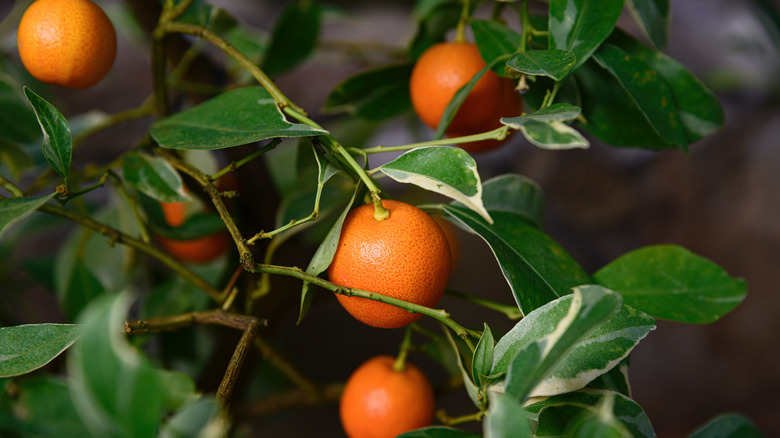
Calamondin (Citrofortunella microcarpa) is an underrated citrus tree that produces tangerine-like fruits that are the perfect combination of sweet and tart. The tree itself grows quickly and can even begin producing fruit within two years. Like most citrus trees, it can only be grown outdoors in tropical climates, so keep it in containers and overwinter indoors if you're outside of USDA zones 10 to 11. It grows best in moist, rich, well-drained soil and full sun to part shade. However, you'll get more of the pretty white flowers and a higher fruit yield with at least eight hours of light.