

Replace Your Bulky Closet Doors With A Unique Alternative To Refresh Your Space
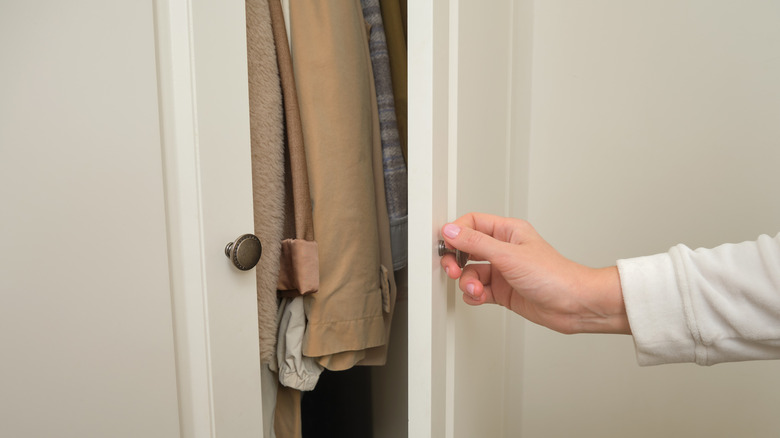
Your home should be a reflection of your style, tastes, and needs, but some parts of the house get more attention than others. If you've designed the master bedroom of your dreams, you may have run into this problem before. Your room is perfect for you, but what do you do about the closet? Creating a custom closet interior can help, but there's also an easy way to revamp the door. Instead of your typical bulky closet door, why not create a shoji-style door for a lighter appearance?
You've likely seen shoji screens before, although you may not know the name. Shoji are traditional Japanese sliding screens or doors made up of a wooden grid and translucent paper panels. The panels allow light through but obscure everything else, allowing a room to have both natural light and privacy. For a closet door, you don't need to worry about letting light in, so you can instead focus on achieving the aesthetic.
Traditional shoji paper is made from the fibers of specific shrubs and plants, but modern shoji paper is often synthetic. While you can use shoji paper if you want to create a more authentic shoji screen, you can also use any frosted stick-on window film for a shoji-inspired door. This project works best on doors with mirrors, as the mirror will reflect some light through the paper. Sliding doors will also make your shoji-inspired design look more traditional, although it isn't necessary. In addition to the paper, you'll need wood veneer strips and an appropriate adhesive.
Making your own shoji-style doors
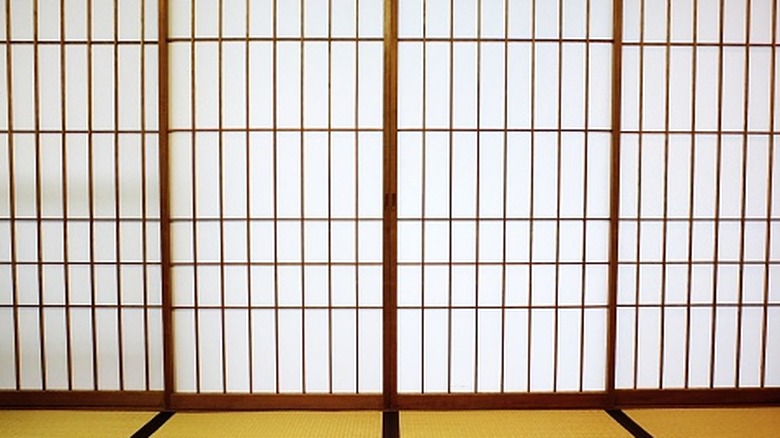
To turn your ordinary closet doors into shoji-inspired ones, first measure the door and mark where your wooden grid will fall. Some shoji screens have narrower gaps between the wood, creating many smaller panels, while others have larger gaps and fewer panels. While you can use larger pieces of wood, it's easier to use a thinner alternative such as wood veneer strips. If you want to completely replace your closet door, make sure the wood you're using is the same thickness or thinner than your original door so it doesn't stick out or jam.
You can stain or paint the wood strips before adhering them to the door if you're worried about staining the door. For sliding and folding doors, put a few strips on first, then test the door to be sure it still slides or folds smoothly. If the wood is too thick, it's better to know that before you get too far in. Finally, carefully apply the paper or window film to the empty sections.
For a more unique appearance, there are colored and patterned shoji paper options, or you can opt for a thicker, laminated shoji paper for increased durability. Try to cut the paper or film so it covers the entire gap without overlapping the wood, but don't stress too much if it isn't perfect. Part of the charm of a DIY project is the handmade quality to it, after all! Pair your new door with some of these calming home essentials for a beautiful zen bedroom that makes you feel like your on vacation in Japan.