

Sow This Gorgeous Flower In Late Winter For A Garden Full Of Butterflies In Spring
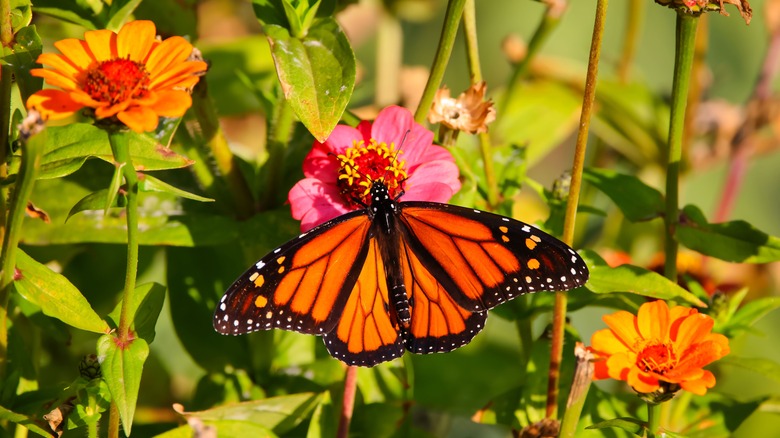
It's a majestic sight to spot a bunch of butterflies fluttering about your garden, and growing plants that help pollinators do their job will attract more of these vital insects. Tickseed flowers (Coreopsis spp.) have vibrant yellow blooms that butterflies and other pollinators adore, and you can start planting their seeds near the end of winter to enjoy their gorgeous blossoms in the spring. There are many varieties of coreopsis flowers, and they're native to various regions across the United States, making them the perfect plant to use when designing a native pollinator garden. Besides their bright petals and nectar, which attract bees, wasps, and butterflies, the seeds of tickseed flowers are also a favorite food for birds.
Because these perennial flowers will bloom repeatedly and for quite some time, they also make a visually appealing addition to your garden. Tickseed will keep producing flowers throughout spring and summer, too, and they can sometimes last until autumn. Depending on where you live and what type of tickseed you grow, bloom times could vary. Before choosing a specific variety of coreopsis, check that it's native to your region to make sure your local butterflies can enjoy their treat.
How to sow and grow tickseed plants
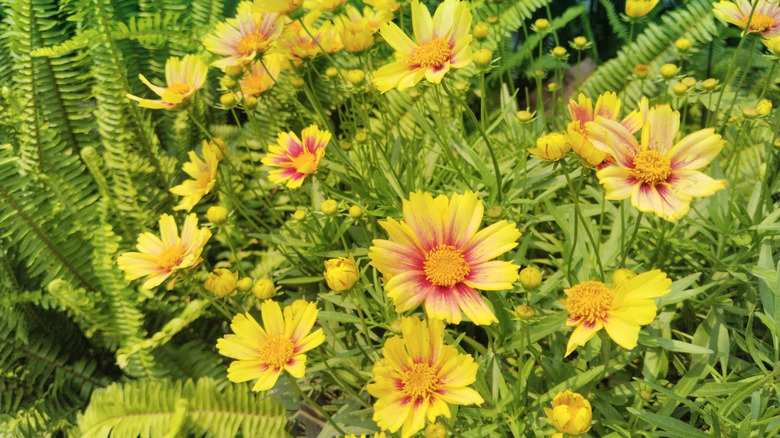
To ensure your tickseed plants start flowering in the spring, plant your seeds in containers inside your home in late winter. Once they've germinated and the last frost of the season is over, relocate your flowers to your garden. Depending on the climate of the area you live in, you may be able to sow your coreopsis seeds directly into the garden during winter. Some species of tickseed will be hardy even in areas as cold as USDA zone 4, and they can remain so through to zone 10, so it's crucial to know which kind of coreopsis you're planting.
Once these brilliant flowers have blossomed, the blooms often start to fade. Don't fret, though, as you can keep them flowering for longer by learning how to prune your coreopsis and deadheading spent flowers. This doesn't always occur in the first season after tickseed flowers are grown from seed, but typically does in later years. After your tickseed plants have stopped blossoming, they will self-seed to bring more flowers to your yard in the following seasons, inviting the butterflies to return to your garden year after year.