

Are Pricier Furnace Filters Actually Worth Buying? Here's The Truth
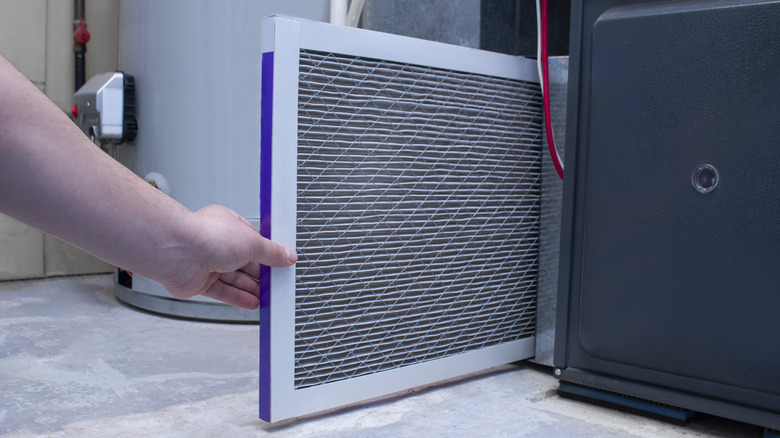
Your furnace is an important part of your HVAC system, keeping your home the perfect temperature. In order to work properly, your furnace needs proper venting, and filters are part of that process. They ensure that the air circulating through your furnace is free from dust and debris that might damage the system and make you cough, so it's important to change your furnace filter regularly. If you're trying to choose your next replacement filter, you may be wondering if price makes a difference. Are the more expensive filters more effective, or are they not worth the cost?
More expensive or premium filters are more effective, but whether or not they're worth buying depends on your specific needs. Pricier filters are typically thicker and able to filter out smaller particles, meaning the air circulating through your system is cleaner. They often come with a higher MERV (Minimum Efficiency Reporting Value) score, which ranks how effective filters are. However, the system also has to work harder to pull air through those filters, which can strain it over time. The extra stress to your system can lead to higher maintenance costs down the road, so it's really only worth it to use premium filters if you absolutely need them. For the average person, a less expensive filter is a better fit, as it will still catch dust and dirt very well. A MERV rating of 8 through 13 is generally fine for most homes.
When are pricier filters worth using?
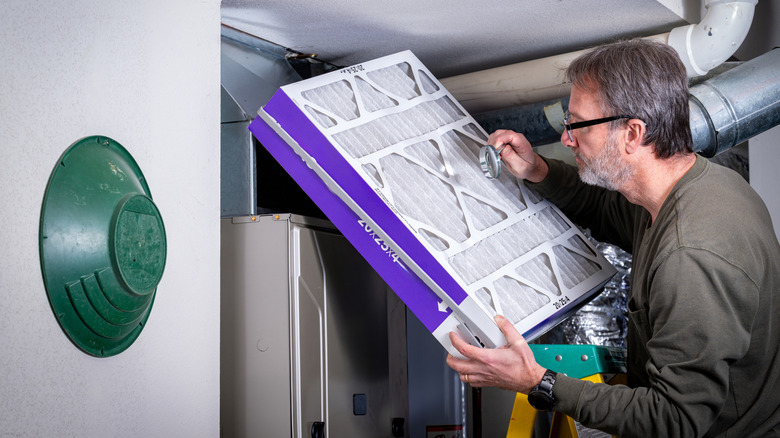
There are a few cases where buying a more expensive filter might actually make sense for you. Filters with higher MERV ratings are sometimes used in hospitals due to their ability to catch smaller particles of dust and allergens, and the same logic can be applied to your home. If you or someone in your home has severe allergies or a medical condition that makes them sensitive to dust or other airborne particles, a heavy-duty filter can be helpful. It may be able to limit the number of these particles that are in the air more effectively than a filter with a lower MERV score. Talking with your doctor can help you understand if better filtered air will be useful for managing the symptoms of your condition.
Even if you have milder allergies, you might benefit from a more expensive filter. You may also be able to stay comfortable with a lower-rated filter combined with more regular cleaning and filter replacements. Cleaning your vent covers more often can also help. Which filter you choose should also depend on your home. An older home with more cracks and crevices for dust to hide in may benefit from better filtration, and higher-rated filters are better at catching the extra hair and dander in multi-pet households. However, you don't necessarily need to go all the way to a premium filter with a MERV score of 16! It can be as simple as choosing a filter with a rating of 11 over an 8.