

Why Your Furnace Is Blowing Cold Air (And Steps To Take ASAP)
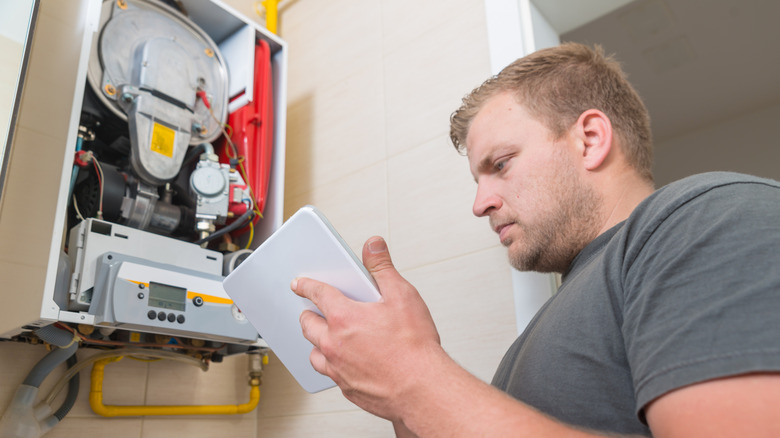
Whether you're wondering if you accidentally switched on air conditioning mode to fretting that your home's heating system is about to break down, nothing sends a chill down your spine like the furnace blowing cold air. Sometimes the culprit is something simple, like thermostat settings gone awry or dirty filters that need to be changed. No matter what the issue may be, understanding the common reasons your furnace does this can help you avoid frozen fingers and big repair bills.
Start with your thermostat. Make sure it's set to "Heat" and that the fan is turned to "Auto" instead of just "On." Next, inspect your air filter. One of the most important things you need to know about furnace filters is that, when they're dirty or clogged, airflow can become so restricted that your system overheats and shuts off the burners, leaving only cold air blowing through your home. It's also a good idea to check that your vents are open and unblocked, since closing too many at once can also cause overheating and airflow issues.
If you need to continue troubleshooting, do a visual check of your pilot light or electronic ignition. You may be able to save yourself a service call by understanding how to relight the pilot light on a gas furnace, but if it won't stay lit or your electronic ignition won't work, it's best to call a pro for help. Finally, make sure your gas or propane supply is adequate. Taking a few minutes to do these basic checks often restores warmth in a matter of minutes.
Signs your furnace needs professional maintenance or repair
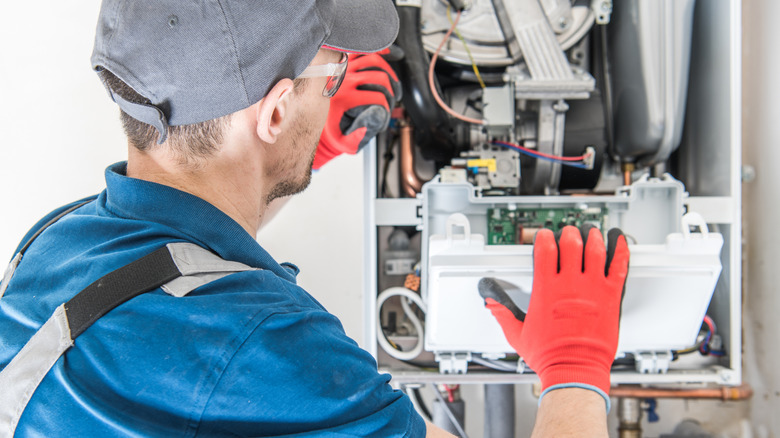
If running through the basic checks doesn't restore your heat, your furnace may be facing a more complex issue — one that requires an expert to fix. Dirty or failing flame sensors are another reason your system will shut off as a safety measure, leaving your furnace fan to keep blowing out cold air. This can happen gradually as residue builds up, causing repeated short heating cycles that leave your space chilly. Although it's possible to clean a furnace flame sensor yourself, the process requires precise care and the right tools, so it may be better left to an HVAC technician.
You may also find yourself facing a faulty fan limit switch, another safety component that tells your furnace's blower when to turn on and off. When it malfunctions, the blower can run continuously, circulating unheated air around your rooms. Similarly, control board or relay issues can throw off your furnace's entire heating sequence. Error messages on your thermostat or blinking lights on your furnace control board aren't typically DIY-friendly problems.
Leaks are another problem that a professional should diagnose and remedy. Even if your furnace works perfectly, leaky ductwork can let heated air escape before it reaches your rooms. Meanwhile, gas line or propane tank leaks can cause fuel supply issues, preventing your furnace burners from firing altogether. Understanding these potential complications, and knowing which ones require professional assistance, can help you quickly fix your furnace without unnecessary stress or expense.