

New California Law Protects Renters: Your Landlord Must Now Provide These Two Things
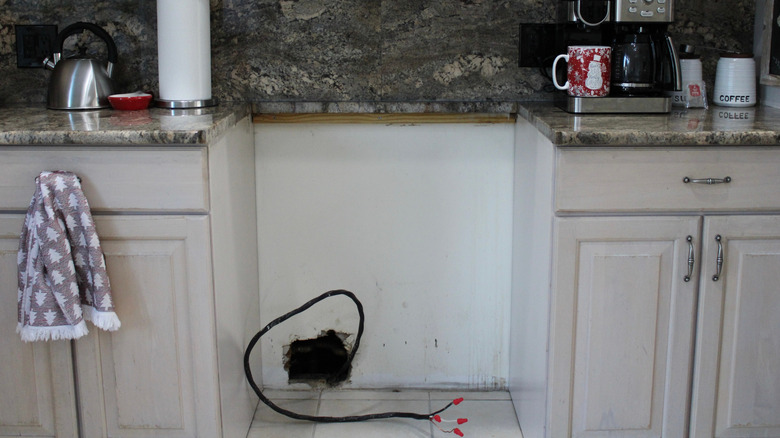
Finding a new home or apartment to rent is challenging these days, with housing costs on the rise across the country. So, imagine if you finally find an affordable apartment but it is missing some of the basic appliances you need to live, like a fridge or a stove, or both. Having to buy a new or even used appliance to save some cash on top of forking over a security deposit and first and last months' rent is cost-prohibitive for many renters. But despite having some of the highest rents in the country, California's landlords have often been neglecting to supply these basic appliances, particularly in major cities like Los Angeles. A recent change to state law seeks to end that practice.
Surprisingly, a majority of states across the U.S. do not actually require landlords to provide basic appliances like stoves or refrigerators for a unit to be legally rented. Recognizing that this adds to the cost burden of renters in its own state, California adopted AB-628 in October 2025, now requiring landlords to provide both a working stove and a working refrigerator in their rental units, for any leases begun, amended, or extended on or after January 1, 2026. The bill analysis provided by the California State Assembly noted that while existing state law required landlords to provide other things that make a place habitable, like heat, lighting, and hot water, it treated stoves and refrigerators as extra amenities. Now those appliances are considered part of the basic features that must be installed and working for a unit to be legally rented.
Exceptions and nuances to the law
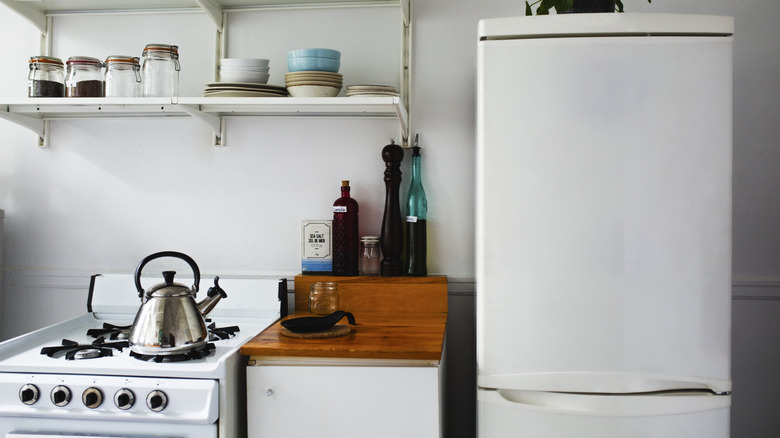
The law exempts from the requirements any housing that has shared or communal cooking facilities, such as single-room occupancy units, residential hotels, and assisted living facilities. The bill also exempts "permanent supportive housing" designed to help those facing homelessness. But for all other types of units, the landlord will have to provide working stoves and refrigerators.
Maintaining appliances that see heavy tenant use can be costly, which is one of the reasons many landlords don't like to provide them. For example, the costs of fixing a refrigerator compressor or other high-use parts, like water dispensers, can run into the hundreds or even thousands of dollars. Those costs can add up, especially for landlords with multiple units. In recognition of this, the California law allows a tenant to provide and maintain their own refrigerator, which could be something you want to do if you've previously invested in a fancy (but stupidly complex) smart fridge. However, landlords cannot require you to provide your own fridge, and you cannot provide your own stove.
While the bill requires provided appliances to be in working order, it doesn't lay out a specific timeline for landlords to fix them other than the requirement that fridges or stoves that are part of a recall get replaced within 30 days. It is important to look at your lease to see what the process is for requesting maintenance on these and other appliances. And, if you aren't sure if your lease complies with the new law, you can seek help in California from local tenants rights organizations or legal aid centers.