

Are CFL Light Bulbs Being Banned In Your State? What Homeowners Need To Know
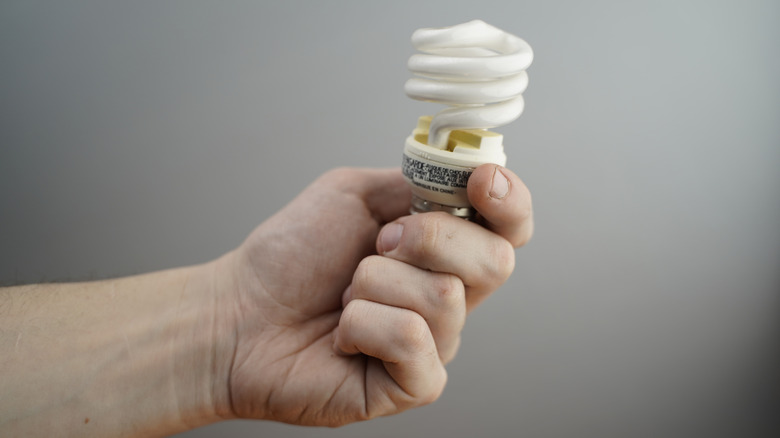
As of January 1, 2026, the state of Illinois has banned the sale of screw-base or bayonet-base compact fluorescent lamps (CFLs), with plans to further ban the sale of pin-base bulbs and CFL tubes in January of 2027. Originally passed in 2024, Illinois' Clean Lighting Act made it one of several states to pass similar legislation. Some of the states with active bans include California, Maine, Colorado, and Minnesota, while other states have implemented planned bans or are awaiting pending legislation. To determine if your state has actively banned the sale of CFLs or has pending legislation, you can check out Pacific Energy Concepts tracking list.
But why the ban on CFLs in the first place? Many may remember that for a time, CFLs were previously touted as an environmentally friendly bulb, using 70% less energy than incandescent bulbs. However, small amounts of liquid mercury are inside fluorescent lights — this allows these bulbs to emit light so efficiently. When kept in tact, this mercury is not harmful. But when these bulbs are improperly disposed of or when they shatter, a small mercury vapor is released. (This may not be major cause for concern if you just have a single bulb break in your home; although you should follow the EPA's protocol for CFL cleanup and disposal if this does happen to you.)
However, when much of the population tosses their old bulbs in the landfill rather than a recycling center, they can release mercury in mass, potentially creating devastating environmental consequences and hazards to human health as it leaches into water systems and soil. If you don't opt to eat sushi often because of fear of mercury buildup, you can understand why you don't want it in your drinking water. To prevent this, some states, like Illinois, are choosing to halt the sales of CFLs altogether.
What a CFL bans mean for you
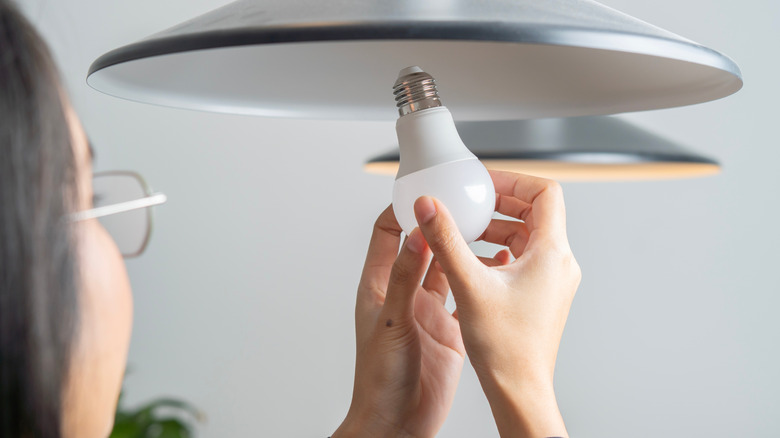
If you are still using CFLs and want to stop or your home state has banned them, there are a few steps you need to take. Before you unscrew all of those fluorescents, take time to note the base-style (bayonet, pin, screw, etc.) and any information that's listed on the bulb — this will allow you to replace them with proper-fitting bulbs. Consider making a quick list to make it easy on yourself, and have your new bulbs ready to install so you aren't sitting in the dark.
With all of your fluorescents safely removed, look up your local disposal and recycling requirements. This can include dropping the bulbs at a local recycling center or even swinging by a local home improvement store, which often offer drop-off centers for old bulbs. This includes Home Depot, Lowes, and even IKEA. To find a location close to you, use Earth911's recycling and disposal drop-off search engine. You can also inquire about mail-back services if you don't want to or are unable to make the trip to a drop-off location; several mail-in services can be found through the EPA.
In terms of energy efficiency, the best choice to replace CFLs with are light bulbs made with light-emitting diodes (LEDs). As well as extremely efficient, they are also long-lasting and available in a variety of styles and color temperatures. Still not sure which light bulb is the right pick for you? Check out our handy guide to light source, lumens, LED, and other lighting terms you need to know.