

9 Genius Ways To Use Old Potting Soil Instead Of Tossing It
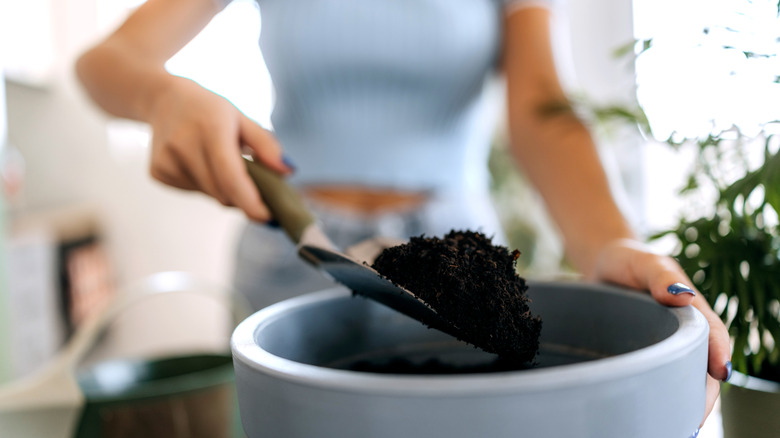
If it's time to change your potting soil, you may be left wondering what to do with the old dirt once your plant is situated in its fresh pot. You could just toss it, but if that feels a bit wasteful, then there are other things you can use it for. After all, old potting soil isn't necessarily spoiled. It just no longer has the nutrients your plants need to thrive. Luckily, there are still ways to use your old loam.
There are a few exceptions, however. If the reason your plant is being repotted is due to pest damage, you should be careful when reusing the old soil. There may be pests or their eggs left behind that could spread. The same goes for fungal infections. Spores could be lingering in the dirt that may infect other plants. In these cases, you can sterilize your soil to reuse it by baking it to kill some pests and fungi. This does not kill all intruders, but many common ones can be eliminated this way. Once it's clean, it's ready to reuse in a number of ways!
Compost it
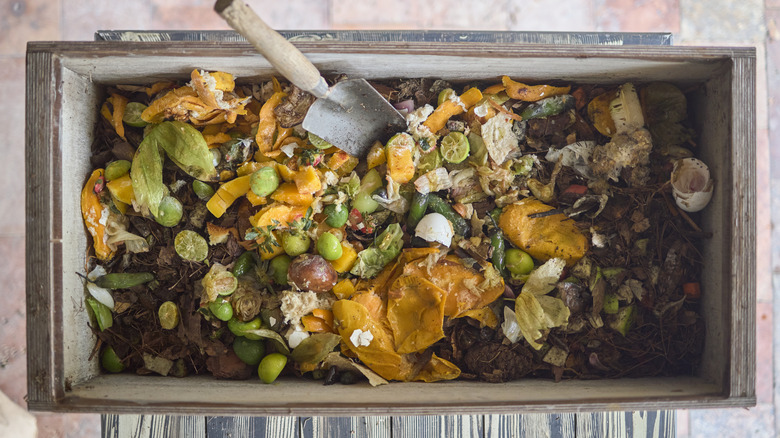
If you have a compost bin, or if you're planning on starting one, old potting soil is a great addition. You don't need to do anything extra to prepare it; just dump your potting soil into the bin and mix it in. If your soil is hard and compacted, break it into pieces and add some water to loosen it up. If you're starting a new compost bin with your leftover soil, be sure to add fresh organic material like veggie scraps and dried material like paper, cardboard, and dry leaves.
Use it to make new potting soil

Refreshing your old potting soil will replenish its nutrients and let new plants grow and thrive in it. Knowing how to make your own potting soil is helpful for this, as you'll be following many of the same steps, just with your old dirt as the base. You can add compost, coir, or vermiculite to make sure it's fresh and ready for your new plants.
Add it to a raised garden bed
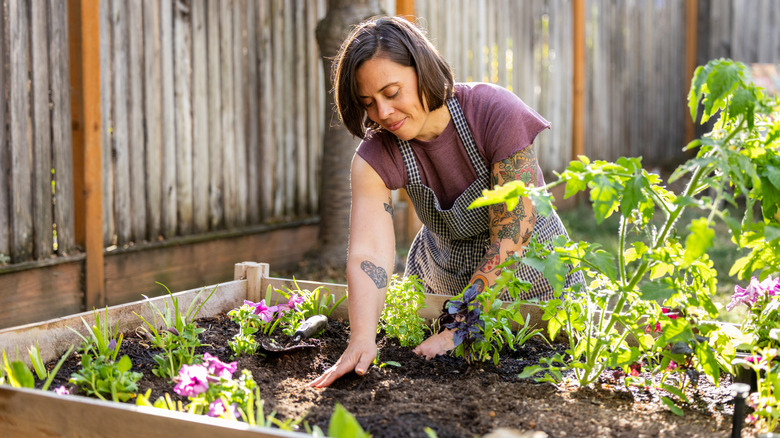
Raised garden beds need a lot of soil to fill them, but unless you're growing plants with exceptionally deep roots, you don't need it to be fresh all the way down. You can supplement your nice new dirt with old potting soil by adding it to the bottom of the raised garden bed. The old loam won't harm your plants, and you can save some money by not buying quite as much new soil.
Patch up holes in your lawn
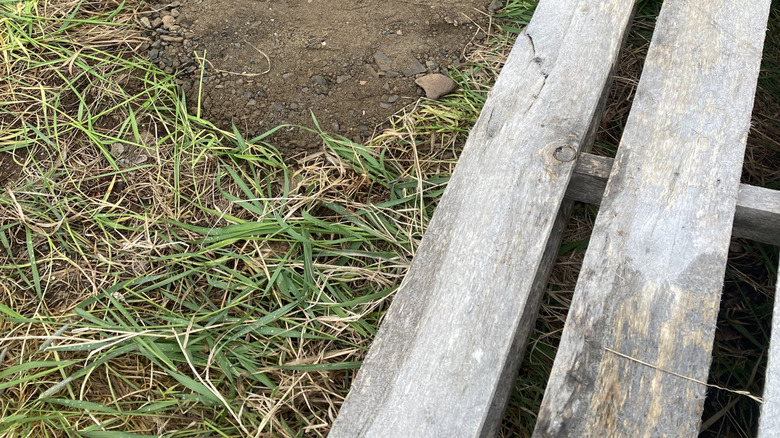
Whether they're from your dog digging for buried bones, a lawn mowing accident, or just natural dips and divots, any holes in your lawn can be patched up with old potting soil. As long as it hasn't been damaged by pests or disease, grass will grow in it just fine, so you don't need to worry about it standing out. Consider adding a little compost to help the grass along. Then, shovel the potting soil into the hole, smooth it out, and scatter your grass seed. Before long your lawn will be as good as new.
Use it as top dressing
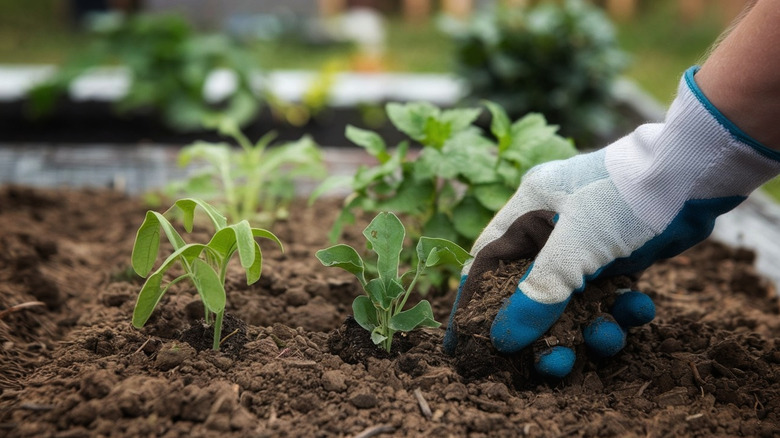
Top dressing simply means spreading your old potting soil over the top of your garden bed. While your leftover soil may not have a ton of nutrients, any it still has will be added to your garden as it breaks down further and mingles with the dirt. It can also act as a sort of mulch, protecting your rich garden soil from being blown away by wind and helping to insulate your plants' roots. Your garden will still benefit from an extra layer of regular mulch over your top dressing, however.
Use it to stretch fresh soil
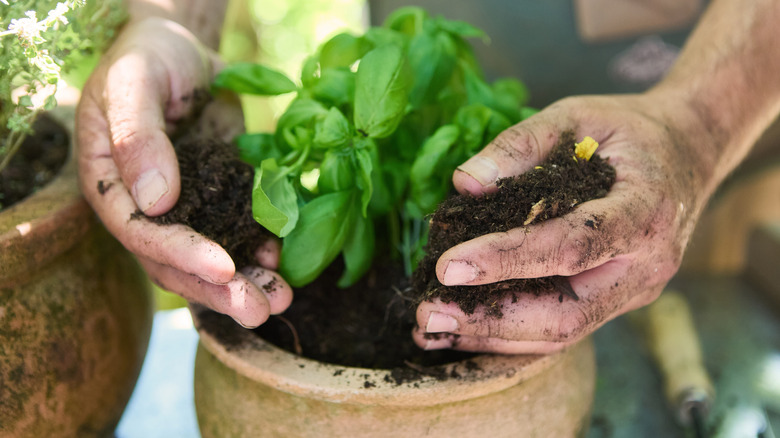
Similarly to using your old potting soil to fill your raised garden beds, you can use it to fill space in larger flowerpots as well. However, since the space is smaller and your plant's roots are more likely to reach the leftover soil, you can't just add it in layers. Instead, mix them together to create a larger batch of average loam to use in your flowerpots. If you're running low on new soil, mixing it with the old dirt will help it stretch a little farther.
Make a pollinator patch
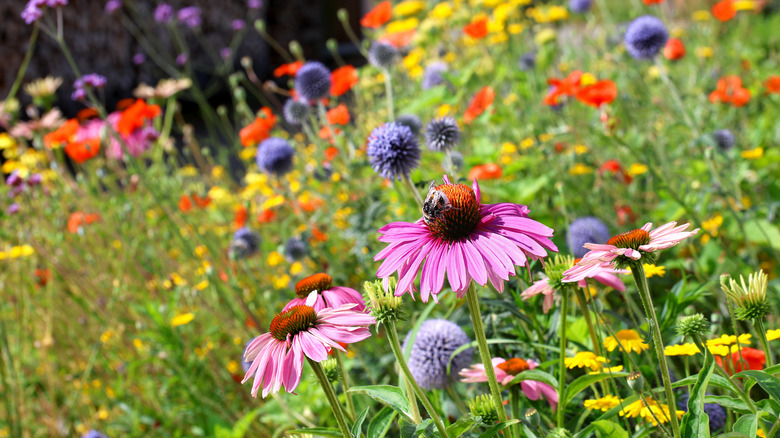
Most native wildflowers need very little in order to thrive. Your old potting soil can be spread in a thick layer over an unused corner of your yard or garden and sprinkled with native wildflower seeds. Pollinators of all kinds, including bees, butterflies, and even hummingbirds, will love to visit the clump of flowers that grow there. You should use flowers native to your specific area, but a few good options to look into are purple coneflowers (Echinacea purpurea), black-eyed Susans (Rudbeckia hirta), and bearded tongue (Penstemon).
Create a faux garden
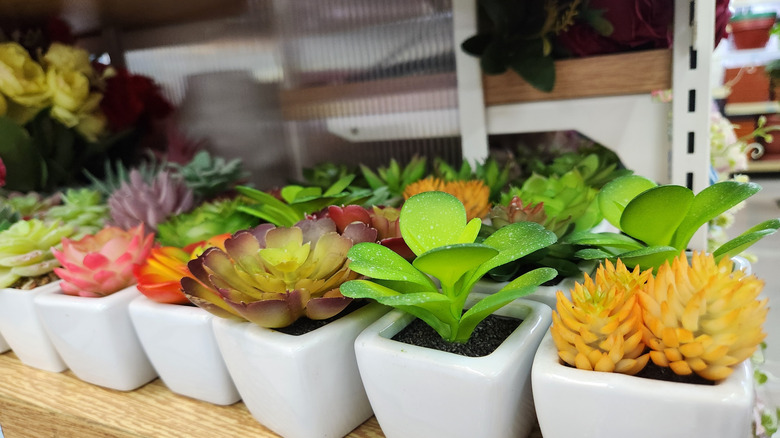
If you want more plants without more work or have a specific vision that would be difficult or expensive to achieve, fake plants may be a good option. They won't mind that your potting soil is old and used up, and you can group plants together that can't normally be grown in a single container. There are a wide range of faux or artificial plants designed to look like they're actually growing out of the soil to choose from. Since the plants aren't real, you can reuse the same potting soil as often as you like.
Donate it
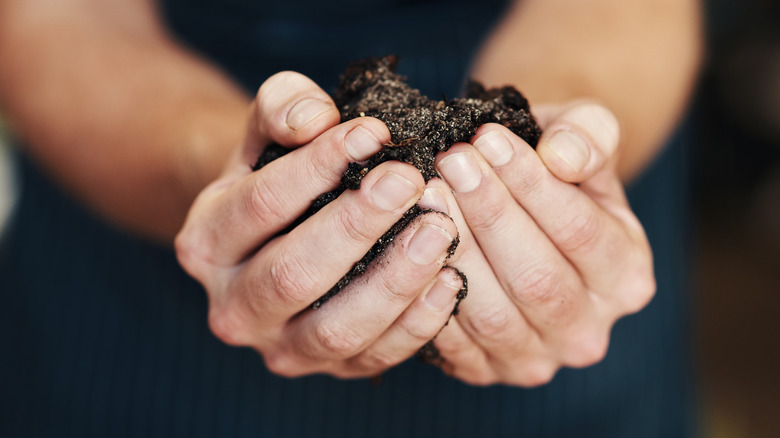
If none of these options really appeal to you, there's always the option to donate it for someone else to use. Look for local community gardens, gardening groups, or even science classrooms that may want leftover soil to use for their endeavors. Community composting facilities are also a good option. Not only is this a great way to breathe new life into your soil, but it can help your community flourish. You may even make some new friends!