

Protect Your Garage: The Best Type Of Seal To Keep Pests, Drafts, And Water Out
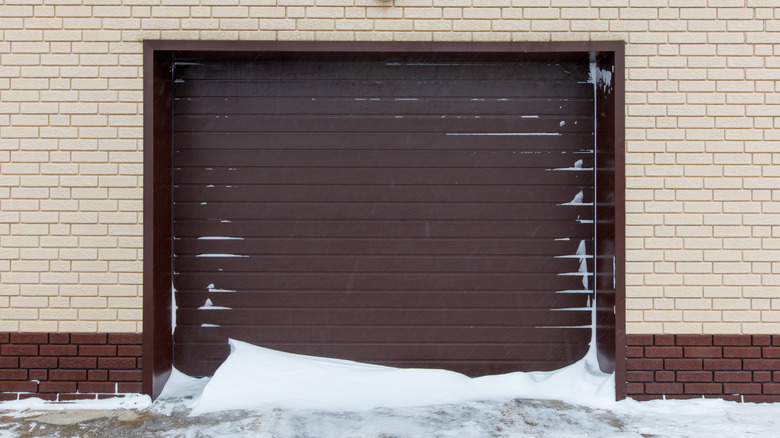
Whether your garage is a part of your home or detached from it, there is no question that the space is worth protecting. We store our cars, tools, and numerous other valuables inside of our garages. We therefore want to keep out all manner of dangers, such as water, pests, and cold drafts. One of the absolute best ways to do this is to provide your garage door with a quality seal.
The door is your garage's first line of defense. As the primary opening, the door does the grunt work of keeping the elements and pests from getting inside your garage and home. Signs that your door or seal might not be up to snuff are if there is a noticeable draft, you see gaps along the base, or you see evidence that rodents have been in your garage.
A good door seal is a great solution that helps keep the aforementioned things from harming your space, and by doing so extends the overall life of the garage and the materials contained within it. They can even enhance the overall security of your garage by making it more difficult to break into. The question is: What type of door seal should you use? There are many types of seals you could choose from, and each comes with their own pros and cons. For our money, the best type of seal for your garage door is going to be a T-seal.
Why a T-seal is the best option for protecting your garage
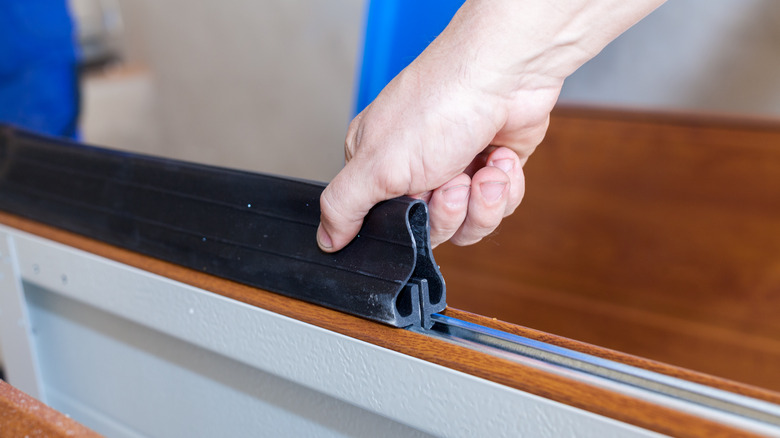
A T-style seal is so named for the T-shaped beads that run the length of the sides of the weather stripping. These beads fit perfectly inside of the T-shaped channels that affix the bottom of most garage doors. The section of the door is known as the retainer, which is a piece of metal track that extends across the base of the garage door. When the T-seal is affixed to the retainer, it forms a U-shape that flattens to the garage floor when the door is closed. These seals are often made out of heavy duty rubber or vinyl.
The T-seal is excellent for this conformity, but also because it forms a really tight seal against the floor of your garage. This is especially helpful if you have an older garage with uneven floors. The rubber will fill in any gaps and block any wind or water from entering your garage during a storm. This also makes the T-seal an excellent option for insulating your garage and making it more energy efficient.
Some T-seals also come in a combination of rubber and steel mesh that will help keep pests like insects, rodents, and reptiles out. Of course, there could be other areas in your garage where the pests are getting though, but an non-chewable, air-tight seal is going to help prevent them from getting into your garage to begin with.
How to install a T-seal on your garage door
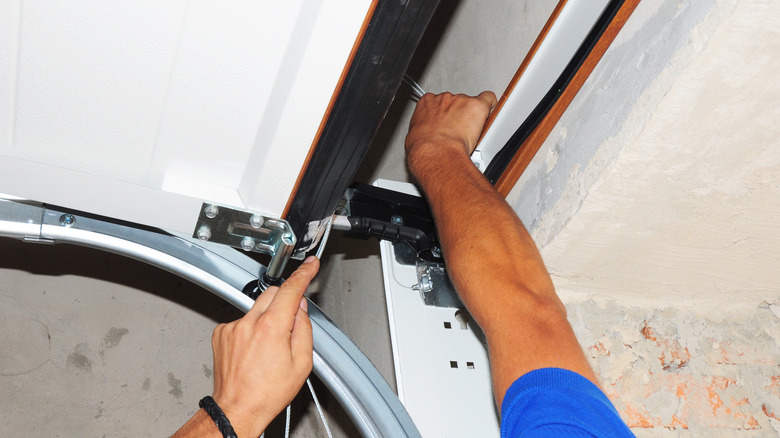
Thankfully, installing a T-seal to your garage door is easy. If your garage already has the T-shaped channel retainer that is needed to attach the T-seal, all you need to do is remove the old and withered garage seal and slide the new T-seal into the channel. If you have an older garage door that doesn't come with the single.channel retainer needed to get the T-seal installed, you will need to buy a retainer that can be installed on your door. Thankfully, there are DIY kits out there that come with both the retainer channel and the seal. This is a more involved process than just adding a new seal, and you'll need to remove the old retainer before adding the new seal into the channel.
If you are in any way apprehensive about doing this yourself, you can always hire a professional to install a new set. This is obviously more expensive, but a new garage door seal can be easily and efficiently installed by a pro. After all, it's better to get the job done properly than have to have to start the process over because you didn't do it correctly.