

12 Unexpected Uses For Apple Cider Vinegar Around Your Home

An apple a day may keep the doctor away, but what about a splash of apple cider vinegar? If you spend any time on social media, you've probably seen influencers swirling it into water, sipping it before meals, or crediting it with trimming their waistlines. Celebrities rave about it, wellness blogs treat it like a miracle potion, and millions of people keep a bottle in their pantries "just in case." What you may not see as much is how apple cider vinegar isn't just a wellness drink for the ambitious. It also happens to be a multitasker for your home and garden.
Apple cider vinegar, which is essentially apples that have been fermented twice, is remarkably simple on the outside but surprisingly complex when you look closer. The label may only list vinegar and water, but inside is acetic acid, which can help kill off harmful bacteria. There are also probiotics, which feed the healthy microbes in your gut, and polyphenols, those powerful antioxidants known for helping protect cells from damage. But don't sleep on this versatile MVP. This same amber liquid people sip for health can pull off a surprising number of practical tricks.
Mix up a tangy mosquito shield

Apple cider vinegar has a sharp, pungent scent that can briefly deter mosquitoes, which makes it an easy base for a DIY outdoor spray. Martha Stewart suggests mixing ¼ cup apple cider vinegar with ¼ cup water and 40 drops of rosemary or lavender oil in a spray bottle, shaking it, and misting exposed skin before heading outside. The vinegar's strong aroma helps mask human scents mosquitoes target, while certain essential oils offer mild repellency. While it's not a replacement for EPA-approved repellents, it can be a gentle option for low-risk backyard time.
Give your showerhead or faucet an overnight makeover
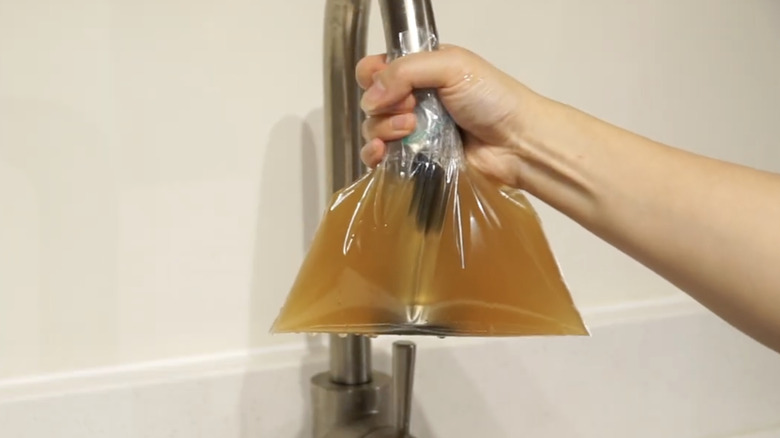
Mineral buildup can turn a showerhead or faucet into a sad mist machine. Apple cider vinegar helps because acetic acid dissolves mineral deposits left by hard water. Simply securing a bag of vinegar around the faucet overnight allows the acid to soften the mineral crust so it can be scrubbed away easily in the morning. It's the same science plumbers use when recommending white vinegar. Apple cider vinegar just has a stronger smell and a slightly different composition. YouTuber skyforce95 tried it, and it took the mineral deposits off without damage.
Try it as a simple cleaning sidekick
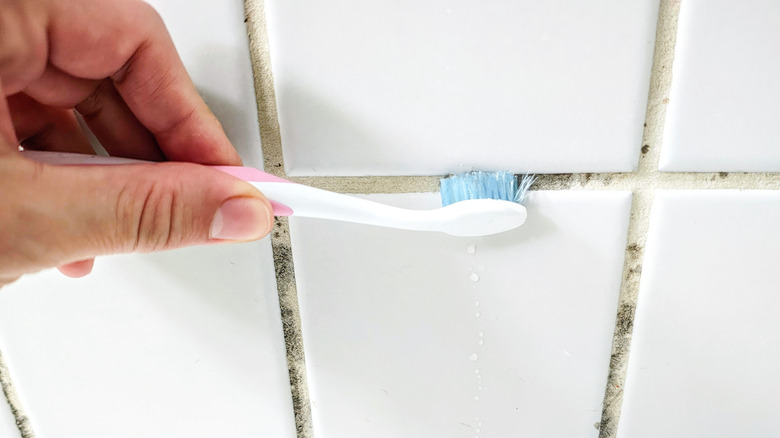
With its mild acidity, apple cider vinegar can be useful as a simple cleaner for glass, tile, and kitchen surfaces. A mixture of equal parts apple cider vinegar and water can help cut grease and lift light grime without harsh chemicals. Adding a few drops of essential oil is optional but will tone down the vinegar smell. Just avoid using vinegar on stone countertops like marble or granite since acids can etch the surface. For most everyday messes, though, it's a cheap, straightforward cleaner that gets the job done.
Create a DIY gnat trap

Gnats and fruit flies can't resist the fermented smell of apple cider vinegar. A couple of ounces poured into a jar with a paper funnel inserted on top lures them in. Leave it near your sink or fruit basket, and it will quietly collect the pests. Apple cider vinegar and liquid dish soap together can also create a simple, chemical-free trap that works because it mimics the scent of decaying fruit.
Concoct a detour for your furniture-loving cats

Cats have strong opinions, and one of them is that vinegar smells terrible. Because of this, spritzing furniture legs, doorframes, or problem spots with a mix of equal parts apple cider vinegar and water in a spray bottle can discourage scratching or climbing in certain areas. Adding rosemary, citrus, or lavender oil can enhance its effects. Obviously, avoid plants, litter boxes, food and water bowls, and spraying directly at your cats. While this solution won't fix boredom or stress-related scratching, it can help redirect habits to scratching posts instead of your favorite sofa.
Spot treat young weeds
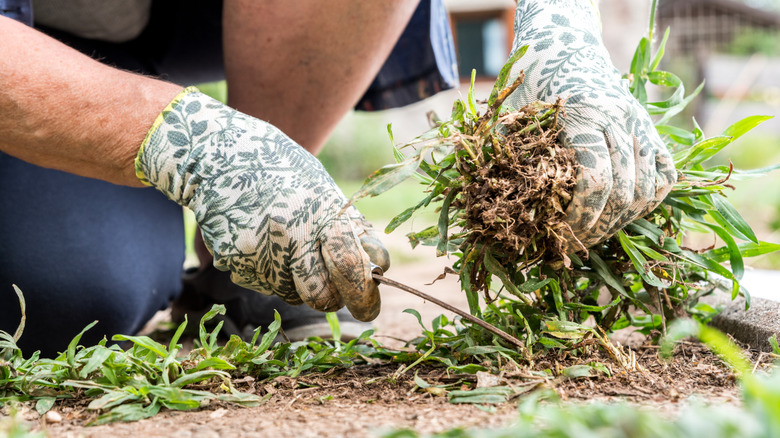
Undiluted vinegar spray acts as a contact herbicide by drying out plant surfaces it touches, compared to a systemic weed killer that can get into the plant and reach its roots. Apple cider vinegar, which contains 5% acetic acid, can work on tender weeds with shallow root systems. Remember, vinegar is non-selective, though, damaging any plant it touches. It's best to use this solution on weeds in driveway cracks or patios where you don't mind vegetation dying.
Clean garden tools

Got mineral deposits, rust stains, and built-up grime on your metal garden tools? Being exposed to moisture throughout the changing seasons does this. Apple cider vinegar can be an effective, natural way to remove it. Its mild acidity dissolves surface corrosion without the harshness of chemical cleaners. Soak metal tools in a solution of ¼ cup of salt with 4 cups of vinegar to loosen rust, lightly sterilize, and help prevent long-term corrosion, ultimately extending the life of your tools. After soaking for one to three days, a wire brush scrub and rinse restores shine and usability.
Adjust your soil pH
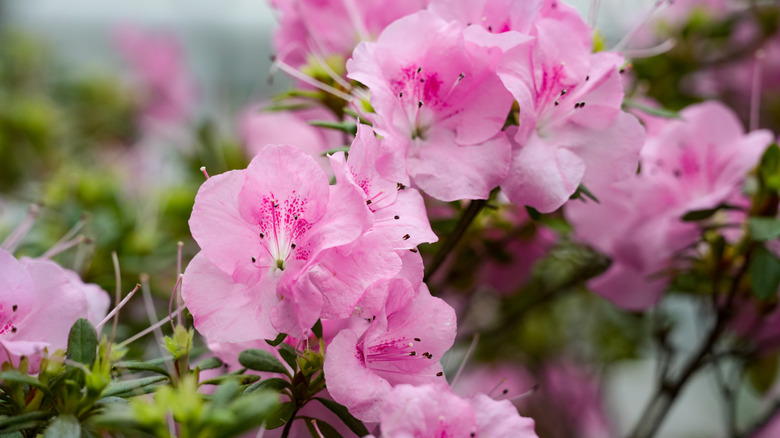
In soils with high alkalinity (or a high pH), a light apple cider vinegar solution of 1 tablespoon vinegar to 1 liter of water applied to the soil every two weeks can lower the surface pH temporarily, which may benefit acid-loving plants like gardenias, azaleas, or blueberries. Some gardeners use diluted vinegar to slightly acidify soil or potting mix when needed. Garden experts warn that this effect is temporary. Frequent use can harm beneficial soil microbes or damage roots. Always test soil pH and consider safer long-term amendments like sulfur if your soil needs persistent acidity.
Refresh your dishwasher
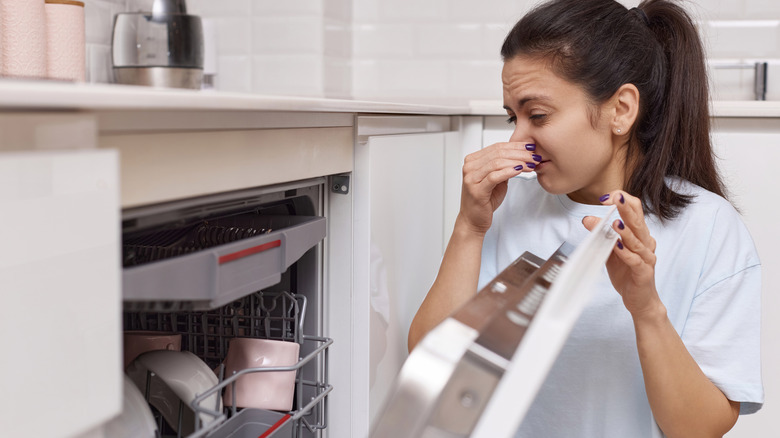
If you don't have white vinegar handy, you can also use apple cider vinegar as a natural way to freshen up your dishwasher. Pour 1 cup of it into a dishwasher-safe mug or bowl, place it upright on the top rack of an empty dishwasher, then run a full hot wash cycle without detergent to help dissolve grime, mineral buildup, and odors. But there are some caveats: filter out any sediment from the apple cider vinegar first and don't pour it into detergent or rinse-aid compartments since the high acidity can damage rubber gaskets and seals.
Battle bird bath algae
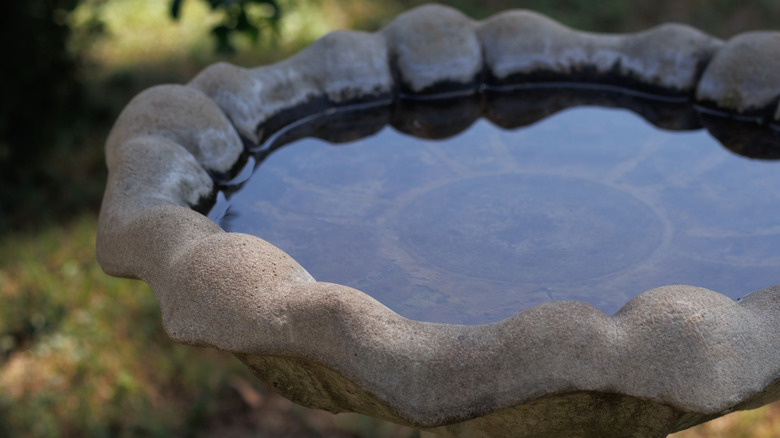
You can use a diluted apple cider vinegar solution to help remove algae from your bird bath and discourage future growth. One recommended method is to empty the bath completely, then scrub the basin with a solution of 1 part apple cider vinegar to 9 parts water and a brush or sponge. After scrubbing, rinse the bird bath thoroughly with clean water to remove all vinegar residue before refilling the bath for birds. Clean your bird bath weekly or whenever algae build-up appears to keep the green muck from returning.
Prevent windshield ice

During the winter, apple cider vinegar can keep your windshield from turning into a frozen mess, but only before the temperature drops. While it won't magically melt ice once it's there, spritzing your windshield the night before a storm with a mix of 2 to 3 parts apple cider vinegar and 1 part water can stop frost from sticking at all. Its natural acidity lowers the freezing point on the glass, so you wake up to a clearer view. Skip this trick if your windshield has unpatched chips or cracks; acidic solutions can make those imperfections worse.
Tackle black spots on plants
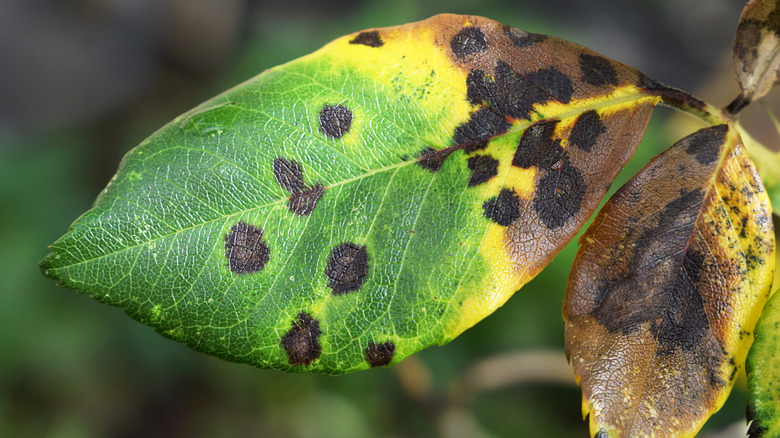
Apple cider vinegar can serve as a natural antifungal treatment to combat black spots on plants, which are often caused by fungal diseases like black spot or powdery mildew. The acetic acid lowers the pH on the leaf surface, creating an environment that is less hospitable to fungal spores, slowing their growth. To use it, dilute 1 to 2 tablespoons of raw apple cider vinegar per 1 gallon of water and spray the foliage of affected plants, ideally in the early morning or evening when there's less sunlight. Reapply weekly until you see improvement.