

10 Ways You Can Use Cream Of Tartar Around Your Home That Go Way Beyond Cooking
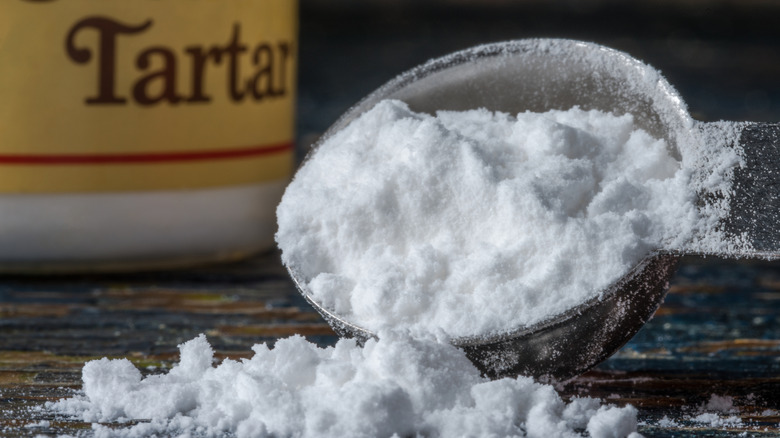
You likely know cream of tartar as a useful ingredient in cookie recipes — but it isn't just a one-trick wonder. This unassuming pantry powder can moonlight as a handy tool with multiple uses around the home, one that's as useful for scrubbing rust or keeping pests away as it is for adding flavor to your snickerdoodles.
Essentially a tartaric acid powder that results from the grape fermentation process, you can find cream of tartar in your grocery store's baking section. In the kitchen, it can act combine with baking soda to become a leavening agent, stabilize egg whites, and even prevent sugar crystallization in candy or frosting, leading to a smoother and creamier texture. But while cream of tartar certainly has its uses in the kitchen, that tiny container packs even more punch as an underrated home sidekick. Once you learn about these uses, you'll never want to let your pantry's cream of tartar supply run out.
Clean your pots and pans
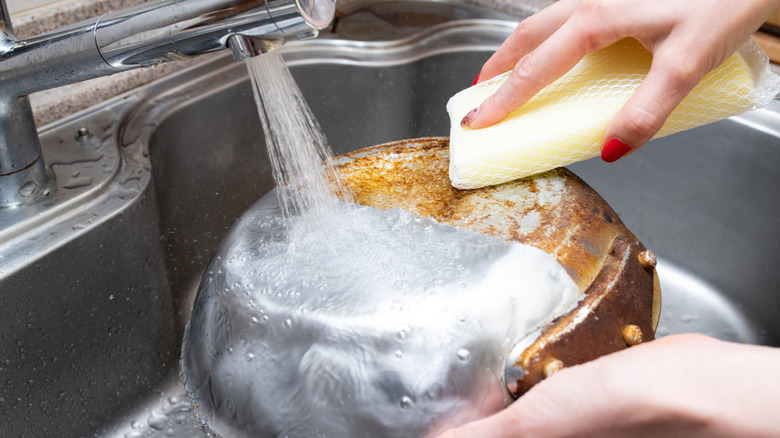
When mixed with water into a paste, cream of tartar can clean stainless steel or aluminum cookware gently yet surprisingly effectively. Its mild acidity helps lift cooked-on grime and buildup, restoring your cookware (especially those stubbornly burnt pots and pans) closer to their original shine. Just make the paste, apply it to your pan, and let it sit for 10 minutes before washing it with a wet, nonabrasive cloth or sponge.
Revive copper and brass cookware
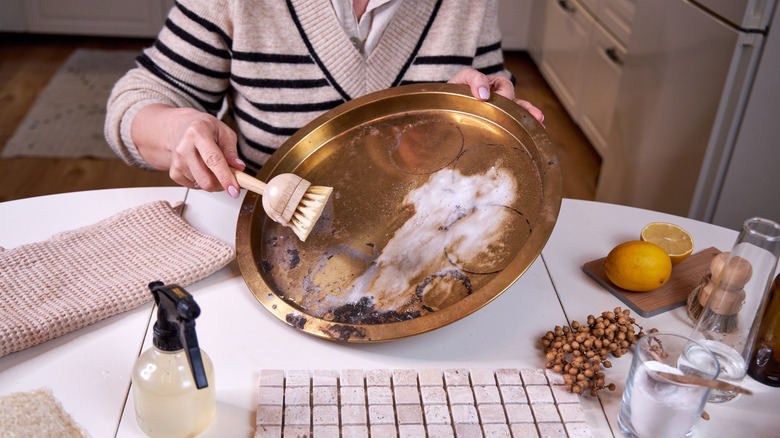
Cream of tartar also shines when cleaning more delicate metals like copper or brass. Copper, especially, has a habit of losing its sparkle as it ages, building up a dark patina that makes it look tired. Mix cream of tartar with an acid, such as vinegar or lemon juice, to form a paste. Rub that paste gently onto the metal surface, let it sit, then rinse. This combination helps break down tarnish and oxidation marks without needing to use harsh chemicals, bringing dull metal back to bright luster.
Remove rust from metal items

To get rust off metals, try mixing ¼ cup cream of tartar with 1 cup of white vinegar into a paste. Spread it over a rusted spot, let it rest for approximately five minutes, then scrub with a soft brush. The acids help dissolve the bond between the metal and the oxidation layer. It's not a miracle for deep corrosion, but, for small rust patches on tools or kitchen items, it can be a simple, nontoxic fix.
Clean your coffee pot or tea kettle
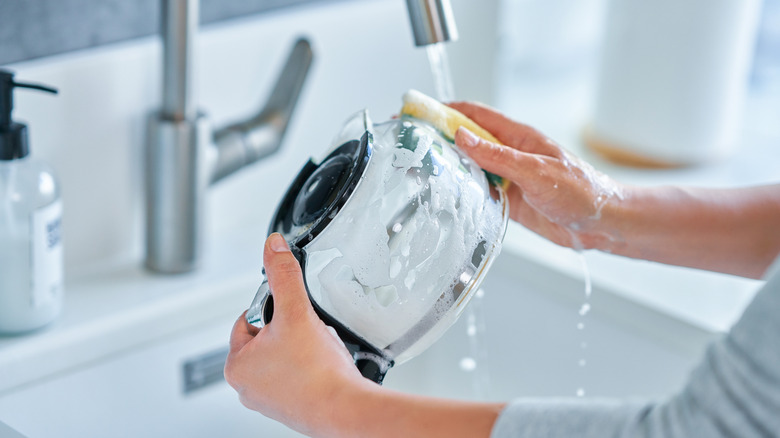
Coffee and tea oils cling to glass and ceramics long after your morning brew, leaving that familiar and unappetizing brown haze on your pots and mugs. Fill your stained pot with water, then sprinkle 2 to 3 teaspoons of cream of tartar into it. After that, boil the water, let the mixture sit, and wait for it to cool. The substance's mild acidity helps break down the residue so it rinses away clean.
Keep ants away

While cream of tartar won't solve a major ant infestation, it can act as a deterrent for smaller ant invasions. Ants dislike crossing over this acidic powder, so sprinkling a line of it along doorways, windowsills, or tiny kitchen entry points to help disrupt their path. While cream of tartar won't kill them, it will make the route less desirable, encouraging them to look elsewhere.
Polish your stovetop or stainless steel sink
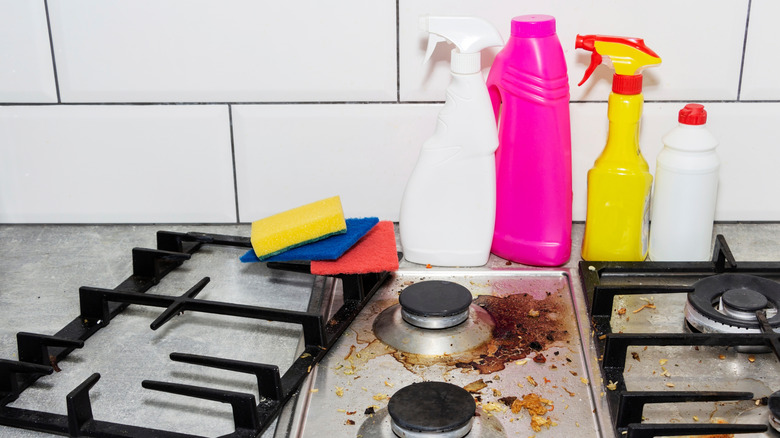
Messy cooks might love cream of tartar most of all. Dried splatters from soups and sauces can cling stubbornly to a stainless steel stovetop or sink, especially if they've been sitting there a while. One simple fix is to mix a little cream of tartar with white vinegar, dip a damp sponge into it, then lightly scrub the area. The powder's mild abrasiveness helps lift stuck-on residue without scratching the surface, leaving your dull cooktop or sink looking refreshed with minimal effort. WRAL News tested this method, and the reporter found that cream of tartar shined his faucet and removed splatters from his stove.
Banish laundry stains

In the laundry room, cream of tartar works as a gentle stain remover for fabrics that need something milder than bleach. When sprinkled over a dampened stain, the acidic powder helps soften fibers before the wash cycle. It can be particularly helpful with sweat marks or light food stains on cotton and linens. And, because it isn't a whitening agent, it won't strip color — it just lifts the residue so your detergent can finish the job. YouTube's Andrea Jean Co. tried to clean rust-stained clothes with a combination of lemon juice, salt, and cream of tartar paste, and it worked out pretty well.
Give your linens a boost

A soak with cream of tartar will help bring white laundry back to life when those clothes start drifting more toward "dingy gray." Dissolving about 1 teaspoon per quart of warm water creates a mildly acidic bath, which will help break down the mineral deposits and buildup that make fabrics look dull. Let linens or towels rest for a few minutes or overnight, then wash as usual. Because it's gentle, this won't damage delicate fabrics the way bleach can.
Make a bath bomb
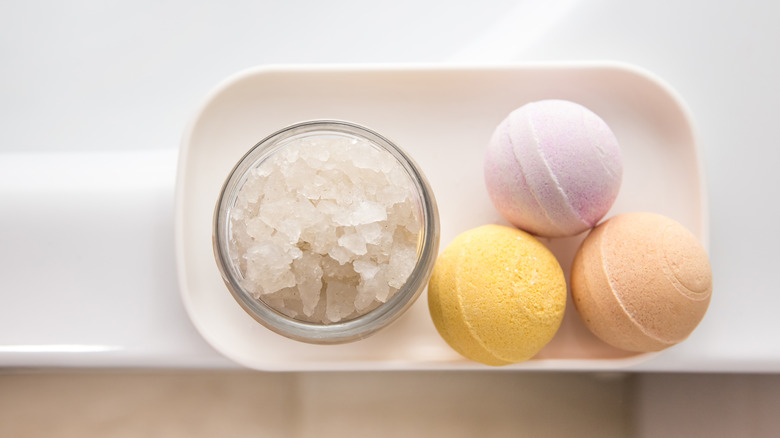
Love to treat yourself but can't get away for a spa day? Try swapping out citric acid with a bit of cream of tartar. The acidic powder gives bath bombs a firmer texture and supposedly a more effervescent soak. YouTube's DIY Therapy by Ina tried this by mixing 1 cup baking soda, ½ cup cream of tartar, and a few drops of essential oils and food coloring, then pressing each bath bomb into a mold. At the end of her video, she tests one — and the fizz is fully functional.
Gently maintain your drain
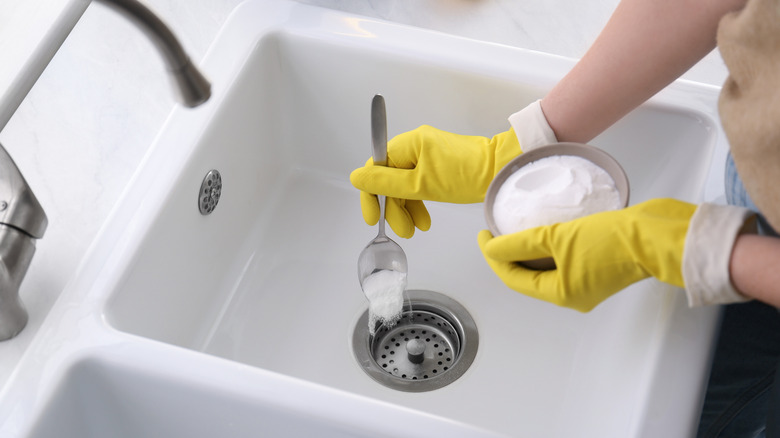
A mix of salt and cream of tartar poured into a drain, followed by a rinse of very hot water, can help keep household drains clear. The salt acts as a mild abrasive scrubbing the pipe walls, while the cream of tartar works as a light cleaner and metal brightener. It's worth flagging that this approach seems to be more about gentle maintenance – such as removing mineral buildup, light grime or maintaining metal — than about tackling serious clogs. In those cases, other methods may still be necessary.