

Thinking About A Heat Pump? Beware Of These Hidden Downsides

There are several reasons to consider a heat pump as your home's primary winter heat source. Not only are they efficient in terms of energy consumption, but they improve indoor air quality, are adaptable to a wide range of houses and climates — including snowy ones — and can last just as long as a standard furnace with proper maintenance. However, in spite of the positives, there are a number of hidden downsides to having a heat pump installed in your home.
Besides potentially costing you upwards of $15,000, depending on the type of heat pump and complexity of the installation, you need to make sure you have the space necessary to have one put in. Since heat pumps pull in heat from the surrounding air and transfer it indoors, you are going to need at least two feet of uninterrupted air flow on all sides of the unit in order to get the most efficiency out of it. While this is possible for many homes, it may require the uprooting of landscaping in order to meet the space requirements.
Cold is a considerable issue as well. Though there are heat pumps specifically designed for colder climates, standard mini-split units don't fare well in harsh winter conditions. Their efficiency will be reduced and, in extreme cases, they will stop working altogether. This is important to understand if you live somewhere like New England that routinely sees tougher winters.
You will need backup heat sources
While this is true for practically all central heating systems these days, heat pumps are particularly susceptible to power outages during the winter. Being powered by electricity, any prolonged outage caused by storms is going to leave you without a heat source if you've converted to having a heat pump as your primary source. Even if the power is restored, because heat pumps are outdoor units, they are also exposed to weather and property damage caused by ice, rain, or falling tree limbs. As such, you could find yourself without heat for a considerable period, which is never good during winter.
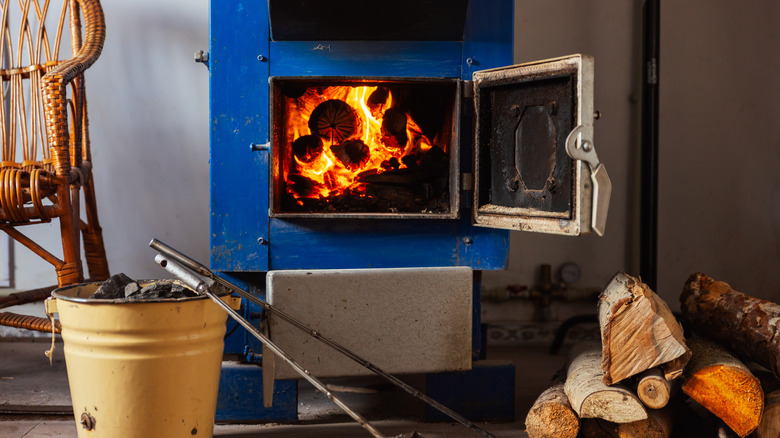
Having back up heat sources is always a good idea, especially for those who live in areas where power outages are a frequent occurrence. If your heat pump is out of commission due to damage from extreme weather conditions, you could use space heaters to keep your home at a reasonable temperature when the power comes back on. However, that could significantly increase your electricity bill. Off-grid solutions such as wood-fueled heating stoves are really great, as they require no electricity to operate. You just need access to plenty of wood for burning.
Another solution would be to purchase a dual-fuel system. This is a heat pump that is connected to a standard furnace. If, for whatever reason, the heat pump cannot perform, the furnace will kick on to provide heat. While this is a clever solution, it begs the question: Why not just stick with the furnace you already have?