

Add Mulch To The Soil Around These 17 Common Plants Before Winter & Thank Us Later
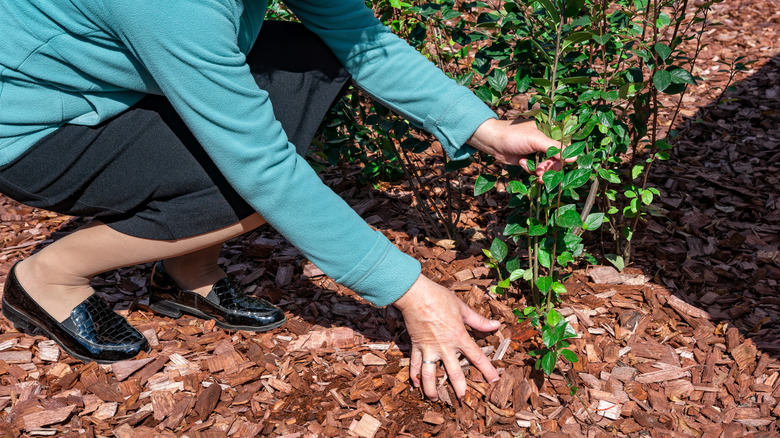
When the weather begins to cool in fall, you naturally stop thinking about your garden landscape. After all, there are no more fragrant flowers to sniff or colorful leaves to admire. But don't tuck those garden gloves away just yet. You don't have to spend hours out in your garden like you might in spring and summer, but you can do one thing — especially for certain plants — to ensure they come back with better vibrancy, appearance, and growth in spring. We're talking about investing in landscape mulch.
Mulch in the form of shredded bark, wood chips, pine straw, or even composted leaves is beneficial for your plants on multiple levels. It regulates soil temperature no matter what the outside weather is doing. It helps soil retain moisture, too. Mulch also helps you fight those pesky weeds, which will save you a lot of time and effort. It fights soil erosion and pests, and it looks good — on top of enhancing your overall soil structure. In harsh winters, mulch can also protect plants that are especially vulnerable to colder temperatures. So, here are 17 common plants that could use a little mulch before winter sets in.
Coral bells
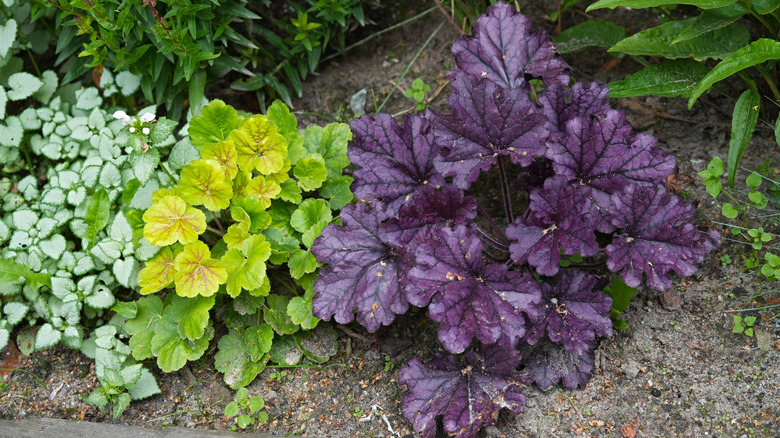
You may love coral bells (Heuchera spp.) for their vibrant foliage, which comes in shades including burgundy, lime, orange, and more. They thrive in well-drained, moist soils in USDA zones 3 to 9. These low-maintenance perennials not only adds year-round color to your garden, but also produce small, delicate flowers that emerge in early summer. To best protect the plant's roots, apply a layer of mulch, such as shredded leaves or bark, before winter. This also helps prevent your coral bells from being pushed out of the ground by freeze-thaw cycles.
Astilbes
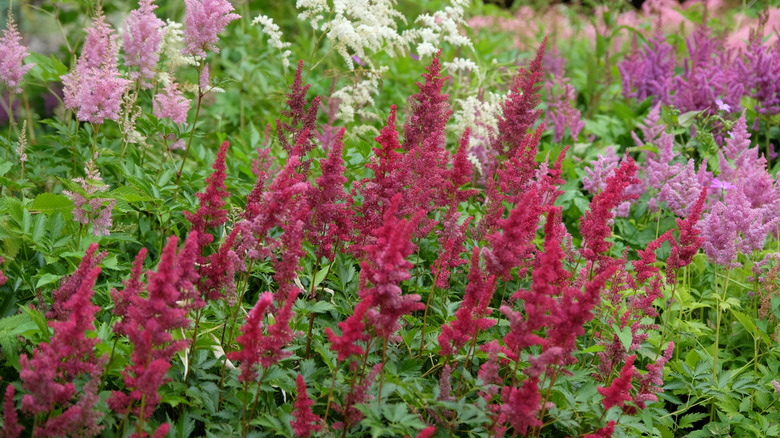
If you have a shade garden, you may grow astilbes (Astilbe spp.), which deliver airy plumes of pink, white, or red flowers and fern-like foliage. Hardy in USDA zones 4 to 8, astilbes thrive in moist, well-drained soil and bring a splash of color to dark corners of the garden. Mulching your astilbe plants in the fall locks in soil moisture and insulates their shallow roots from freeze-thaw cycle. This can also prevent summer scorch when temperatures heat back up.
Hostas
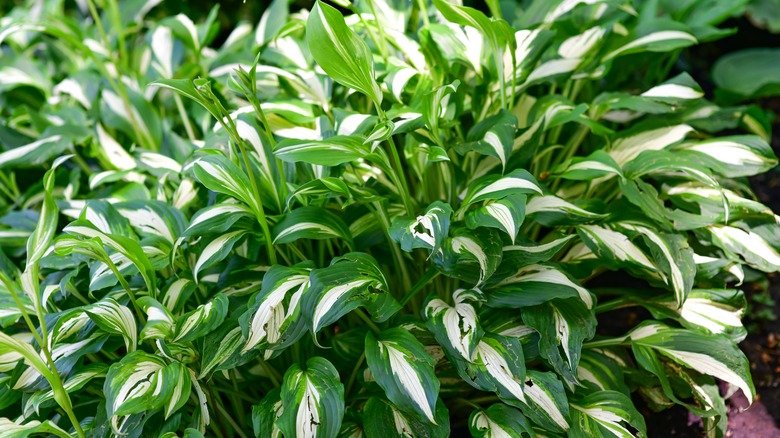
Hostas (Hosta spp.), which are hardy in USDA zones 3 to 8, bring lush, textured foliage in shades of green, blue, or white-striped variegation to the shade garden. These easygoing, clump-forming perennials bloom in midsummer with elegant spikes of purple or white flowers, and they reliably return year after year. As fall arrives, the leaves shift to shades of gold and orange; this is when you need to get to work. Pruning hostas after this time, then mulching them with 4 inches of shredded bark, protects their roots from winter's freeze and helps prevent crown heaving and pest problems. Clear the mulch from the stems before spring.
Heucherellas
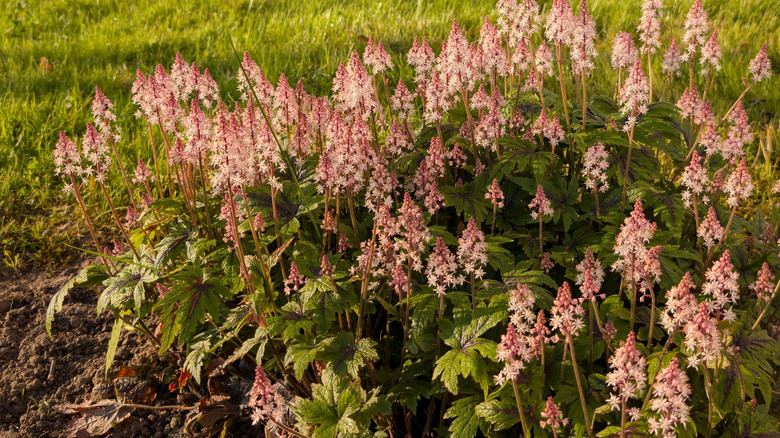
A charming hybrid between heucheras and tiarellas, heucherellas (Heucherella) are valued for their colorful, often variegated foliage and delicate flower spikes. Hardy in USDA zones 4 to 9, they thrive in part shade and well-drained soil. Adding a protective layer of 2 to 3 inches of shredded leaves or bark in fall protects roots from freezing temperatures and prevents frost heaving, ensuring healthier plants come spring. It's also wise to leave the foliage intact as natural insulation before applying mulch after the ground freezes.
Chives
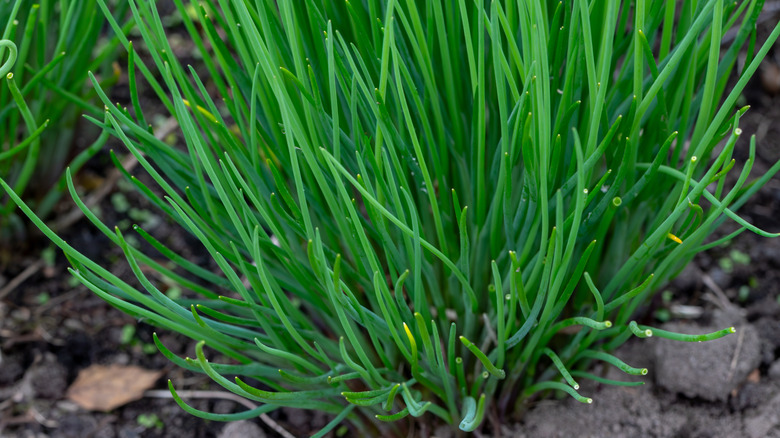
Chives (Allium schoenoprasum) are hardy, perennial herbs known for their bright green tubular leaves and mild onion flavor — they taste great chopped up and sprinkled on baked potatoes, baked fish, or salads. Chives prefer full sun and well-drained soil in USDA zones 3 through 9, making them a popular choice for any herb garden. Mulching chives in the fall with about 2 inches of shredded bark or wood chips protects the roots from winter freeze and temperature fluctuations, helping preserve the plant's health for spring regrowth. To prevent rot, avoid piling too much of the good stuff around the stem base.
Strawberries
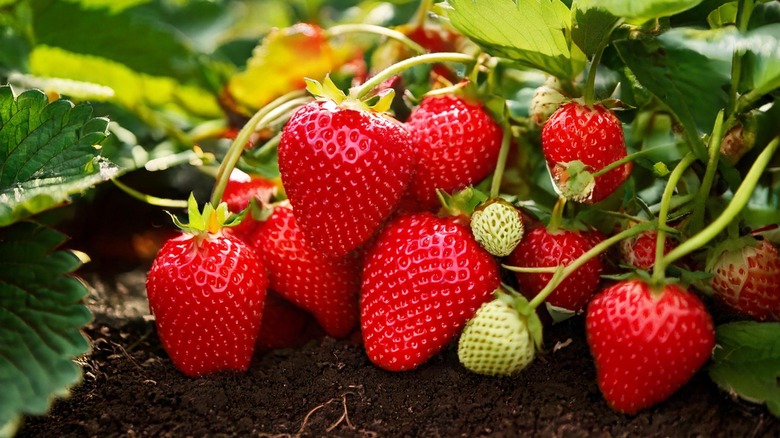
Strawberries (Fragaria spp.) are hardy, low-growing perennials celebrated for their sweet, red, and juicy fruit. Easy to grow, these ruby beauties can thrive anywhere from USDA zones 3 through 10, depending on the variety, and prefer well-drained, slightly acidic soil and full sun. Mulching strawberries in the fall with a thick layer of straw or pine needles protects their crowns and roots from harsh winter temperatures and any potential frost heaving. Gardeners often mulch after the first hard frost in early winter to give their strawberries a safe, cozy winter rest for a fruitful spring.
Boxwoods
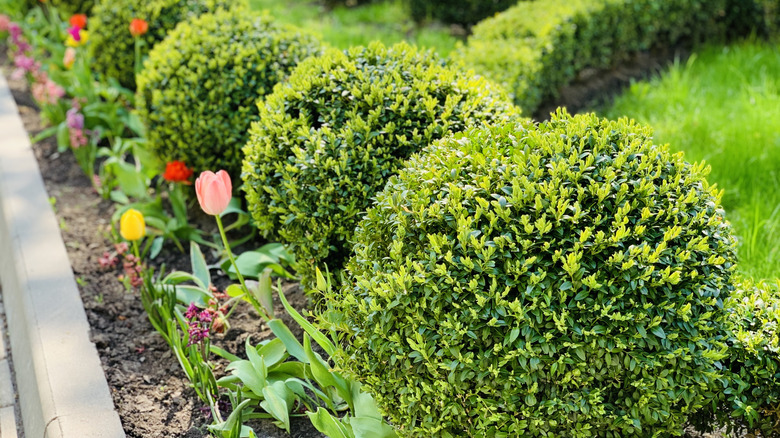
Gardeners prize boxwoods (Buxus spp.) for their dense, glossy foliage and versatility. Thriving in well-drained soil and partial shade in USDA zones 4 through 9, boxwoods are great as both hedges and foundation plantings. Mulching boxwoods in the fall with a 2 to 3-inch layer of fresh shredded bark or pine straw helps insulate their shallow roots from winter temperature swings, locks in soil moisture, and reduces freeze-thaw damage. Remove the prior year's mulch first to protect them from fungal infections. Also, be aware that boxwoods planted in full sun tend to lose moisture faster.
Rhododendrons
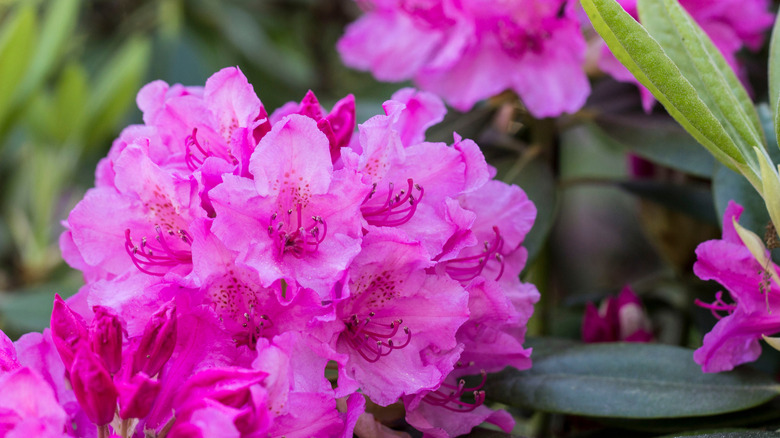
Rhododendrons (Rhododendron spp.) are shrubs with glossy leaves and large, bell-shaped blooms that burst with color in your garden, brightening up the whole area. Thriving best in USDA zones 3 to 8, these plants prefer well-drained, moist soil and partial shade, making them staples in woodland gardens. Mulching rhododendrons in fall can stop the roots from drying out by helping maintain a consistent soil moisture. A layer of organic mulch, like pine needles or shredded bark, can also help prevent unattractive brown leaves caused by winter burn.
Be warned, also, that some species of rhododendron are considered to be invasive in certain regions of the world — make sure to do your research before growing these plants in your garden.
Azaleas
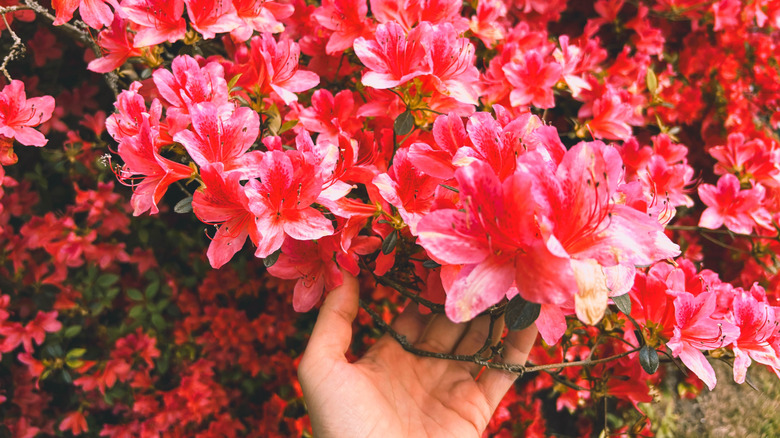
A close yet distinct relative of the rhododendron, azaleas (Rhododendron spp.) make a colorful and welcome addition to any garden. These plants prefer well-drained, moist soil and partial shade, and they're often used in woodland or foundation plantings in USDA zones 4 through 10. Mulching azaleas in the fall creates insulation for their shallow, touchy root systems, protecting them from harsh winter temperature swings and helping to retain important soil moisture. A layer of dried leaves or pine needles also helps prevent weed growth and even adds nutrients to the soil.
Dahlias
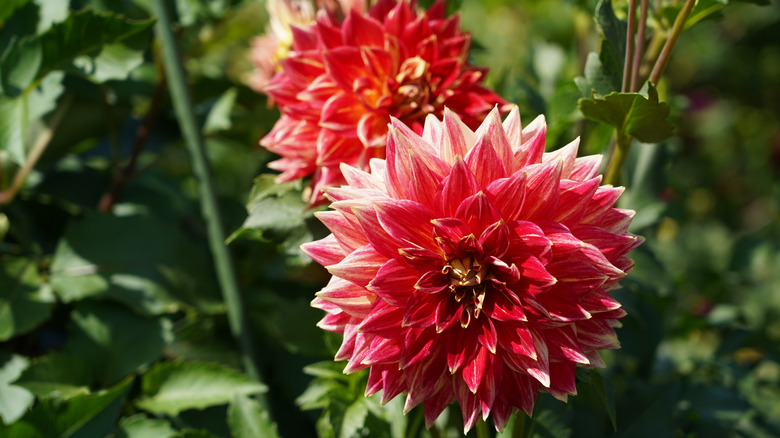
Dahlias (Dahlia spp.) are vibrant, tuberous perennials treasured for their dazzling blooms in every color imaginable. Hardy in USDA zones 8 to 10 and known for their show-stopping flowers, dahlias bring gorgeous hues to gardens all summer long — but they don't love the cooler weather. Luckily, you can overwinter dahlias in the ground in warmer locations with a thick, dry layer of mulch. This helps prevent the tubers from freezing temperatures and moisture fluctuations that might otherwise cause rot. In colder spots, dig the tubers out of the ground and store them inside for best protection.
Bigleaf hydrangeas
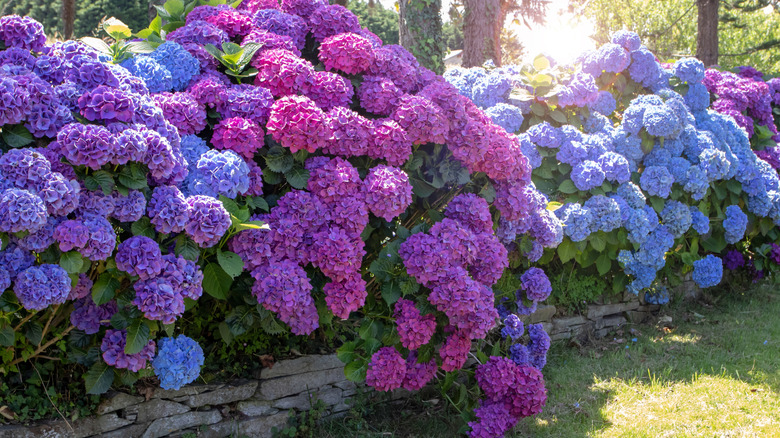
Pinks, blues, and violets reign as the main colors of the bigleaf hydrangea (Hydrangea macrophylla). Thriving best in USDA zones 6 to 9, these plants prefer moist, well-drained, organic-rich soil and add vibrant appeal to your garden through summer and fall. Mulching hydrangeas in the fall is crucial to help insulate roots from harsh, repetitive winter freezes and thaws, while retaining soil moisture. Apply a 6 to 8-inch layer of shredded bark mulch or pine straw after the ground freezes to prevent rot and pest issues.
Beets
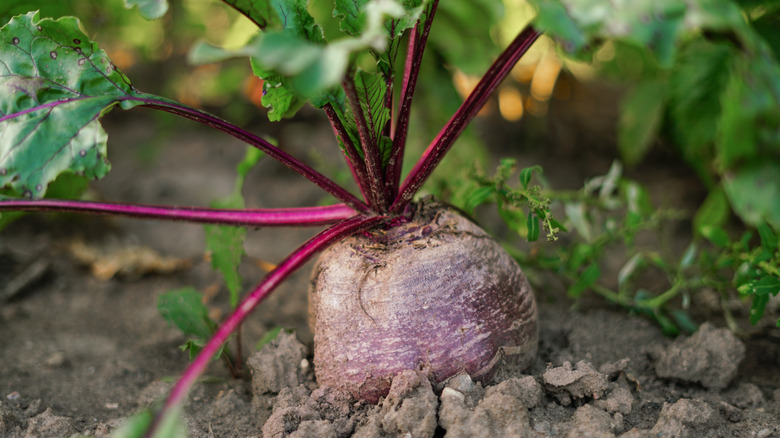
Beets (Beta vulgaris), one of the easiest vegetables to grow, are cool-season root vegetables known for their vibrant, earthy flavor and nutritious greens, which taste great roasted alone or added to salads. They grow best in full sun in USDA zones 2 through 11, and they prefer loose, well-drained soil that receives consistent moisture. Mulching beets with shredded leaves or pine straw in the fall helps make harvests last longer by shielding the plants from those frigid winter temperatures.
Carrots
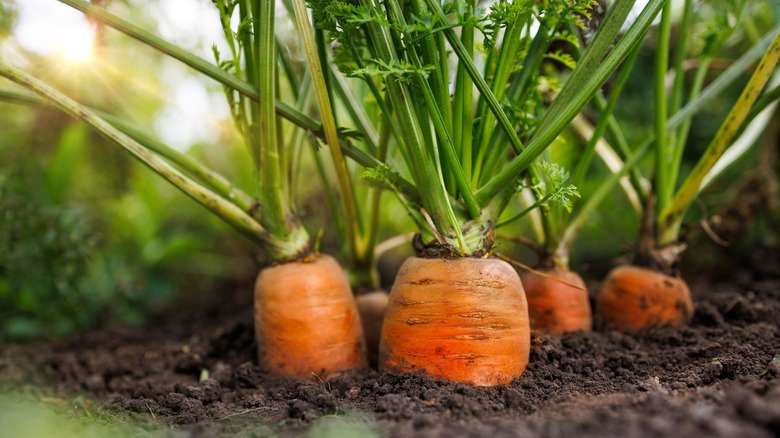
Carrots (Daucus carota subsp. sativus) are known for their sweet roots, which are full of rich nutrients. Thriving best in USDA zones 3 through 9 but growable basically anywhere, carrots prefer loose, well-drained soil and consistent moisture to encourage straight, tender roots. Mulching carrots in the fall helps insulate the soil, preventing excessive freezing and thawing cycles that can split roots or expose them to pests. A layer of straw or leaves keeps the ground cool and moist while extending the harvest season by protecting roots during winter.
Daylilies
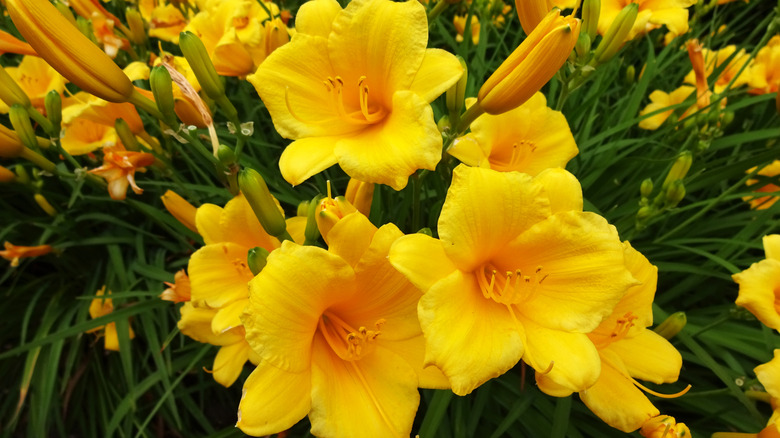
Daylilies (Hemerocallis spp.) are perennial bulbs admired for their fragrant, trumpet-shaped flowers, which will brighten any garden in USDA zones 3 through 9. These drought and heat-tolerant beauties thrive in well-drained soil and full sun. Adding shredded bark mulch in fall ensures moist soil through winter, which these flowers really like. If your daylilies are newly planted, add 4 to 6 inches for adequate cover and to prevent negative impacts from vicious freeze-and-thaw cycles.
Peonies
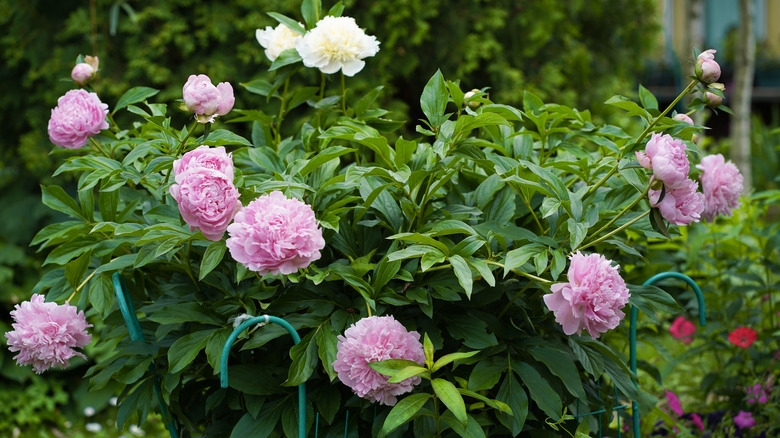
Big, fragrant blooms are desirable in any garden, and peonies (Paeonia spp.) always deliver. These long-lived, hardy perennials prefer full sun to partial shade and well-drained soil in USDA zones 3 through 9. They flower in late spring and early summer. Mulching peonies — especially newer plants — with bark, straw, or shredded leaves provides insulation that protects their shallow roots from harsh winter freezes and temperature fluctuations.
Roses
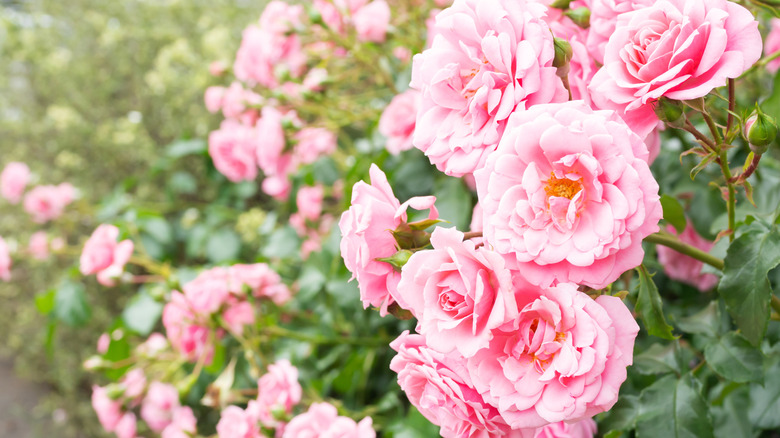
Sure, you can easily buy roses (Rosa spp.) as bouquets — but why not grow your own? Known for their fragrant blossoms and vibrant colors, these plants tend to do best in USDA zones 4 through 11. They need well-drained soil and at least six hours of sun daily and some wind blocking to flourish though. In addition to incorporating extra soil around the plant base, adding mulch in fall can prevent drenched soil, preserve moisture, and keep frost at bay.
Asparagus
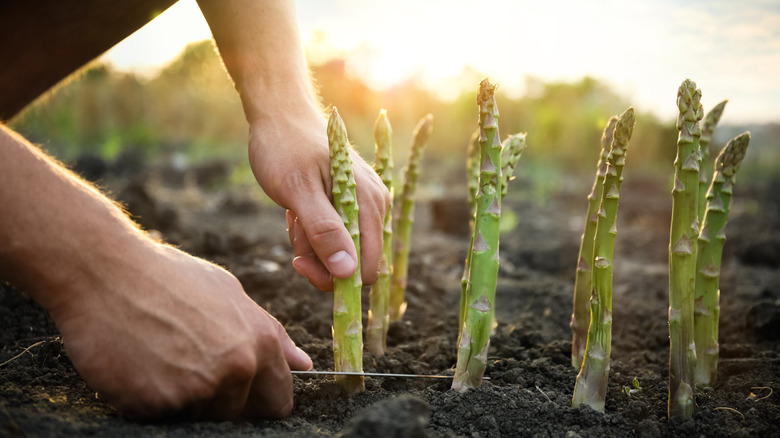
Asparagus (Asparagus spp.) is a perennial vegetable grown for its tender, flavorful shoots. The best asparagus harvests happen in well-drained soil and full sun in USDA zones 3 through 10. In fall, after the harvesting season, mulch these tall, fern-like plants with well-rotted manure or compost. This will protect the sensitive crowns from winter freezes and temperature fluctuations that could damage the plants, as well as insulate the roots.