

10 Common Trees You Should Be Pruning In Winter So They Flourish In Spring
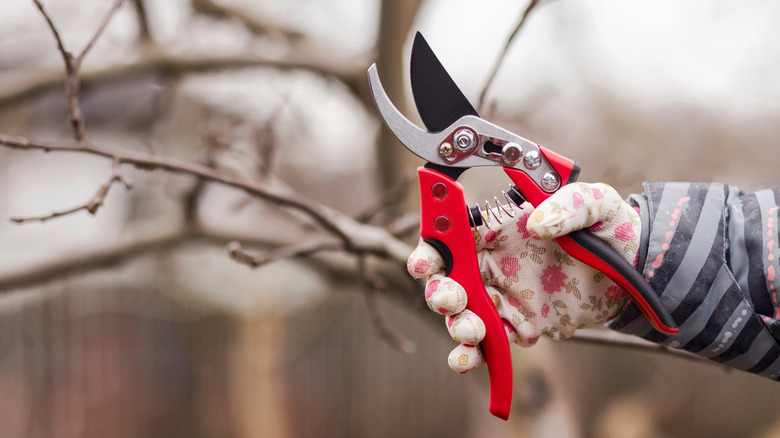
Whether you're using them for ornamental landscaping, growing fruit, creating shade, or all three, trees play an enormous role in the design of your yard. And you don't have to get exotic with your choices in order to create an interesting landscape. Indeed, common and native trees do an excellent job at providing depth, height, and color to your yard, and they're arguably more eco-friendly, too. As such, you'll want to make sure you're taking excellent care of them — and pruning your trees in winter will ensure that they flourish in the spring.
Pruning ensures long-lasting vitality for a tree. By removing unnecessary, dead, or sick branches, you open it up to air and light, allowing it to focus its energy on producing more leaves and fruit. The key to this practice, though, is knowing how and when to prune your trees. For example, all of the trees on this list greatly benefit from winter pruning. They go dormant during this period, meaning that they have dropped their leaves and stopped growing. The visibility of the branches and cold conditions are also ideal; you can see where to cut, and you don't have to worry about pests or diseases, thus giving each tree plenty of time to heal.
Apple
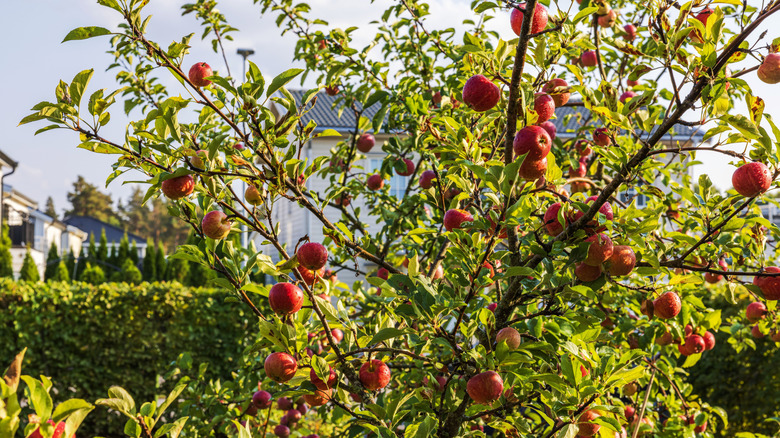
Apple trees (Malus spp.) can be grown almost anywhere in the country. With some varieties able to withstand the colder temperatures of USDA zone 3, they are hardy trees that, with the right care, will serve up delicious fruit for decades. Prune apple trees in late winter and prioritize removing branches that are diseased or damaged. Then, you can focus on getting rid of tangled growth, downward facing shoots, and any branches that have become wider than the base of the trunk. When the tree is young, you can also support and prune it using the espalier method, which yields eye-catching results.
Cherry
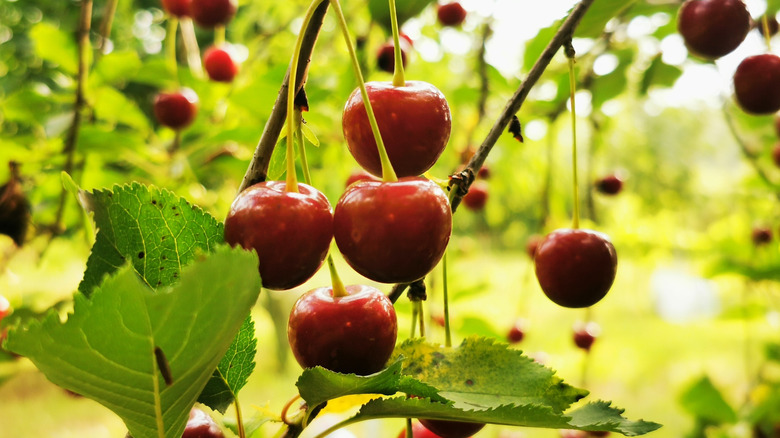
Known for their beautiful springtime blossoms and vibrantly colored, small stone fruits, cherry trees (Prunus spp.) make for a flavorful addition to any garden. Sour and sweet cherries can be grown between cold and warm climates, from hardiness zones 4 to 9 depending on the type.
Most pruning for cherry trees takes place when they are young and require shaping to encourage strong lateral branches. Once they're mature, you won't have to do much more than remove dead, damaged, or diseased branches, although you can also encourage future fruit growth by pruning the previous year's fruiting spurs. Either way, this will be easy to do when the leaves are on the ground.
Dogwood
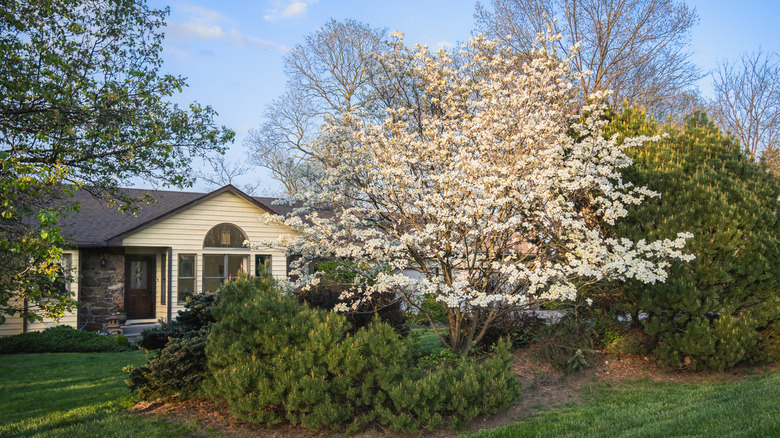
Flowering dogwood (Cornus florida) and kousa dogwood (Cornus kousa) are among the most popular varieties of dogwood to plant. Pruning dogwood trees is as much about maintaining size as it is health, as they can grow up to 25 feet high. Hardy between zones 5 and 9, dead or damaged branches should only be pruned in the winter. Dogwoods also have a tendency to bleed sap through openings when cut back in the spring — preventing this will help keep the tree from stressing out.
Quince
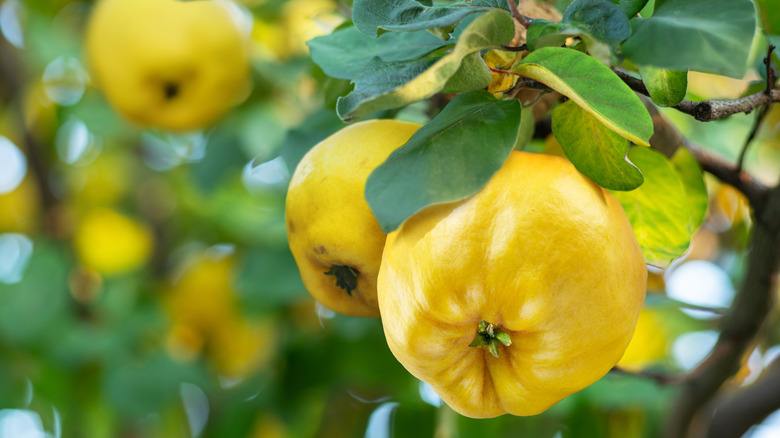
In terms of looks, the fruit of the quince tree (Cydonia oblonga) appears to be a cross between a lemon and an apple. The fruit itself is highly fragrant, very sweet, and has a wide variety of culinary uses. As such, it would be worth planting in your garden.
Pruning needs to occur early in the tree's life in order to encourage shape and support healthy fruit production. Once mature, prune lightly by removing diseased branches and keep the canopy open to airflow. Quince will grow in zones 5 to 9, with some varieties being cold hardy down to zone 4.
Maple
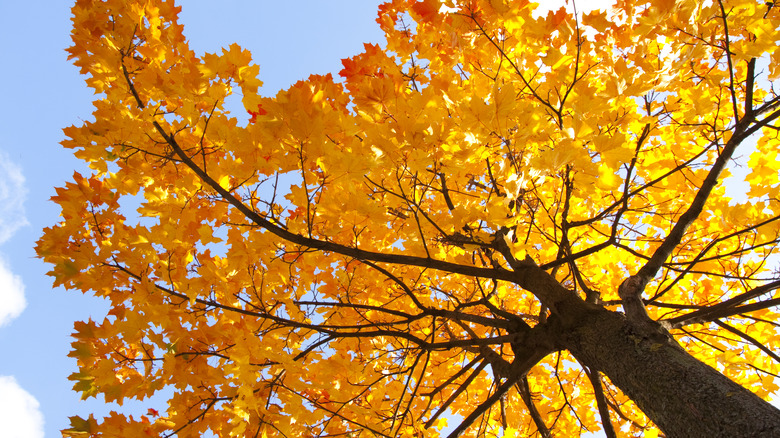
While red maples (Acer rubrum) and sugar maples (Acer saccharum) will grow to up to 50 feet with a 35-foot spread, there will be a period of several years when, as young trees, they are easy to prune without professional assistance. Pruning in winter is essential to prevent sap bleed, as the tree will still be dormant. Cut away crossing branches to maintain a balanced shape. This will keep these trees, which thrive in zones 3 to 9, very healthy — good news for anyone hoping to tap for syrup in the spring.
Elm
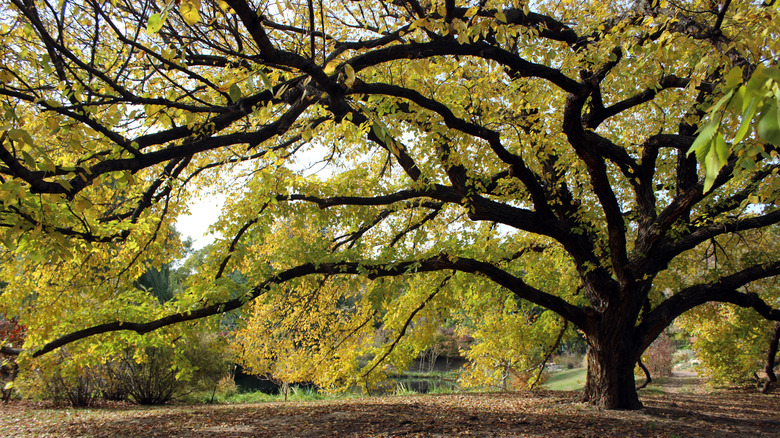
While the American elm (Ulmus americana) is one of the most at-risk trees in the United States, restoration efforts are underway to bring it back into the landscape. If you are lucky enough to have one planted in your yard, please do the tree the justice of pruning. Winter pruning will help repel the elm bark beetle, which causes Dutch elm disease, the primary killer of these magnificent trees. Since both the tree and bug are dormant during winter, the disease is much less likely to be spread. Pruning in the spring, however, will cause sap flow, which can attract these beetles.
Oak
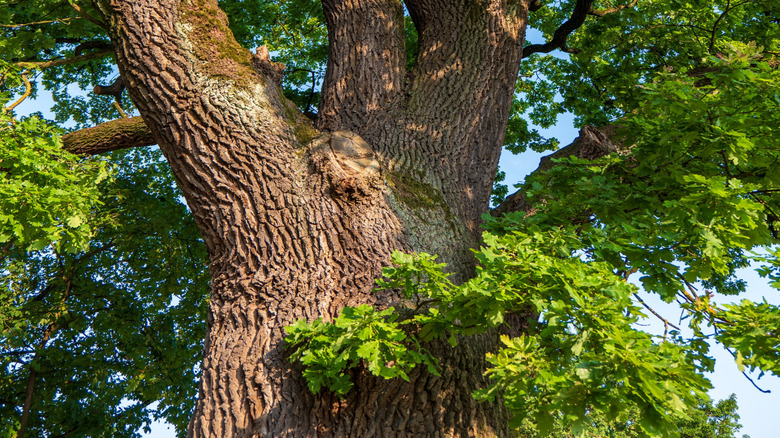
Oaks (Quercus spp.) are some of the strongest, most prolific trees in the United States. They will grow between zones 3 to 10 depending on variety, giving them a wide range.
All types of oaks should be pruned in winter to promote vigorous spring growth and reduce diseases such as oak wilt fungus, which is carried by insects. Remove both dead and crossing branches for better air circulation. Mature oak trees are enormous and will likely require professional care, but homeowners can prune young oak trees to encourage trunk strength and branch structure.
Peach
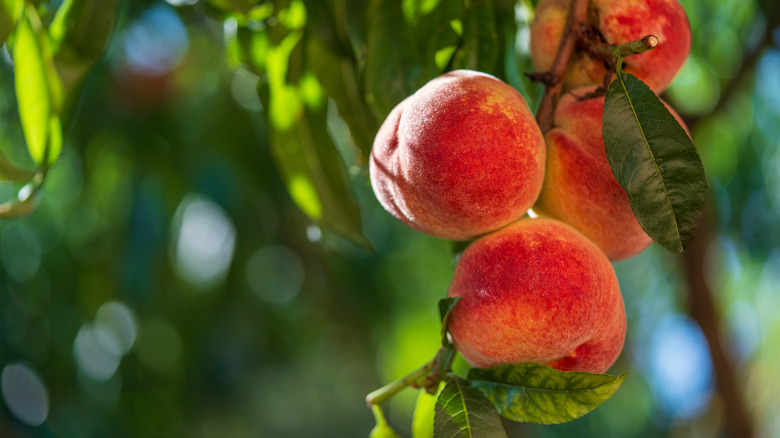
Like other fruit trees on this list, peaches (Prunus persica) pruned in winter will provide vigorous growth and fantastic fruit yield in spring. Late winter, after the last frost but while the tree is still dormant, is the best time to do this. The buds haven't formed yet, making damaged branches easier to see, and the cuts will heal a lot faster. Aim to remove any downward or crossing roots for a more open canopy, and remove all but the healthiest looking whorls. Peaches are hardy between zones 4 and 9.
Ash
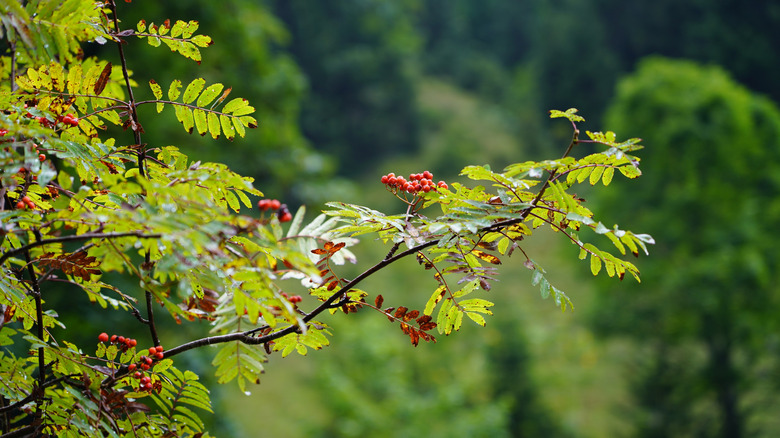
Aside from the normal reasons to prune your ash trees (Fraxinus spp.), pruning them back in the winter cues you into what might be going on with their health. Because the tree is dormant, it is much easier to inspect for potential damage. In particular, branches with S-shaped patterns cut into the bark will alert you to the presence of emerald ash borers. Pruning these branches in favor of healthy ones will help keep the tree species, which are hardy from zones 2 to 9, vibrant for years to come.
Ironwood
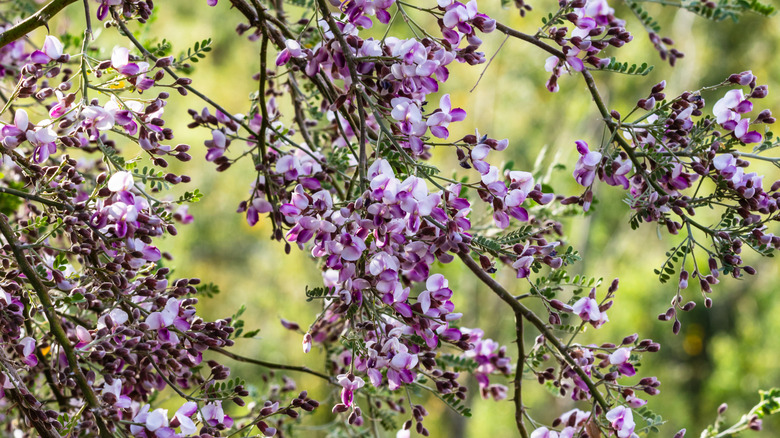
Whether you grow eastern ironwood (Ostrya virginiana) in the colder climate zone 3 or desert ironwood (Ostrya tesota) in the arid zone 11, you'll need to prune them during dormancy in the winter. This tough species of hardwood can be pruned heavily when young to establish shape and strength. After a few years, however, minimal pruning will be required. Indeed, once the tree reaches maturity, you will only need to prune it every three to five years to keep it healthy and shaped the way you want.